

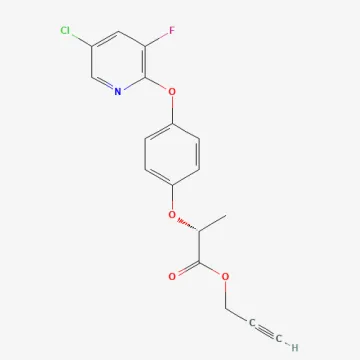
Active ingredient
Especially harmful
Clodinafop-propargyl
Description
Mode of action
Clodinafop-propargyl is a systemic post-emergence herbicide that belongs to the aryloxyphenoxypropionate chemical class, often referred to as fops.
The active ingredient functions by inhibiting the acetyl-CoA carboxylase (ACCase) enzyme, which is essential for fatty acid synthesis in grass weeds.
Once absorbed into the plant tissues, it effectively blocks the synthesis of lipids, leading to the inhibition of cell division and disruption of plant growth.
Symptoms of weed stress, including chlorosis and necrosis, typically appear within one week of application, with total mortality following shortly after.
The selectivity of this compound allows it to provide superior control of grassy weeds without harming the primary cereal crop when applied correctly.
What it targets
Clodinafop-propargyl is primarily used as a targeted grass herbicide (graminicide) for the management of annual grass weeds in cereal cultivation.
It is specifically highly effective against problematic species like wild oats, foxtails, barnyard grass, and blackgrass, which often compete with wheat crops.
The herbicide is widely recognized in professional agronomy for its reliability in cleaning cereal fields from aggressive grassy infestations.
- Wild oats (Avena spp.)
- Foxtails (Setaria spp.)
- Barnyard grass (Echinochloa crus-galli)
- Blackgrass (Alopecurus myosuroides)
It does not provide control over broadleaf weeds or sedges, which often necessitates the use of tank mixtures with other compatible herbicides.
Rates and timing
Application rates are typically adjusted based on the specific weed spectrum, growth stages of the target weeds, and environmental conditions at the time.
For the best efficacy, applications should target the early growth stages, specifically when grass weeds are between the two-leaf and tillering stage.
Applying the product too late when weeds have matured often results in reduced efficacy and may require higher rates or a reduction in weed control success.
Proper calibration of spraying equipment is essential to ensure a uniform distribution of the herbicide across the entire canopy of the target vegetation.
Environmental factors, such as temperature and plant vigor, can influence the uptake and translocation speed of the active ingredient within the plant.
Restrictions
Avoid application if the crop is under stress from adverse weather conditions, including drought, waterlogging, or severe pest and disease pressure.
Be cautious when tank-mixing with certain broadleaf herbicides, as some combinations may lead to antagonism and reduced efficacy against grass weeds.
Always follow the recommended safety protocols and use appropriate personal protective equipment (PPE) when handling and applying the chemical solution.
While the product is highly selective, excessive application or double spraying of the same area should be avoided to prevent crop phytotoxicity.
The active substance is generally non-persistent in the soil, allowing for flexible crop rotation strategies following the treated season.
Content graph
Connections · Clodinafop-propargyl
Most often together:
Marketplace