

Reference · Active ingredients
Herbicides
Herbicides are a diverse group of chemical substances designed to eliminate or suppress unwanted vegetation in agricultural settings. They are classified into two main categories: non-selective (total) herbicides, which affect all plant life, and selective herbicides, designed to target specific weed species without harming the primary crop.
369
items
What the section contains
 Lenacil
Производные урацила
15 products
Lenacil
Производные урацила
15 products
 Pyrimethanil
15 products
Pyrimethanil
15 products
 2,4-D dimethylamine salt
Производные феноксиуксусной кислоты
14 products
2,4-D dimethylamine salt
Производные феноксиуксусной кислоты
14 products
 Fluazinam
14 products
Fluazinam
14 products
 Proquinazid
14 products
Proquinazid
14 products
 Amidosulfuron
Производные сульфонилмочевины
13 products
Amidosulfuron
Производные сульфонилмочевины
13 products
 Dithianon
13 products
Dithianon
13 products
 Phosphorous acid
13 products
Phosphorous acid
13 products
 Sulfosulfuron
Производные сульфонилмочевины
13 products
Sulfosulfuron
Производные сульфонилмочевины
13 products
 Dicamba dimethylamine salt
Производные бензойной кислоты
12 products
Dicamba dimethylamine salt
Производные бензойной кислоты
12 products
 Fluopicolide
12 products
Fluopicolide
12 products
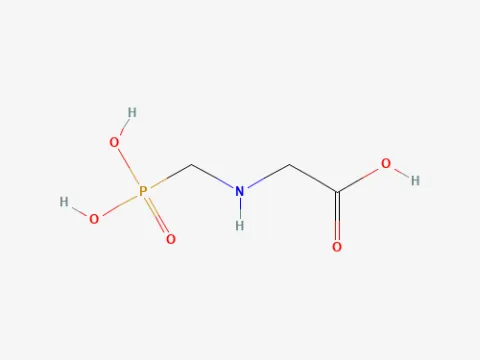
 Glycine
12 products
Glycine
12 products
 Prometryn
Триазины
12 products
Prometryn
Триазины
12 products
 Propaquizafop
12 products
Propaquizafop
12 products
 Spirodiclofen
Кетоенолы
12 products
Spirodiclofen
Кетоенолы
12 products
 Foramsulfuron
Производные сульфонилмочевины
11 products
Foramsulfuron
Производные сульфонилмочевины
11 products
 Lysine
11 products
Lysine
11 products
 Mepiquat chloride
11 products
Mepiquat chloride
11 products
 Piperonyl butoxide
11 products
Piperonyl butoxide
11 products
 Thiencarbazone-methyl
11 products
Thiencarbazone-methyl
11 products
 Penoxsulam
10 products
Penoxsulam
10 products
 Brodifacoum
Кумарин
9 products
Brodifacoum
Кумарин
9 products
 Chlorimuron-ethyl
Производные сульфонилмочевины
9 products
Chlorimuron-ethyl
Производные сульфонилмочевины
9 products
 Cyprosulfamide
9 products
Cyprosulfamide
9 products
 Dimethenamid-P
Хлорацетамиды (Производные аминокислот)
9 products
Dimethenamid-P
Хлорацетамиды (Производные аминокислот)
9 products
 Ethametsulfuron-methyl
9 products
Ethametsulfuron-methyl
9 products
 Fenpyroximate
Пиразолы
9 products
Fenpyroximate
Пиразолы
9 products
 Glyphosate potassium salt
Глифосат
9 products
Glyphosate potassium salt
Глифосат
9 products
 Isoxaflutole
9 products
Isoxaflutole
9 products
 Trifluralin
9 products
Trifluralin
9 products
 Bromoxynil
8 products
Bromoxynil
8 products
 Clofentezine
8 products
Clofentezine
8 products
 Isoxadifen-ethyl
8 products
Quinmerac
8 products
Isoxadifen-ethyl
8 products
Quinmerac
8 products
 Flubendiamide
7 products
Flubendiamide
7 products
 Metachlor
7 products
Metachlor
7 products
 Triasulfuron
7 products
Triasulfuron
7 products
 Aluminium phosphite
6 products
Aluminium phosphite
6 products
 Chloridazon
Производные пиперазина
6 products
Chloridazon
Производные пиперазина
6 products
 Chlorsulfuron
6 products
Chlorsulfuron
6 products
 Fenhexamid
6 products
Fenhexamid
6 products
 Flurochloridone
6 products
Flurochloridone
6 products
 Iron HEDTA
6 products
Iron HEDTA
6 products
 Chlorpropham
5 products
Chlorpropham
5 products
 Copper oxychloride
Медь содержащие
5 products
Copper oxychloride
Медь содержащие
5 products
 Pinoxaden
5 products
Triasulfuron
5 products
Alginates
4 products
Pinoxaden
5 products
Triasulfuron
5 products
Alginates
4 products
 Atrazine
Триазины
4 products
Atrazine
Триазины
4 products
 Bispyribac-sodium
4 products
Mineral oil
Нефтепродукты
4 products
Bispyribac-sodium
4 products
Mineral oil
Нефтепродукты
4 products
 Pyriproxyfen
4 products
Pyriproxyfen
4 products
 Quizalofop-P-ethyl
4 products
Quizalofop-P-ethyl
4 products
 Buprofezin
3 products
Buprofezin
3 products
 Fenazaquin
3 products
Fenazaquin
3 products
 Flucarbazone-sodium
3 products
Fluroxypyr-methyl
3 products
Flucarbazone-sodium
3 products
Fluroxypyr-methyl
3 products
 Isoproturon
3 products
Isoproturon
3 products
 Laminarin
3 products
Laminarin
3 products
 Metobromuron
3 products
Metobromuron
3 products
Marketplace
Products in this section · 12


Stomp 330
БАСФ Агро БВ, Швейцарія, на заводі , Франція,Італія (Сієна)
Herbicides
7
3
·
10.9K
38 offers
10.67 €per 1 l
Buy


Herbicides
The mechanism of action involves interfering with critical plant biological processes. Common targets include the inhibition of amino acid synthesis, disruption of photosynthesis, interference with cell division, or hormonal imbalances (such as synthetic auxin mimicry). Understanding these pathways is essential for selecting the appropriate product for specific weed challenges.
Systemic herbicides are absorbed by the plant (through leaves or roots) and translocated throughout the vascular system, reaching growing points to ensure complete control, including roots and rhizomes. Contact herbicides act strictly on the tissue they touch, making thorough and uniform application vital for effective results.
Many modern herbicides belong to sophisticated chemical classes such as sulfonylureas, triazines, glyphosate-based formulations, and phenoxy compounds. These chemicals are selected based on the specific agronomic requirement, whether it involves clearing a field before planting or managing weeds during the crop's active growing season.
The efficacy of herbicide treatments is significantly influenced by environmental factors such as ambient temperature, soil moisture, and pH levels of the spray water. Optimal application timing, coordinated with the weed's life cycle stage, ensures that the herbicide is metabolized by the target plant efficiently, leading to successful control and minimized stress on the environment.
Herbicides are primarily deployed to combat a wide spectrum of annual and perennial broadleaf weeds and grasses that threaten agricultural productivity. Common targets include aggressive weeds like quackgrass, sowthistle, common lambsquarters, pigweed, and ragweed, all of which compete fiercely with crops for resources.
These substances are utilized in major commercial crops, including wheat, corn, sunflowers, and soybeans. By targeting specific weed families while sparing the crop, herbicides help farmers maintain high yields and ensure efficient resource utilization across thousands of hectares.
Application rates are determined by the weed density, species composition, and the phenological stage of the target plants. These rates, measured in liters or kilograms per hectare, are specified in product labels and agronomic guidelines to ensure cost-effectiveness and maximize the success of the treatment.
Timing of application is a critical factor for success. Pre-emergence treatments are applied to soil to provide a protective barrier, while post-emergence applications are timed to coincide with the most vulnerable development stages of the weeds, typically during their early vegetative growth phase.
Strict adherence to environmental safety protocols is mandatory when handling herbicides. Applications must be avoided during high wind speeds to prevent spray drift onto sensitive neighboring crops, water bodies, or public areas. Operators must always use appropriate personal protective equipment (PPE) to minimize exposure risk.
Crop rotation restrictions must be carefully considered, as many persistent herbicides may leave residues in the soil. Farmers must account for the degradation period of the chemical to ensure that subsequent crops in the rotation are not harmed by carryover effects, which could negatively impact farm profitability.