Description
Mode of action
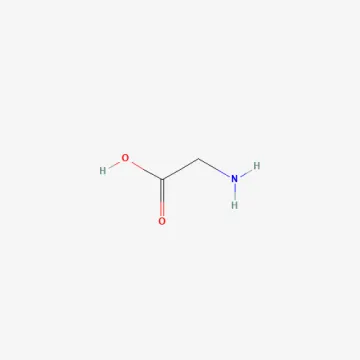
Glycine is the simplest amino acid, widely recognized in modern agronomy as a vital biostimulant and a powerful chelating agent. It acts as a fundamental building block for proteins and enzymes, driving essential metabolic processes within plant tissues.
The primary mechanism involves facilitating the synthesis of chlorophyll, which directly improves photosynthetic efficiency. By boosting light energy capture, glycine helps plants maintain growth even under low-light conditions or after recovery from physiological stress.
Glycine functions as an effective organic chelator, forming stable complexes with metal ions. This property ensures that essential micronutrients like iron, zinc, and copper penetrate the leaf cuticle more efficiently, preventing nutrient deficiency.
The substance activates internal plant defense pathways, enabling rapid recovery from abiotic stresses such as drought, frost, or herbicide-induced phytotoxicity. It essentially cushions the impact of environmental fluctuations on crop development.
By promoting root system development, glycine improves the plant's ability to uptake water and minerals from the soil. This enhancement translates into improved overall vigor and resilience against changing field conditions throughout the growing season.
What it targets
Glycine is suitable for a wide range of agricultural and horticultural crops, including cereals, oilseeds, vegetables, and fruit orchards. Its inclusion in tank mixes is highly recommended to improve the performance of plant protection products.
It is particularly effective at mitigating herbicide stress, allowing plants to resume normal growth after unintended exposure to chemicals. This makes it an essential tool for high-intensity crop production systems.
Vegetable crops grown in greenhouses benefit significantly from glycine application, as it helps plants overcome light deficits and improves the quality of produce. It is used to achieve uniform fruit development and higher yields.
In orchards and vineyards, glycine is used to boost overall plant immunity during spring wake-up and fruit formation stages. This contributes to better fruit quality, sugar content, and overall crop uniformity.
- Winter wheat for stress mitigation after herbicide applications.
- Greenhouse tomatoes for enhanced vegetative and generative growth.
- Apple and pear trees for improved spring adaptation.
- Oilseed rape for increased cold-stress resistance.
Rates and timing
Application rates typically range from 100 to 500 grams or milliliters per hectare, depending on the product concentration and the crop's developmental stage. Always follow the manufacturer's specific guidelines for precision.
The optimal application time is during early morning or late evening hours to avoid intense UV radiation and high temperatures. This ensures minimal evaporation and maximum leaf absorption of the solution.
Frequency of application usually ranges between 2 to 4 times per season. A 10 to 14-day interval between treatments is recommended to allow the plant sufficient time to assimilate the amino acids and express the biostimulant effect.
When preparing tank mixes, glycine should be added after fertilizers have fully dissolved to ensure solution stability. It is compatible with most standard agrochemicals, though a small-scale compatibility test is always recommended.
Storage should be in a cool, dry place away from direct sunlight, maintaining temperatures between 5 and 25 degrees Celsius. Proper storage preserves the biological activity and stability of the amino acid product.
Restrictions
Glycine is an environmentally friendly and non-toxic substance, posing no risk to humans, animals, or beneficial insects. No specific safety gear is required beyond standard handling practices for agrochemicals.
A primary limitation is potential incompatibility with highly alkaline substances or water sources with extreme pH levels, which may reduce the chelating effect. Always check the pH of the tank solution before mixing with other pesticides.
There is no pre-harvest interval (PHI) required for glycine, as it is a natural component of plant metabolic pathways. This allows for safe application at any stage of plant growth without risking residue issues in the final product.
In case of direct contact with skin or eyes, flush with plenty of water. While risks are minimal, wearing standard protective gloves is recommended during the preparation of working solutions as a best management practice.
Over-application should be avoided, as it can potentially lead to imbalanced vegetative growth at the expense of fruit production. Agronomists should always factor in the soil's nutrient status when planning the application strategy.
Content graph
Connections · Glycine
Most often together:
Marketplace
Products · 12