
Description
Mode of action
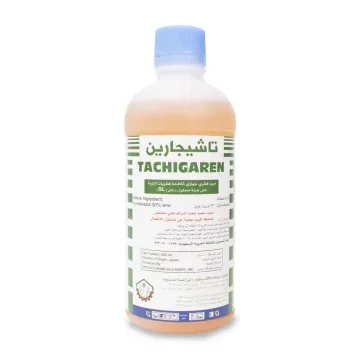
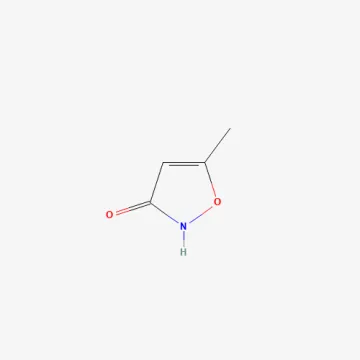
Hymexazol belongs to the isoxazole chemical class and acts as a systemic fungicide with both curative and preventive properties.
It is characterized by rapid uptake through plant roots, followed by acropetal translocation throughout the plant tissues, providing comprehensive protection.
The mode of action involves the inhibition of nucleic acid synthesis and respiratory processes within pathogenic fungi, effectively preventing mycelial growth.
Beyond its fungicidal properties, hymexazol is known to promote plant growth, specifically by stimulating the development of root hairs and improving root system vigor.
Its persistence in the soil allows for long-term protection, ensuring that seedlings remain healthy during the most vulnerable early growth stages.
What it targets
Hymexazol is primarily used to control soil-borne diseases, particularly those that cause damping-off in nursery seedlings.
It is highly effective against pathogens of the genera Pythium and Fusarium, which are major causes of root rot and vascular wilting.
The compound also shows efficacy against various fungi responsible for stem base rots and seedling blight in a variety of crops.
It is widely applied in the cultivation of vegetable crops such as tomatoes, cucumbers, and peppers, as well as in ornamental flower production.
In cereal production, it is often utilized as an active ingredient in seed treatment formulations to protect against early-season fungal infections.
Rates and timing
The application methods for hymexazol include seed coating, soil drenching, or incorporating the chemical directly into the growth substrate.
When used as a soil drench for seedlings, precise concentration management is essential to prevent potential phytotoxicity to sensitive young plants.
Application is most effective when performed at the time of sowing or during the transplanting phase to ensure protection throughout the establishment period.
The duration of protective activity varies depending on environmental conditions but generally provides a significant safety window for emerging plants.
Integrated pest management programs often include hymexazol to manage soil-borne disease pressure in intensive farming environments.
Restrictions
Operators must wear appropriate personal protective equipment, such as gloves, goggles, and respiratory masks, when handling the chemical.
Hymexazol should be kept away from water sources, as it can be harmful to aquatic life if allowed to contaminate ponds or streams.
Proper ventilation is required when applying the product in closed greenhouse structures to protect workers and prevent excess buildup of vapors.
Storage must be in a cool, dry, and secure location, strictly separated from food, animal feed, and items intended for human or animal consumption.
In case of accidental over-application or phytotoxic symptoms, flushing the soil with clean water can help reduce the concentration of the active ingredient.
Reference
Connections · Hymexazol
Most often together:
Marketplace
Products · 4

