
Racer
F.A.GAN Chemical Manufacturers Ltd. Israel, member
Herbicides
0
0
·
3K
11 offers
3.4 €per 1 l
Buy
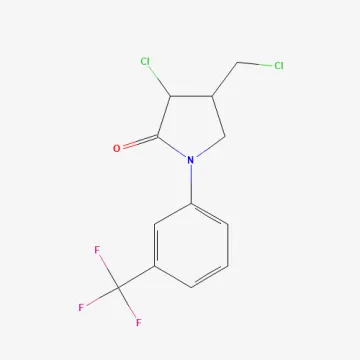
Flurochloridone belongs to the pyrrolidinone chemical class. It is a selective soil-applied herbicide that inhibits the biosynthesis of carotenoids in weeds.
The mechanism of action is based on blocking the phytoene desaturase enzyme. Consequently, the lack of carotenoids causes chlorophyll in young plant tissues to undergo photo-oxidative degradation under sunlight.
The visual effect manifests as characteristic bleaching or "albinism" of weed seedlings shortly after they emerge above the soil surface.
The active ingredient is absorbed by the plant primarily through the root system and the hypocotyl of germinating seeds during their development in the soil horizon.
The efficacy of the preparation directly depends on soil moisture levels and the availability of sufficient water to dissolve and activate the herbicide molecules.
The preparation effectively controls a wide spectrum of annual broadleaf weeds and some grasses germinating from seeds.
The target species include problematic weeds such as Amaranthus species, Chenopodium album, Solanum nigrum, Polygonum species, and Capsella bursa-pastoris.
Application of the product significantly reduces competitive pressure on agricultural crops during the critical phases of their early growth and development.
The herbicide is characterized by high selectivity, allowing crop protection without damaging the plant's root system or vegetative organs.
Dosage rates of flurochloridone vary depending on soil type, mechanical composition, and the potential weed infestation level of the specific field.
For light sandy soils, it is recommended to use minimum dosages, whereas in heavy loam or high-humus soils, the rate is increased to maintain biological effectiveness.
Application is carried out strictly before crop emergence. For sunflower and potatoes, standard treatment timing is immediately after sowing or planting until germination.
Thorough soil preparation is essential: the surface must be level and free of large clods to ensure a uniform distribution of the herbicide barrier.
Incorporation into the soil or inter-row cultivation immediately after application is prohibited as it disrupts the protective layer and reduces biological activity.
Flurochloridone provides a long residual protective effect; however, caution is required in crop rotation planning due to potential carry-over effects.
Using the product on soils with very low organic matter content is prohibited, as it increases the risk of phytotoxicity to crops.
When handling the herbicide, it is mandatory to use personal protective equipment for the respiratory tract, skin, and eyes to prevent irritation.
Grazing livestock on treated fields is strictly prohibited, and by-products such as foliage should not be used as animal feed during the current season.
Store the product in its original packaging in a cool, dry place, out of reach of children, animals, and away from food and feedstuffs.


