

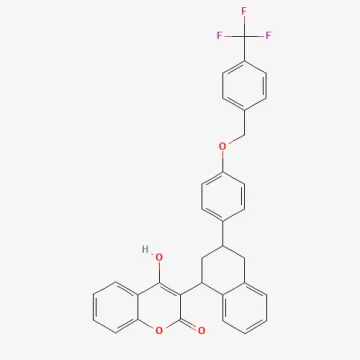
Description
Mode of action
Flocoumafen is a highly potent active ingredient belonging to the hydroxycoumarin derivative chemical class. It functions as a second-generation anticoagulant rodenticide designed for professional use.
The mechanism involves inhibiting the enzyme vitamin K epoxide reductase, which is essential for recycling vitamin K1. This leads to a severe disruption of blood clotting factors in the rodent's system.
Due to its high toxicity, a single feeding is often sufficient to deliver a lethal dose, which is significantly more effective than older anticoagulant substances.
Flocoumafen has a cumulative effect in the liver, leading to a delayed death, which prevents the development of bait shyness within the rodent population.
The chemical is known for its excellent stability, remaining effective in diverse environmental conditions and maintaining bait integrity over extended periods.
What it targets
Flocoumafen is primarily used to control infestations of synanthropic rodents, including rats and mice, which pose significant threats to agriculture and food security.
Common targets include the Norway rat, roof rat, house mouse, and various species of field rodents that invade storage facilities, barns, and warehouses.
It is specifically effective in environments where rodents have developed resistance to first-generation anticoagulants, making it a critical tool for professional pest management.
The substance is widely applied in livestock facilities, grain silos, and production sites to protect infrastructure and prevent the contamination of goods.
Its effectiveness makes it suitable for intensive cleanup programs in areas with high rodent densities, ensuring rapid population reduction.
Rates and timing
Flocoumafen is typically distributed in the form of ready-to-use baits, such as paraffin blocks, soft paste, or treated grains, for easy and safe application.
Application rates depend on the intensity of the infestation and the size of the area, with bait stations placed systematically along rodent runways and nesting sites.
Routine monitoring is essential to ensure that bait is replenished until rodent activity ceases, indicating effective control of the infestation.
The long-term stability of the active ingredient allows for strategic placement in bait stations that can be serviced over several weeks or months.
Professionals should calculate bait density based on site assessment, ensuring comprehensive coverage without over-application.
Restrictions
As a highly toxic substance, Flocoumafen poses significant risks to non-target species, including pets, livestock, and wildlife, necessitating strict control measures.
Baits must be secured within tamper-resistant bait stations to prevent accidental ingestion by children, pets, or non-target animals.
Usage near food preparation areas or open storage of animal feed must be strictly avoided to prevent cross-contamination.
Operators must wear appropriate personal protective equipment and wash hands thoroughly after handling the product to avoid direct dermal contact or ingestion.
In cases of accidental exposure, medical attention should be sought immediately, identifying the substance as an anticoagulant for proper antidote treatment with Vitamin K1.
Content graph
Connections · Flocoumafen
Most often together:
Marketplace
Products · 2
