

Rodenticide bait «RED KILLER»
Fanrong-Ukraine, LLC
Rodenticides
0
0
·
286
6 offers
1.66 €per 1 kg
Buy
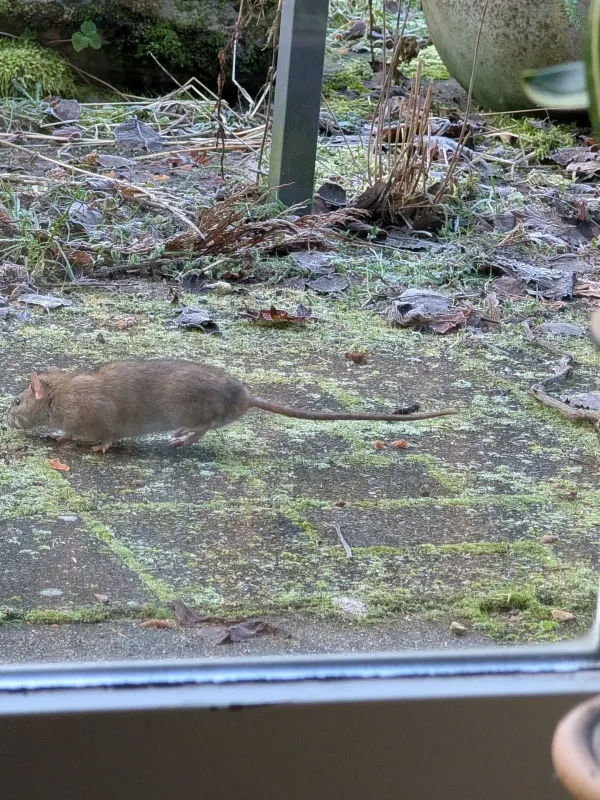
Rats (Rattus), belonging to the family Muridae, are among the most persistent agricultural pests globally. The brown rat and the black rat are the primary species that thrive in human-altered environments, such as farms and processing facilities.
Their biological success is attributed to their high reproductive rate and extreme behavioral flexibility. A single female can produce multiple litters per year, enabling a population to recover rapidly even after intensive extermination efforts.
Rats possess highly developed senses of hearing and smell, allowing them to navigate dark storage areas with ease. They are neophobic, meaning they are naturally cautious of new objects in their environment, which often makes trapping programs challenging.
Their incisor teeth grow continuously throughout their lives, requiring them to gnaw on hard materials to keep them filed. This trait makes them dangerous to farm infrastructure, as they frequently damage electrical wiring and structural components.
They operate primarily at night, following established pathways. Understanding these habitual routes is essential for successful pest management and the strategic placement of control devices.
Rats cause substantial economic losses by consuming stored grain, seeds, and animal feed. Beyond direct consumption, they contaminate much larger quantities of food with urine, droppings, and hair, leading to widespread spoilage.
In field conditions, rats target crops such as corn, sunflowers, and cereals. They may gnaw through stems or excavate seeds shortly after planting, resulting in thin, uneven stands and reduced overall yields.
In livestock settings, rats pose a health risk to poultry and small animals, sometimes attacking young animals. Furthermore, they are significant vectors for zoonotic diseases, including leptospirosis and salmonellosis, which threaten both herd health and human safety.
Structural damage is another major concern; rats frequently destroy insulation, packaging materials, and electrical systems. Such damage often leads to equipment failure, costly repairs, and an increased risk of electrical fires in barns and warehouses.
The most reliable sign of a rat infestation is the presence of gnaw marks. Due to their strong teeth, they leave deep, noticeable gouges on wooden beams, plastic conduits, and even soft metal sheets in storage areas.
Droppings are a clear indicator of a rat presence. Their scat is spindle-shaped and larger than that of mice, often found concentrated along wall lines, near food sources, or along their frequent travel routes.
Rat burrows, identifiable by circular holes in the ground or under building foundations, signal an established colony. These burrows are often accompanied by piles of displaced soil and are situated near reliable food supplies.
Smudge marks, created by the dirt and oils from their fur, often appear along walls and pipes where rats repeatedly travel. These "rat runs" become visible over time as the paths are polished by their continuous movement.
Hearing scratching or squeaking noises within walls or ceiling spaces at night, combined with the presence of spilled grain near bags that appear to have been chewed open, are classic signs of a significant active infestation.
An effective rodent management program relies on integrated pest management (IPM). This includes strict sanitation practices to remove food and water sources, such as keeping grain containers tightly sealed and areas free of debris.
Rodenticides (anticoagulants) are the industry standard for reducing large populations. These substances work slowly, which prevents the remaining colony members from associating the bait with illness, ensuring high efficacy.
Mechanical traps, such as snap traps and multi-catch boxes, are valuable in areas where chemical use is restricted or for monitoring purposes. They should be placed along established runways for best results.
Exclusion is the most sustainable long-term solution. This involves proofing buildings by sealing cracks in foundations, installing door sweeps, and using metal mesh to cover vents and other potential entry points for rodents.
Continuous monitoring is vital. Large-scale operations should employ professional pest control services to ensure compliance with food safety standards and to maintain a defensive perimeter against incoming rat populations.


No discussions yet — be the first.