
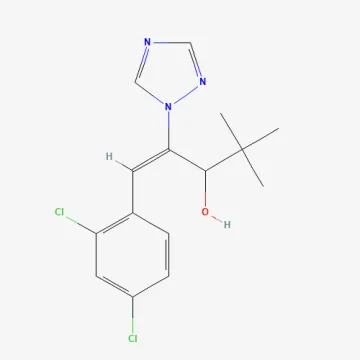
Description
Mode of action
Diniconazole belongs to the triazole chemical class and functions as a broad-spectrum systemic fungicide used primarily in seed treatment applications.
The mode of action involves the inhibition of ergosterol biosynthesis, a crucial component for the structural integrity of fungal cell membranes.
By interfering with these metabolic processes, the substance effectively stops mycelial growth and spore germination, leading to the collapse of the pathogen.
The systemic properties allow the compound to be translocated within the plant tissues, providing prolonged protection against seedling diseases.
Furthermore, diniconazole exhibits growth-regulating activity, often helping to develop a stronger root system during the early stages of plant growth.
What it targets
Diniconazole is extensively used to protect a variety of crops, including cereals, vegetables, and specialty technical crops, from seed-borne infections.
It is highly effective against various smut diseases, including loose and covered smuts, which cause significant yield losses if left untreated.
The compound plays a critical role in managing Fusarium root rots, Helminthosporium infections, and various types of seed decay and seedling blight.
It also provides excellent control over pathogens such as Septoria species that can be transmitted via infected seed lots.
Using this active ingredient ensures a healthy start for seedlings by creating a chemical barrier against soil-borne inoculum.
Rates and timing
The application rate for diniconazole is determined based on the specific crop type, intended use, and the level of pathogen pressure expected.
Proper calibration of seed treatment equipment is essential to ensure that each seed receives a uniform distribution of the fungicide.
The treatment is usually applied just before sowing, ensuring the coating adheres correctly to the seed surface.
Recommended dosages typically range from a few hundred milliliters per ton of seed, depending on the formulation concentration.
Always consult the product label or local agronomic guidelines to determine the most effective dosage for your specific agricultural conditions.
Restrictions
Handling diniconazole requires strict adherence to safety protocols, including the use of protective gloves, respirators, and eye protection.
Avoid any contact with water sources, as the active ingredient can be toxic to aquatic life and contaminate sensitive ecosystems.
Ensure that all treated seed is clearly marked and stored securely, keeping it far away from food and feedstuffs to prevent accidental ingestion.
Waste from cleaning equipment should be disposed of according to local environmental regulations to minimize the risk of soil contamination.
Store the product in its original, sealed container in a cool, dry place, keeping it away from unauthorized personnel and children.
Content graph
Connections · Diniconazole
Most often together:
Marketplace
Products · 2
