

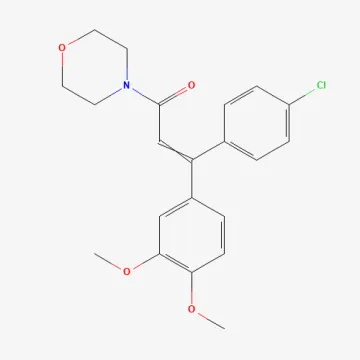
Description
Mode of action
Dimethomorph belongs to the chemical class of morpholine derivatives and is a specialized fungicide used to control oomycete-class fungi.
The mechanism of action involves inhibiting the formation of the pathogen cell wall during the oospore and mycelium stages.
The active substance suppresses enzymes responsible for cellulose synthesis, which leads to irreversible structural damage to the fungal cells.
The product exhibits translaminar and locally systemic properties, allowing effective penetration into leaf tissues to protect even untreated parts of the plant.
High efficiency is observed against zoospores and mycelium, enabling its use for both preventive treatments and early signs of infection.
What it targets
The primary application spectrum includes protecting crops from a wide range of oomycete pathogens that cause rots and spots.
It is most effective against late blight on solanaceous crops, such as potatoes and tomatoes.
It is used to combat downy mildew (peronospora) on grapes, onions, cucumbers, and other greenhouse or open-field vegetables.
It suppresses the development of downy mildew pathogens, providing reliable protection for foliage and reproductive plant parts.
- Late blight of potatoes and tomatoes.
- Downy mildew of cucumbers and onions.
- Grapevine downy mildew.
Rates and timing
Application rates vary depending on the crop, the severity of the infection, and the climatic conditions of the growing region.
Usually, working solutions are prepared according to specific product guidelines for formulations containing dimethomorph, often mixed with contact fungicides.
Treatments are recommended during periods of active growth, when the risk of epiphytotics is at its highest.
The interval between sprays ranges from 7 to 14 days, depending on the speed of vegetative growth and weather factors.
It is crucial to ensure uniform coverage of all plant parts with the working solution, including the underside of leaves where sporulation typically occurs.
Restrictions
There is a risk of pathogen resistance, so it is recommended to rotate dimethomorph with fungicides from different chemical groups.
The maximum number of seasonal applications specified by the manufacturer must not be exceeded.
The product requires strict adherence to safety protocols when handling pesticides, including the use of personal protective equipment.
Prevent runoff into water bodies due to potential toxicity to aquatic organisms.
Equipment must be checked before application to ensure precise dosage and to prevent drift to adjacent fields.
Regulatory
Status in the European Union
Not approved in the EU
- CAS number
- 110488-70-5
- Approved from
- 01.10.2007
- Approval until
- 20.05.2024
- ADI
- 0.05 mg/kg bw/day
- ARfD
- 0.6 mg/kg bw
- AOEL
- 0.15 mg/kg bw/day
Hazard classification (CLP)
Aquatic Chronic 2 - H411Repr. 1B - H360F
EU legislation
EU status is for reference only and does not replace national registration in your country.
Content graph
Connections · Dimethomorph
Most often together:
Marketplace
Products · 31
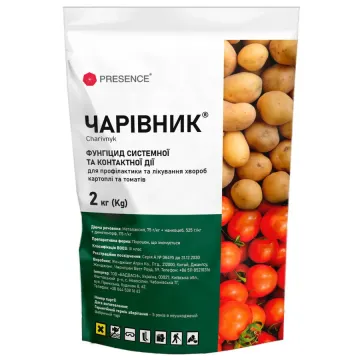

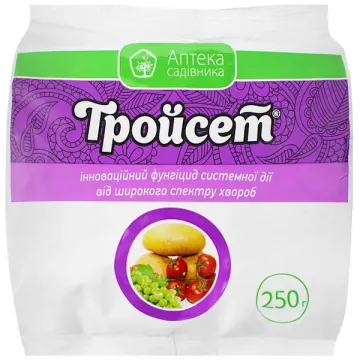
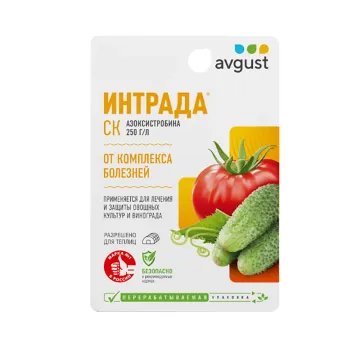


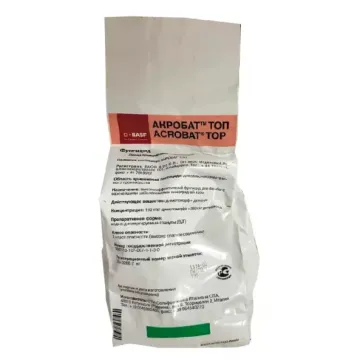
Acrobat Top
БАСФ Агро БВ, Швейцарія, на заводі , Франція,Італія (Сієна)
Fungicides
0
0
·
65
3 offers
4.37 €per 1 l
Buy


Orvego
БАСФ Агро БВ, Швейцарія, на заводі , Франція,Італія (Сієна)
Fungicides
0
0
·
44
1 offer
30.3 €per 1 l
Buy


