
Plant Selection Methods - from Feminized Seeds to Disease-Resistant Varieties
Imagine holding a seed that will grow into a plant with ideal characteristics - disease resistance, high yield, or even a unique aroma.
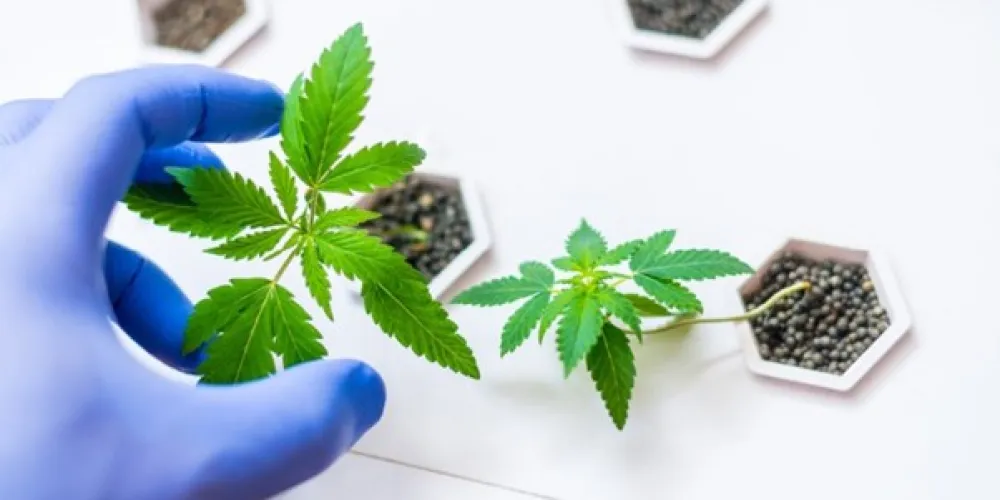
Imagine holding a seed that will grow into a plant with ideal characteristics - disease resistance, high yield, or even a unique aroma. How to achieve this? The secret lies in plant breeding, an art perfected over centuries.
Have you ever wondered why some seeds are called feminized? This is not just a marketing trick. Feminized marijuana seeds guarantee that only female plants will grow from them, prized for their high yield and quality.
Their creation begins with careful selection. Breeders choose the strongest female plants and induce stress in them - for example, using special chemicals such as colloidal silver. This causes the plant to produce pollen, which is then used to pollinate other female plants. The result is seeds that will, with 99% probability, produce female individuals. This method requires precision, as mistakes can lead to hermaphrodites, which is undesirable for most growers. It is important to note that in many countries, growing such plants is illegal, so always check local laws!
Resistant Varieties
Creating resistant varieties is like preparing a super-soldier for the plant world. Such varieties can withstand diseases, pests, and even drought.
It all starts with genetic diversity. Scientists select plants with desired traits - for example, resistance to fungi or ability to grow in harsh conditions. Then they crossbreed these plants to combine the best qualities. This can take years, as each generation is tested in field conditions. Sometimes genetic engineering methods are used, but most often it's classical breeding - painstaking work requiring patience.
For example, to develop a drought-resistant variety, breeders may use plants from arid regions, gradually improving their characteristics. Such varieties not only ease the lives of farmers but also help conserve resources.
The Future of Breeding
New technologies, such as CRISPR, allow for precise gene editing, creating plants with ideal traits.
But this is not only about high-tech solutions. Breeders continue to use traditional methods, combining them with modern techniques. For example, they study wild plant species to find genes that will help cultivated varieties better cope with climate change.
This is especially important today, as weather becomes increasingly unpredictable. At the same time, breeding is becoming more eco-friendly - scientists strive to reduce chemical and water usage. If you're interested in growing plants, keep an eye on new developments in this field - https://coffeeshop.ua/seed-shop, soon we may see varieties that will revolutionize our understanding of gardening!
Editorial team agronom.info
Materials are prepared by the portal's agronomists and editors. We use only trusted sources: Ukrainian agricultural universities, variety registries, open scientific publications.
Related articles
Not yet comments. Be the first!
Comments · 0