
Corn Seed for Silage: Optimal Choice and Its Advantages
Growing corn for silage plays a key role in providing quality feed for livestock.
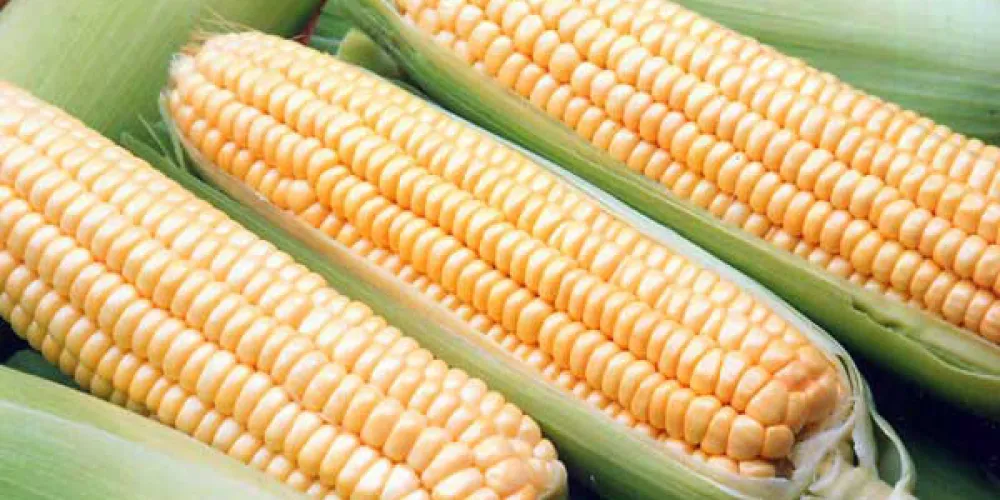
Growing corn for silage plays a key role in providing quality feed for livestock. Choosing the optimal corn seed is an important stage in this process, which determines the quality and yield. Let's consider the factors of selection and the advantages of the right seed for growing corn for silage.
Adaptability to Regional Conditions
It is important to choose seed adapted to the specific climatic and soil conditions of the region. This ensures optimal growth and development of the crop, as well as maximum yield.
High genetic potential of the seed is a key factor for achieving high yield and quality. Modern hybrids often have improved genetic characteristics, such as resistance to diseases, efficient water use, and high yield.
Select seed with resistance to pests and diseases to minimize the risk of crop loss. High resistance ensures stable cultivation and increases productivity.
Consider the technological features of the seed, such as compatibility with different types of fertilizers, adaptability to modern soil treatment technologies, and improved cultivation methods.
Yield and Silage Quality
The main goal of growing corn for silage is to obtain high yield and quality feed for livestock. Optimal seed contributes to increased yield and improved quality.
The planting time for corn for silage depends on specific climatic conditions and regional characteristics. However, some general recommendations may serve as a guide.
-
Soil temperature: planting corn is recommended when soil temperature is not below 10-12 degrees Celsius. It is important that the soil has already warmed to facilitate rapid seed germination.
-
Last spring frost: consider the possibility of late spring frosts, especially in colder regions. It is important that after planting there are no significant temperature drops that could harm young plants.
-
Plan ahead: plan the planting so that corn reaches the silage stage during the optimal period for harvesting. This will help ensure high quality and yield.
-
Consider regional recommendations: consult local agricultural experts or agronomists, as regional conditions may significantly affect optimal planting times.
-
Planting distance: it is important to follow recommended planting distances to ensure optimal crop development and avoid competition between plants.
Note that specific recommendations may vary depending on your local conditions. For accurate advice and recommendations, it is best to consult local agricultural experts or agronomists.
By choosing corn seed for silage taking into account all the above factors, you will ensure optimal growing conditions for the crop and obtain high-quality silage for animal feeding.
Editorial team agronom.info
Materials are prepared by the portal's agronomists and editors. We use only trusted sources: Ukrainian agricultural universities, variety registries, open scientific publications.
Related articles
Not yet comments. Be the first!
Comments · 0