
Basics of Corn Seed
Corn is one of the most important agricultural crops in the world, used both in the food industry and in agronomy. Corn seed has many varieties, each with its own unique characteristics and purpose, including grain, silage, and specialized varieties…
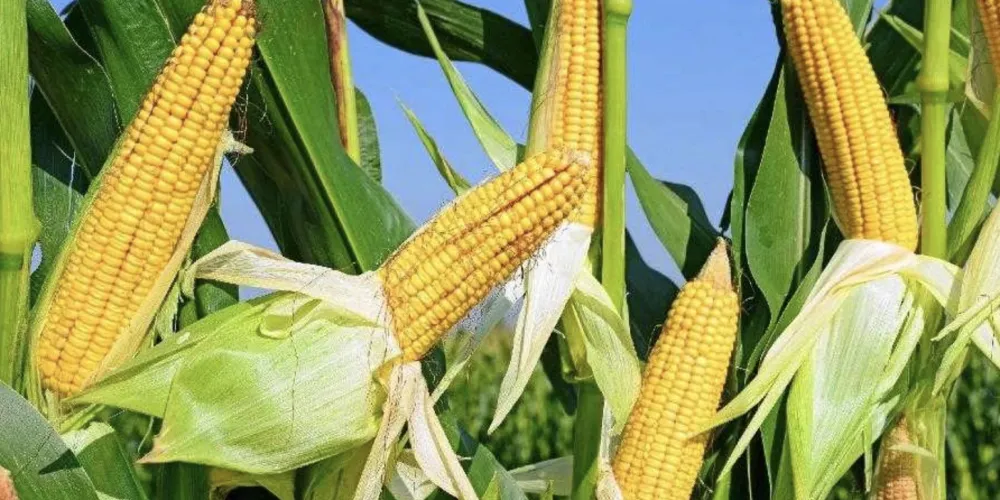
Corn — one of the most important agricultural crops in the world, used both in the food industry and in agronomy. Corn seed has many varieties, each with its own unique characteristics and purpose, including grain, silage, and specialized varieties for popcorn production.
Variety of varieties:
- Grain varieties: Intended for producing corn kernels, used in food and as animal feed.
- Silage varieties: Grown for obtaining green mass for cattle feed.
- Specialized varieties: Include corn for popcorn and other niche varieties.
Each variety has its own agronomic requirements, including growing conditions, disease and pest resistance, as well as climatic advantages. It is important to choose seed that best suits local growing conditions to ensure optimal crop development and yield.
Choosing and purchasing corn seed
Purchasing corn seed is a key step to ensure successful crop cultivation. Seed quality directly affects crop yield and plant health. Here are several important factors to consider when selecting seed:
Criteria for seed selection:
- Certification and origin: Choose certified seed from reliable producers. Certification ensures that the seed has undergone strict quality control and meets variety standards.
- Resistance to growing conditions: The chosen variety should match the climatic conditions and soil characteristics of the region. Some varieties are better adapted to dry conditions, others — to moist ones.
- Resistance to diseases and pests: Prefer varieties with natural resistance to local diseases and pests.
- Growing requirements: The seed should match your technological capabilities, such as requirements for field treatment type and water resource availability.
Sources of purchase:
- Specialized agricultural stores: These stores often offer a wide range of seed and provide expert consultations.
- Online platforms: A convenient way to purchase, where you can compare different varieties and prices, as well as read reviews from other farmers.
- Local seed producers and farms: Purchasing seed directly from local producers can ensure high freshness and adaptation of varieties to local conditions.
Careful selection of corn seed allows optimizing future yield and minimizing risks associated with cultivation.
Planting and caring for corn
After purchasing quality seed, the next step is effective planting and proper care for corn to ensure optimal growth and yield. This process includes several important stages that will help maximize crop potential.
Soil preparation:
- Before planting, it is important to ensure proper field preparation. The soil must be thoroughly worked to ensure adequate drainage and aeration, which is critically important for corn's root system.
- It is recommended to conduct a soil analysis to determine nutrient levels and appropriately adjust fertilizer application.
Optimal planting times and techniques:
- The exact planting time depends on regional climatic conditions. Corn is typically planted after the soil temperature has stabilized above 10°C.
- Planting depth should be around 5-8 cm, depending on soil type and moisture.
Irrigation and fertilization:
- Corn requires regular watering, especially during the vegetative stage and ear formation. Excess water can lead to root rot, so proper drainage is essential.
- Fertilizer application should be planned according to soil analysis results. Nitrogen is the primary element required for corn growth, but phosphorus and potassium are also important.
Protection from pests and diseases:
- Regular field inspections will help detect signs of pest or disease damage at an early stage. Using integrated pest management methods, including mechanical removal of pests, biological methods, and chemical protection, can reduce the risk of damage.
Following these recommendations will help ensure healthy corn growth and development, optimizing yield and grain quality. It is important to remember that caring for corn requires attention and regular monitoring to promptly address any potential problems.
Editorial team agronom.info
Materials are prepared by the portal's agronomists and editors. We use only trusted sources: Ukrainian agricultural universities, variety registries, open scientific publications.
Related articles
Not yet comments. Be the first!
Comments · 0