
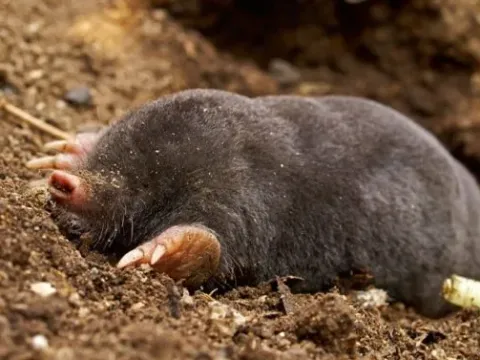
Blind mole shrew
Talpa caeca
The blind mole shrew (Latin: Talpa caeca) is a small mammal belonging to the order Eulipotyphla and the family Talpidae. It is characterized by its small size and eyes that are completely covered by skin.
What the section contains
Blind mole shrew
The animal possesses dense, dark fur and powerful forelimbs that are highly adapted for digging through various types of soil. This specialized physical structure allows it to maintain a hidden, subterranean lifestyle.
Unlike some surface-dwelling rodents, this species spends almost its entire life in underground tunnel networks. This makes it a difficult pest to detect until significant damage to the root system has already occurred.
The biological activity of this species is year-round, meaning it does not hibernate. Consequently, gardeners must remain vigilant throughout the entire growing season.
The species prefers habitats with loose, humus-rich soils where digging is less energy-intensive and earthworm density provides a reliable food source.
The primary damage caused by the blind mole shrew is mechanical. As the animal creates complex tunnel systems, it inevitably severs the root systems of agricultural crops and ornamental plants.
Vegetable crops, especially root vegetables, are highly vulnerable. When the soil around them is displaced, the roots are left suspended in the air, leading to rapid dehydration and death.
Seedlings and young trees are particularly at risk. The disturbance to the soil structure around the root zone prevents proper nutrient uptake, often causing stunted growth or total collapse of the plant.
The creation of air pockets in the soil also disrupts the moisture retention capacity of the ground, which can lead to widespread plant stress during dry periods.
- Root vegetables (carrots, beets, potatoes)
- Young nursery trees and fruit shrubs
- Bulbous flowers and ornamental plants
- Grass lawns and landscaped turfs
The peak activity of the blind mole shrew begins in early spring as soon as the soil thaws and regains a consistency suitable for rapid burrowing.
During the summer months, especially in dry conditions, the animal moves deeper into the soil to locate moister zones, which often brings it into contact with deeper plant root systems.
In autumn, there is a significant increase in tunnel-building activity as the animal prepares its nesting chambers and establishes a wider feeding network before the winter.
During the winter, the pest remains active underground. Unless the ground freezes to a significant depth, it will continue to move through the soil and damage plant roots.
Environmental moisture levels dictate the depth and intensity of the pest's activity throughout the year, with high activity recorded after rainfall.
The most prominent sign of an infestation is the presence of small soil mounds on the surface, which are created as the animal clears its tunnel pathways.
Sudden wilting of healthy plants is a clear indicator that the root system below has been disrupted by a tunnel crossing directly through the root zone.
Depressions or visible cracks in the soil surface along garden rows often suggest that a tunnel has been built just beneath the topsoil.
Probing the soil with a thin rod can help confirm the existence of tunnels; if the rod drops easily into a void, an active tunnel system is present.
The appearance of uneven ridges across a lawn or garden bed that do not settle after watering is another reliable indicator of the animal's presence.
Effective control primarily relies on non-lethal deterrents, as the animal is highly sensitive to vibrations and strong, offensive scents.
Ultrasonic repellents are widely used as they create a constant vibrational disturbance that encourages the pest to relocate away from the protected area.
Placing scent-based deterrents, such as rags soaked in essential oils or specialized repellent pellets, directly into the tunnels can temporarily force the shrew out.
Physical barriers, such as installing fine-mesh metal hardware cloth around the perimeter of garden beds, provide the most durable protection against root damage.
Regular cultivation and loosening of the soil between plant rows make the area less attractive for the establishment of stable, permanent tunnel networks.