
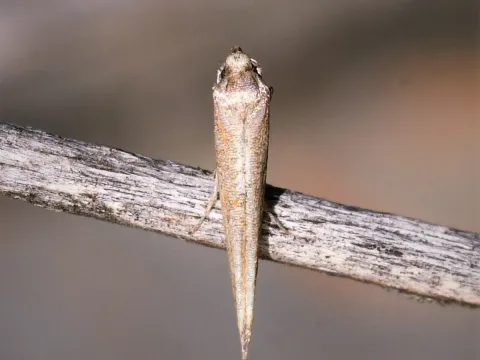
Eustaintonia
Eustaintonia
Eustaintonia is a genus of insects belonging to the order Lepidoptera, specifically the family Tineidae, commonly known as true moths. These are small insects characterized by narrow wings often covered in scales, which provide essential camouflage against various surfaces.
What the section contains
Eustaintonia
The morphology of the adult moth is typical for the family, with a subdued color palette that helps them blend into bark or dry organic debris. Their mouthparts are often adapted for simple nectar feeding or are reduced, depending on the specific species.
Larvae are the most distinct stage, noted for their ability to construct portable cases made from silk and environmental materials like soil particles or decaying plant matter. These cases serve as protective armor against predators.
Identifying Eustaintonia in the field can be challenging due to their small size and cryptic habits. Precise taxonomic identification usually requires a laboratory examination of the male and female genital structures.
Understanding their preference for organic-rich environments is key to identifying their habitats and managing the areas where they tend to thrive and multiply.
Eustaintonia acts as a pest by consuming organic matter and plant tissues. While not always a primary field pest, it can cause significant stress to weakened crops, especially in protected environments like greenhouses.
The larvae feed on the surface tissues of leaves and can burrow into soft stems. This feeding activity disrupts the plant's metabolic processes, leading to chlorosis, stunted growth, and general physiological weakness.
In stored produce or decaying organic matter within greenhouse systems, they can cause damage by feeding on seeds, sprouts, or seedlings, leading to substantial economic loss in high-value horticulture.
Feeding sites frequently serve as entry points for secondary fungal and bacterial infections. Once the plant tissue is compromised, pathogens colonize the wounds, exacerbating the damage caused by the insect.
Severe infestations in storage facilities can lead to product contamination, as the larvae leave behind silk trails and frass, which decrease the quality and marketability of agricultural products.
The life cycle of Eustaintonia is highly dependent on environmental variables such as temperature and humidity. In indoor agricultural settings, they can complete multiple generations annually.
In outdoor conditions, the activity of adults usually begins in late spring, following the warming of the soil. The emergence period is typically extended, reflecting the species' adaptability to varying microclimates.
Eggs are laid in protected areas near food sources, such as decaying organic material or the bases of host plants. The incubation period is relatively short during warm weather, allowing for rapid population growth.
Pupation occurs within the larval case, which is firmly attached to a stable substrate. This pupal stage acts as a robust survival mechanism during unfavorable weather conditions or winter months.
The presence of moisture is a critical factor for population booms; therefore, periods of high rainfall or excessive irrigation often precede increased larval activity in fields.
The first signs of infestation include small, irregular holes or grazing marks on leaf surfaces. In many cases, the leaf epidermal layer is consumed, creating translucent patches.
The presence of portable larval cases is the most reliable indicator of an infestation. These cases may look like small pieces of debris, so careful observation is necessary to distinguish them from harmless detritus.
Fine silken threads often accompany the activity of larvae, as they use silk to move between leaves or anchor their cases while feeding, creating a delicate webbing appearance.
Dark, granular frass found near the base of plants or inside leaf folds provides clear evidence of ongoing larval feeding activity within the vicinity of the crop.
General yellowing or drooping of younger plants without clear signs of soil-borne pathogens should prompt an inspection for the presence of Eustaintonia larvae near the root collar.
Sanitation is the cornerstone of Eustaintonia management. Removing crop debris and organic litter minimizes the available food sources and nesting sites for the larvae.
Managing the greenhouse microclimate, particularly maintaining adequate ventilation to reduce excessive humidity, makes the environment less favorable for the insect's development.
Biological control agents, including microbial insecticides such as those containing Bacillus thuringiensis, have proven effective when applied during the early larval development stages.
Chemical control should be employed only when necessary, using selective insecticides that target larvae while preserving beneficial insects. Proper timing based on monitoring is essential for success.
The use of pheromone monitoring traps allows agronomists to track the adult population dynamics and schedule control measures before the next generation of larvae begins to emerge.