
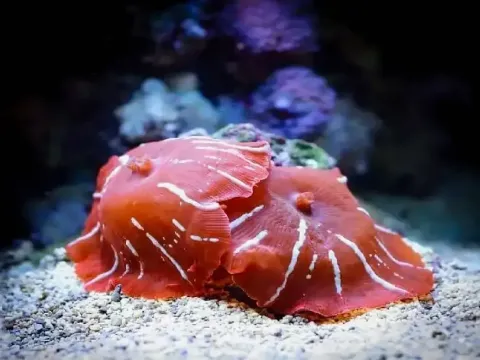
Discosoma neglecta
Discosoma neglecta
Discosoma neglecta belongs to the order Diptera, specifically relating to families of fungus-associated flies. These are small insects that often thrive in moist, nutrient-rich environments typical of nursery greenhouses.
What the section contains
Discosoma neglecta
The adult form is characterized by a dark, slender body and long legs, making them inconspicuous unless they are present in high numbers. They are most active in low-light and high-humidity conditions.
The larvae are typically maggot-like, featuring a distinct, darkened head capsule which facilitates movement through moist growing media or organic soil matter.
Biological identification requires careful observation of wing venation and larval mouthparts, as they are often confused with other harmless species of small flies.
These insects rely on moisture to survive and reproduce, making their presence a clear indicator of suboptimal environmental control in plant growth facilities.
This pest primarily affects young seedlings and delicate transplants. The larvae feed directly on the root systems, causing physical destruction of the root hairs and tissue.
Feeding damage prevents the plant from absorbing water and nutrients effectively, leading to stunted growth, yellowing of leaves, and, in severe cases, the death of the seedling.
Beyond direct feeding, Discosoma neglecta larvae are notorious for facilitating the spread of various soil-borne pathogens, including Pythium and other root-rotting fungi.
Greenhouse environments are highly susceptible to damage from this pest because the controlled irrigation keeps the substrate constantly damp, encouraging larval survival.
Economic losses arise from both the direct loss of plants and the associated costs of applying control measures to salvage the crop.
In greenhouses, this pest is active throughout the year, provided temperatures remain favorable for larval development. They show no specific seasonal cycle when shielded from natural climatic shifts.
Population surges frequently correlate with periods of high-intensity seed starting or transplanting, where high moisture levels in the soil provide ideal conditions for egg-laying.
The lifecycle, from egg to adult, can be completed in approximately three to four weeks under optimal conditions, leading to multiple generations in a single season.
Temperature is the main driver of their activity; growth accelerates rapidly as temperatures rise towards the 20-25 degree Celsius range.
Winter survival is guaranteed if internal greenhouse temperatures remain moderate, allowing the population to persist in the root zone and organic matter.
The most prominent sign is the sudden wilting of seedlings, even when soil moisture appears adequate. This is often followed by the plant losing its structural integrity and collapsing.
Visible swarms of small, dark flies near the base of the plants or resting on the soil surface are a primary indicator of an established infestation.
- Uneven plant height across the seed tray.
- Visible tunneling in the stem or root collar area.
- Appearance of fungal growth on the surface of the growing medium.
- Leaves losing their dark green color and turning chlorotic.
Upon careful inspection of the substrate, one might find the translucent larvae or their dark-headed remains embedded in the root tissue.
The presence of fine webs or organic debris on the soil surface may also suggest a high density of larvae, which disrupt the integrity of the growing media.
Integrated Pest Management (IPM) is essential for controlling this species. The most effective preventative measure is to allow the growing media to dry out slightly between waterings.
Sterilization of soil or peat-based substrates before planting is highly recommended to eliminate existing eggs and larvae from the medium.
Yellow sticky traps should be deployed throughout the greenhouse to monitor adult fly populations and to trap them, reducing the number of eggs laid.
Biological control using entomopathogenic nematodes (such as Steinernema feltiae) has proven highly effective in targeting larvae within the soil profile.
When infestation levels exceed the threshold for biological control, systemic insecticides approved for greenhouse use may be required to protect the integrity of the crop.