
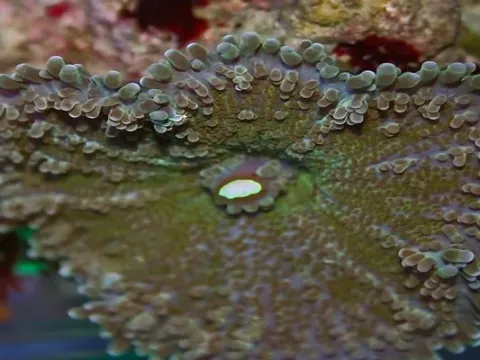
Discosoma
Discosoma
Discosoma is a genus of coral-like marine organisms belonging to the order Corallimorpharia and the family Discosomatidae. While typically known in marine aquarium hobbies, in specific agricultural settings such as high-tech hydroponics or aquaponics, these organisms can act as unwanted colonists that interfere with plant cultivation.
What the section contains
Discosoma
They are characterized by a flat, disc-shaped body that adheres firmly to various substrates. Unlike traditional agricultural pests such as aphids or mites, Discosoma are sessile, meaning they do not move actively and remain fixed to one location once established in a water system.
Their systematic position places them within the cnidarians, which distinguishes them entirely from plant-eating insects. They thrive by utilizing symbiotic algae for energy, but in artificial environments, they can grow rapidly, outcompeting plants for surface area and essential nutrients.
In a controlled environment, they are identified by their fleshy appearance and vibrant colors. Because they reproduce both sexually via larvae and asexually through fragmentation, they can rapidly dominate the interior of pipes, reservoirs, and drainage systems.
They are not a threat to traditional soil-based farming. Their presence is strictly limited to water-based culture systems, where they exploit the stagnant or nutrient-rich water to build large, dense colonies that clog equipment and impede plant development.
The primary damage caused by Discosoma is physical interference. By colonizing the root zones or the container walls, they block oxygen intake and impede the movement of water, which is vital for nutrient uptake by the plants in a hydroponic setup.
Furthermore, the growth of these organisms significantly alters the water chemistry. Their metabolic waste products can lead to spikes in acidity or ammonia levels, causing chemical stress to the plants, resulting in stunted growth and leaf chlorosis.
Competition for substrate is another critical issue. Discosoma coverage prevents the healthy expansion of roots, forcing them into less than ideal configurations, which leads to weak plant structures and increased susceptibility to opportunistic bacterial infections in the root zone.
Gas exchange disruption is a significant concern. As they consume oxygen in the nutrient solution, they can create localized hypoxic conditions near the roots, which fosters the growth of harmful bacteria, potentially leading to the complete failure of the plant culture.
In summary, while Discosoma does not eat the plants directly, it disrupts the physiological and chemical stability of the growing environment, creating a cascade of health issues for the vegetation that leads to reduced yield and poor crop quality.
Discosoma does not have a seasonal cycle in the traditional agricultural sense. Their growth is dictated by the artificial environment provided by the hydroponic system, meaning they can thrive throughout the year as long as environmental parameters remain stable.
Optimal conditions for growth include consistent water temperatures (22–26°C) and high light intensity. In greenhouse environments, the use of supplemental LED lighting provides the energy required for their symbionts to facilitate rapid colonization of the system.
The rate of colonization is directly related to the duration between system maintenance cycles. Over time, the buildup of organic matter in the nutrient solution acts as a fertilizer for Discosoma, enabling them to expand their range within the piping and irrigation infrastructure.
In industrial cycles, there is no "dormant" period. Any remaining fragment left after a cleaning cycle can initiate a new colony, making continuous vigilance necessary to prevent the resurgence of these organisms within the closed-loop system.
Strategic timing of system cleaning and sterilization is the only effective way to reset the "seasonal" pressure. Without periodic disruption of their habitat, Discosoma populations will eventually reach a saturation point that impacts the entire production facility.
- Development of fleshy, disc-like formations on the surface of hydroponic containers or irrigation lines.
- Sudden, unexplained decrease in plant growth rates despite sufficient nutrient availability.
- Presence of a gelatinous or sticky biofilm covering the root systems of the plants.
- Increased frequency of root rot symptoms despite maintaining proper water oxygenation levels.
- Unusual shifts in the pH or conductivity of the nutrient solution, indicating biological interference.
Mechanical removal is the most effective immediate remedy. Scrubbing surfaces and physical removal of the polyps is essential, but it must be done carefully to ensure that no fragments remain, as they are capable of regenerating into new individuals.
Chemical control is complicated by the fact that Discosoma is highly resilient and sensitive to any treatment that would also be toxic to the plants themselves. Treatment should only be performed during system downtime or sterilization procedures.
Adjusting the lighting parameters can discourage growth. Reducing the specific light spectrum or duration that fuels the symbiotic algae within the Discosoma polyps will eventually cause them to decline and lose their ability to sustain their colony.
Biological management is sometimes possible in integrated aquaponics, where specific aquatic species can serve as natural predators, but this requires a delicate balance to ensure the safety of the primary crop and the ecological integrity of the system.
The most important control measure is strict sanitation. By sterilizing all equipment between crop cycles and ensuring that incoming water sources are free of biological contamination, growers can effectively eliminate the risk of Discosoma infestation.