
Zonites algirus
Zonites algirus
Description
How to identify
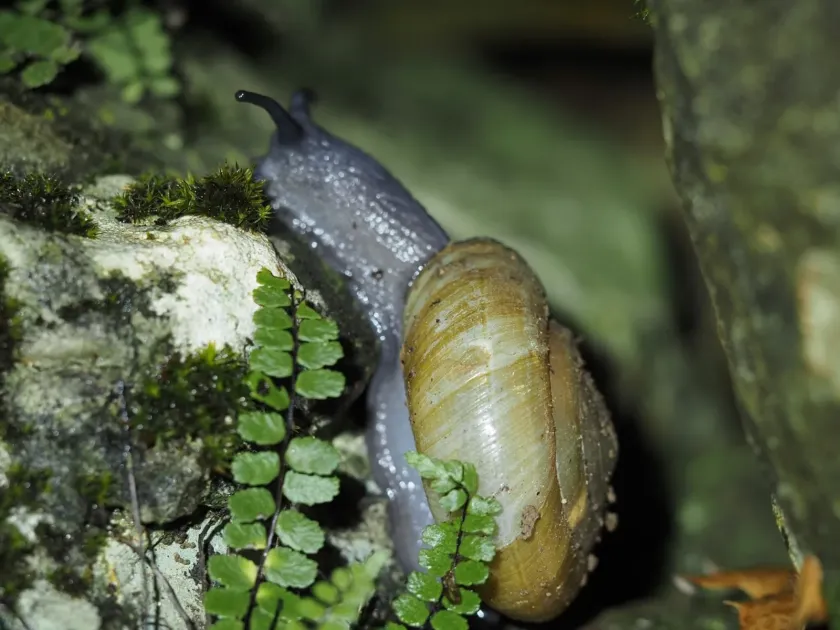
Zonites algirus is a significant species of land pulmonate snail belonging to the family Zonitidae, within the order Stylommatophora.
The shell of this species is characterized by a low-conical shape, typically exhibiting a yellowish-brown or horn-colored surface that is smooth and glossy.
Adult specimens can grow to a considerable size, making them easily identifiable within their native Mediterranean habitats or infested gardens.
The mollusk's body is highly muscular and flexible, facilitating agile movement across soil surfaces and vertical plant stems during its search for food.
These snails are predominantly nocturnal, favoring cool, damp environments where they can remain protected from desiccation during daylight hours.
What it damages
This mollusk is a polyphagous pest, known to feed on a wide variety of cultivated vegetables, ornamental flowers, and bedding plants.
Significant damage occurs particularly in the seedling stage, where the tender tissues are easily consumed, leading to complete plant destruction.
In mature plants, the snail causes ragged holes in the leaves, significantly reducing the surface area available for photosynthesis and weakening the plant.
Beyond direct tissue consumption, the mucus trails left by the snail promote the growth of pathogens, increasing the risk of secondary bacterial or fungal infections.
Under favorable conditions of high humidity, these snails can cause widespread devastation, leading to significant yield losses in commercial and private gardens.
When it appears
The activity level of Zonites algirus is strongly correlated with moisture levels in both the soil and the ambient air.
Activity usually peaks during spring months, following periods of heavy rain, which provide the ideal conditions for emergence and reproduction.
During dry and hot summer months, the snails often enter a period of estivation, retreating into deep soil or dense vegetation to conserve moisture.
Autumn brings a resurgence of activity as temperatures cool and rain increases, providing optimal conditions for feeding before the onset of winter.
They overwinter in sheltered locations, such as under logs, in leaf litter, or deep within the soil profile, to survive freezing conditions.
Signs of infestation
The presence of Zonites algirus is most easily detected by the distinct, irregularly shaped holes chewed into leaves.
Dried, silvery mucus trails found on plant stems and soil surfaces are telltale signs of recent mollusk passage through the garden.
Observing the area during night hours or early mornings after rain often reveals the snails themselves feeding on host plants.
Damage to the apical meristems (growing points) of plants, causing stunted growth or total failure, is another common indicator of severe infestation.
The damage is frequently concentrated in clusters, particularly in areas with dense planting or poor drainage that retain higher moisture levels.
Control measures
Effective management begins with sanitation practices, such as removing weeds, debris, and hiding spots like wooden boards to reduce the snail population.
Creating physical barriers using abrasive materials like coarse sand, wood ash, or lime can effectively deter snails from moving onto sensitive garden beds.
Biological control methods include encouraging natural predators, such as hedgehogs, toads, and certain bird species, which help maintain ecological balance.
Manual collection at night or the use of fermented liquid traps (e.g., beer traps) are simple but highly effective methods for small-scale infestations.
Where chemical intervention is necessary, the use of iron phosphate-based molluscicides is recommended due to their relative safety for non-target wildlife.
Taxonomy
- Latin name
- Zonites algirus
- Order
- Molluscs
- Family
- Zonitidae
- EPPO code
- ZONEAL
Discussion
No discussions yet — be the first.