
Oxychilus draparnaudi
Oxychilus draparnaudi
Description
How to identify
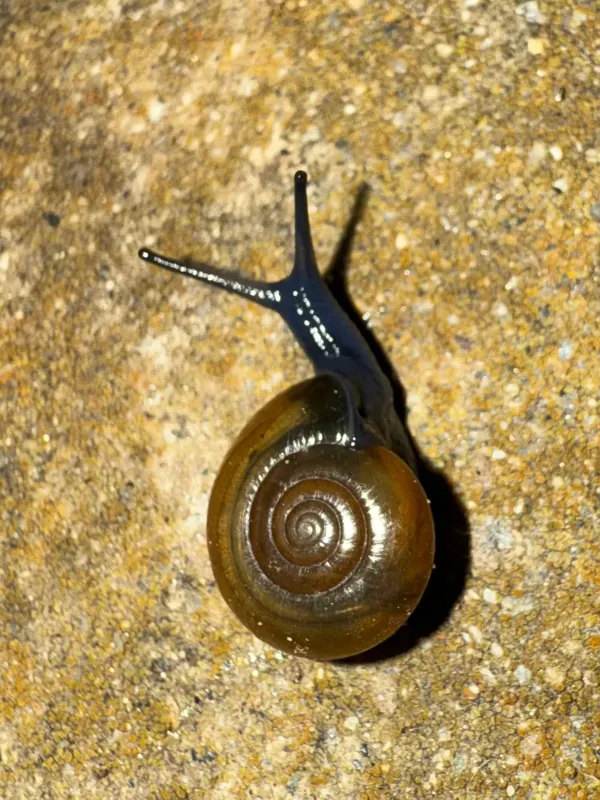
Oxychilus draparnaudi is a species of air-breathing land snail in the family Oxychilidae (order Stylommatophora). The shell of an adult is typically 12–16 mm in diameter, characterized by a flattened, glossy, yellowish-brown appearance.
The soft body of the snail is usually dark grey or bluish-grey, distinguishing it from many other common garden slugs and snails. Unlike most garden gastropods that feed exclusively on vegetation, this species is largely carnivorous, preying on other small invertebrates.
These snails thrive in moist, shaded environments. They are typically found under logs, stones, leaf litter, or dense vegetation where the humidity levels remain consistently high throughout the day.
Reproduction occurs in damp soil or decaying organic matter where eggs are laid in small clusters. The lifecycle is highly dependent on environmental moisture, which dictates the density of the local population.
While often beneficial as a predator of other pests, under greenhouse conditions or when natural prey is scarce, they may switch to feeding on the tissues of young ornamental and vegetable plants.
What it damages
In agricultural settings, particularly in greenhouses, Oxychilus draparnaudi can cause significant damage to young seedlings and soft-tissue vegetables. They consume tender leaves and stems, leading to stunted growth.
Damage occurs primarily at night. The snails scrape the epidermis of young leaves, resulting in irregular holes and ragged edges, which weaken the plant and make it vulnerable to secondary infections.
The destruction of growing points in young transplants is particularly critical and can result in total crop failure if not addressed. Pathogenic fungi often colonize the damaged tissues, compounding the problem.
In outdoor garden beds, they may damage fruits such as strawberries that are in contact with the soil. This significantly reduces the marketability and quality of the harvested crops.
Although they are not obligate herbivores, their presence in high densities in gardening environments requires monitoring to prevent accidental damage to horticultural crops.
When it appears
Activity typically commences in the spring, once soil temperatures exceed 5–8 degrees Celsius. This period coincides with the planting of seedlings, making it a high-risk time for young plants.
Peak damage generally occurs during the wet summer months. High rainfall and regular irrigation provide the necessary humidity for these snails to move and forage actively across the soil surface.
As temperatures begin to drop in autumn, their activity levels gradually decrease. Individuals seek shelter in deeper soil layers or dense debris to enter a state of winter dormancy.
In controlled greenhouse environments, the lifecycle may continue uninterrupted year-round if humidity and warmth are maintained, posing a persistent threat to sheltered crops.
Environmental changes, particularly extended droughts, will force these snails into deeper soil layers to avoid dehydration, which effectively reduces their presence on the soil surface.
Signs of infestation
The most prominent sign of infestation is the presence of silvery, dried mucus trails left on soil, leaves, or greenhouse surfaces. These trails are particularly noticeable during the morning hours.
Irregular holes and missing leaf margins on young seedlings are indicative of gastropod feeding. If such damage is noted, a thorough inspection of the base of the plant is recommended.
Finding individual snails or their shell fragments under mulch, stones, or wooden boards confirms an infestation. They are usually found huddled together in cool, dark spots during the day.
- Silvery, dried mucus trails on leaves and soil.
- Irregular holes and ragged leaf edges on seedlings.
- Presence of live snails under garden debris or mulch.
- Damage to fruits and berries in contact with the ground.
Early morning visual inspections are the best way to detect their presence before the population grows large enough to cause widespread crop loss.
Control measures
Effective control starts with good hygiene practices. Removing plant debris, weeds, and discarded wood eliminates the daytime hiding spots that these snails rely on for survival.
Mechanical barriers, such as copper tape around pots or gravel borders around garden beds, create uncomfortable surfaces for snails to cross, protecting sensitive seedlings from foraging.
Adjusting irrigation schedules is an important cultural practice. Watering plants in the early morning allows the soil surface to dry out by evening, making the environment inhospitable for nighttime feeders.
For high-density populations, the use of molluscicides containing iron phosphate is highly recommended, as they are effective and provide a safer alternative for the environment and non-target species.
In smaller garden plots, beer traps or damp burlap cloths can be used as baits. By checking these daily, gardeners can collect and remove a significant number of individuals manually.
Taxonomy
- Latin name
- Oxychilus draparnaudi
- Order
- Molluscs
- Family
- Zonitidae
- EPPO code
- OXYHDR
Discussion
No discussions yet — be the first.