
Oxychilus
Oxychilus
Description
How to identify
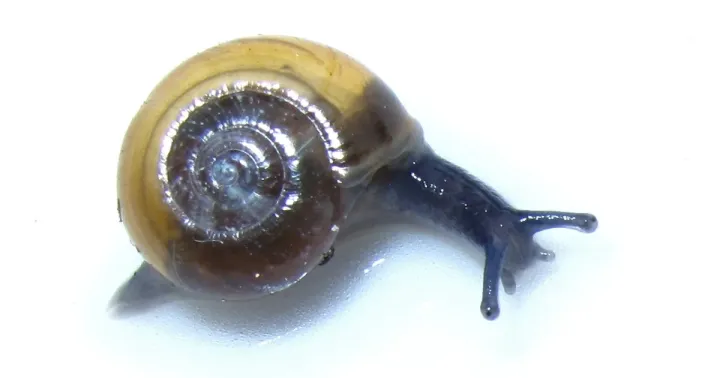
The genus Oxychilus, belonging to the family Oxychilidae, consists of small, predominantly predatory, and omnivorous land snails. These mollusks are characterized by their smooth, glossy, and often translucent shells, which can have varying shades of amber or brown.
Their bodies are usually grey or bluish. Unlike typical slugs, Oxychilus possesses a distinct shell into which the animal can fully retract when threatened by predators or during dry environmental conditions.
These snails thrive in humid environments and are typically found in soil leaf litter, under stones, near decaying wood, or within dense vegetation. They are sensitive to desiccation and prefer cool, moist microclimates.
They are primarily nocturnal creatures, remaining hidden during the day. Their activity patterns are closely linked to moisture levels, making them most visible after rainfall or during periods of high humidity in the garden.
Identification of the specific species within the Oxychilus genus often requires specialized morphological analysis of the radula and reproductive anatomy, as shell appearance can be highly variable and similar across different species.
What it damages
Although many Oxychilus species are known for being predatory—feeding on other small snails, worms, and organic matter—they often transition to feeding on agricultural crops when conditions are favorable. They can cause significant damage to seedlings and vegetables.
Commonly affected crops include lettuce, cabbage, strawberries, and root vegetables like carrots or potatoes that come into contact with the damp soil. The snails scrape the epidermis and consume the soft tissues of leaves and fruits.
The damage caused by these mollusks manifests as irregular holes in foliage and scooped-out sections in fruits. These wounds serve as entry points for secondary pathogens, including bacteria and fungi, leading to rot and rapid crop loss.
In ornamental gardens and greenhouses, Oxychilus can destroy young transplants by feeding on growth points and delicate stems. This stunts development and may cause the total collapse of the affected plant.
Furthermore, the slime trails left by these snails are rich in bacteria and can contaminate the plant surface, negatively impacting photosynthetic efficiency and contributing to the overall decline of plant health in greenhouse settings.
When it appears
The activity period of Oxychilus is strongly dictated by rainfall and soil moisture content. Spring is a peak period of activity when individuals emerge from wintering sites to feed on young, nutrient-rich spring shoots.
During the hot summer months, their activity often declines as they retreat deeper into the soil or find cool, moist refugia to escape dehydration. They enter a period of reduced metabolism until more favorable conditions return.
Autumn triggers a resurgence in activity as temperatures decrease and rainfall increases. During this phase, they feed extensively on harvest remnants and emerging winter crops in preparation for the winter dormancy period.
Reproduction occurs throughout the growing season, with eggs deposited in moist soil cracks or under decaying matter. Juveniles hatch and begin feeding almost immediately, growing rapidly in the presence of adequate food resources.
Overwintering occurs as adults or egg masses buried beneath debris or within the top 10-15 cm of the soil profile. Proper end-of-season soil management is therefore crucial to disrupting their life cycle.
Signs of infestation
The most visible sign of an Oxychilus presence is the appearance of shiny, dried slime trails left on the surface of paths, pots, or plant leaves, especially noticeable during the early morning hours.
Foliage damage typically appears as irregularly shaped holes or edges that are nibbled away. Unlike insect damage, these holes are generally larger and lack the characteristic skeletonization patterns seen in beetle or caterpillar feeding.
When inspecting root vegetables, growers may find deep craters or cavities eaten into the fleshy parts. Finding a small, shell-bearing snail within these cavities is a definitive indicator of their presence.
- Glossy, dried mucous trails on the soil or leaves.
- Irregular holes in the lower foliage of vegetable plants.
- Damage to fruit skins and soft tissues near the soil level.
- Presence of snails under mulch, stones, or wooden boards.
Young transplants may show signs of wilting or death if the main stem is attacked. Monitoring should be done during twilight hours, as these snails are most mobile when the air is cool and moist.
Control measures
Effective control starts with good agricultural practices, such as regular weeding and soil cultivation. Turning the soil exposes eggs and juveniles to predators and dehydrating air, disrupting their survival cycle.
Implementing physical barriers can prevent snails from reaching vulnerable plants. Materials like crushed eggshells, wood ash, or coarse sand act as irritants that snails are reluctant to cross due to the risk of moisture loss.
In cases of severe infestation, commercial molluscicides (such as metaldehyde-based pellets or iron phosphate) are effective. These should be applied according to label instructions, ensuring they are placed where snails gather but out of reach of pets and wildlife.
Biological control methods involve encouraging natural predators like toads, hedgehogs, ground beetles, and shrews. Maintaining a balanced ecosystem in the garden provides a sustainable way to keep Oxychilus populations in check.
Finally, maintaining sanitation by removing garden debris, piles of wood, and excessive mulch near vegetables reduces the number of suitable hiding spots. A clean garden environment makes the area less attractive for colonization by these snails.
Taxonomy
- Latin name
- Oxychilus
- Order
- Molluscs
- Family
- Zonitidae
- EPPO code
- OXYHSP
Discussion
No discussions yet — be the first.