
Pumpkin fly
Zeugodacus depressus
Description
How to identify
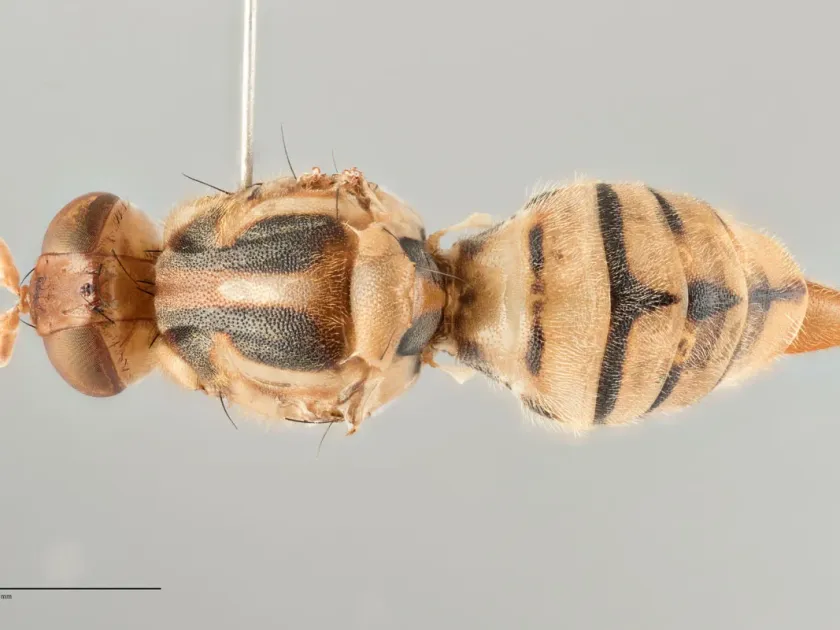
The pumpkin fly (Zeugodacus depressus) is a significant pest belonging to the family Tephritidae, order Diptera. It is a highly specialized insect that targets members of the Cucurbitaceae family.
Adult flies are relatively small with distinctive wing patterns, which is a common trait among fruit flies. Females possess a sharp ovipositor capable of piercing the epidermis of developing fruits.
The larval stage, which causes the actual damage, is characterized by a maggot-like body that is white or cream in color. Larvae develop exclusively within the host plant fruits.
The lifecycle involves a complete metamorphosis including egg, larva, pupa, and adult stages. The flies are most active during the flowering and fruit-setting phases of their host plants.
Environmental factors such as temperature and humidity significantly influence the developmental speed of the insect, allowing for multiple generations per season in favorable conditions.
What it damages
The host range of the pumpkin fly is primarily restricted to the Cucurbitaceae family, causing serious damage to pumpkins, squashes, cucumbers, melons, and watermelons.
Damage is inflicted by larvae tunneling into the fruit flesh. This feeding behavior destroys the internal tissue and leads to the rapid degradation of the fruit's quality and shelf life.
The destruction of tissue by larvae facilitates the entry of secondary pathogens, such as soft rot bacteria and fungi, which quickly turn the fruit into a decaying mass.
Severe infestations can lead to substantial yield losses, as entire crops can be ruined before they reach maturity if the pest population remains unchecked.
This pest is particularly dangerous in regions where cucurbits are grown on a large scale, as it can propagate rapidly across fields during the peak season.
Signs of infestation
The first external sign of infestation is the presence of small puncture marks on the fruit skin, left by the female during the oviposition process.
As the larvae feed and grow, small, sunken, or discolored spots appear on the fruit surface. These areas often become soft to the touch due to internal tissue breakdown.
Internal signs of damage include irregular tunnels within the fruit flesh. When cutting open a suspicious fruit, one can usually observe the larvae themselves or evidence of their feeding paths.
Premature yellowing or shedding of young fruit is another common symptom of pumpkin fly larvae development inside the plant structure.
- Puncture marks on the fruit skin.
- Soft, discolored patches on the fruit.
- Presence of maggots inside the fruit.
- Foul odor caused by bacterial rot.
- Deformed or stunted fruit growth.
Control measures
Integrated pest management (IPM) for the pumpkin fly starts with crop rotation, which is essential to disrupt the life cycle of the pest by limiting the availability of host plants.
Field sanitation is critical; all infested or rotting fruits must be collected and disposed of immediately to prevent larvae from entering the soil for pupation.
Deep plowing after the harvest season helps to bring pupae to the soil surface, exposing them to environmental conditions and natural predators, which significantly reduces the next year's population.
Monitoring the population through the use of yellow sticky traps or pheromone lures allows growers to time insecticide applications efficiently, minimizing chemical usage.
When chemical control is necessary, systematic insecticides approved for cucurbits should be used with strict adherence to pre-harvest intervals to ensure safety and regulatory compliance.
Taxonomy
- Latin name
- Zeugodacus depressus
- Order
- Diptera (flies)
- Family
- Tephritidae
- EPPO code
- BCTRDE
Discussion
No discussions yet — be the first.