
Atrisetosus fruit fly
Zeugodacus atrisetosus
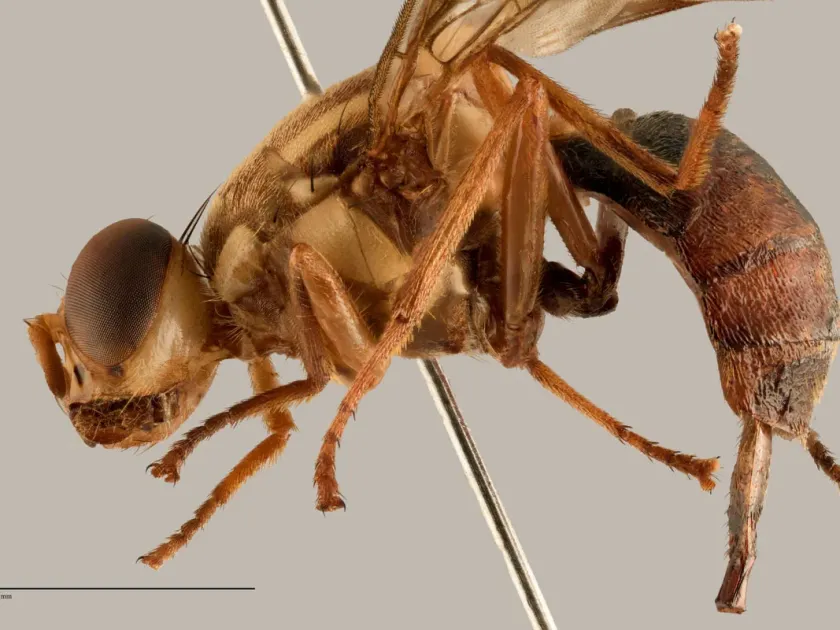
Description
How to identify
The Zeugodacus atrisetosus is a species of fruit fly belonging to the Tephritidae family, order Diptera. This insect is recognized as a significant agricultural pest, particularly in regions where it has been introduced or is endemic.
Morphologically, adults are small flies often characterized by specific wing patterns and body coloration that distinguish them from other Zeugodacus species. Reliable identification often requires expert entomological examination of reproductive organs.
The life cycle involves four stages: egg, larva, pupa, and adult. The speed of development is highly dependent on environmental conditions, specifically temperature and humidity levels, which drive the seasonal activity of the populations.
Larvae are internal feeders, living inside the fruit tissue during their development. They lack legs and are well-adapted to the interior environment of the host plant's fruit, which protects them from many external environmental factors.
Adult flies are often detected using monitoring stations equipped with chemical lures. These traps are essential tools for early detection and population modeling, allowing growers to time their intervention strategies effectively.
What it damages
Zeugodacus atrisetosus primarily targets a variety of fruit-bearing plants, causing direct loss to growers. The larvae feed on the fleshy parts of the fruit, making them unmarketable and unsuitable for consumption.
Damage begins when the female punctures the fruit skin to lay eggs. As the larvae hatch and start feeding, they create tunnels through the fruit, which often leads to rapid decay caused by both the feeding activity and secondary microbial infections.
The economic impact is characterized by both quantitative losses (premature fruit drop) and qualitative losses (deterioration of fruit appearance and taste). Even light infestations can lead to total rejection of the crop by markets.
Severe infestations often result in the total destruction of individual fruits, significantly reducing overall harvest volume. This impact is exacerbated in orchards where pest density is not actively monitored or managed.
This species is of major quarantine concern globally. Its presence in a crop often leads to strict trade restrictions and the implementation of mandatory disinfestation protocols for any products destined for export.
Signs of infestation
Small entry points or sting marks on the surface of the fruit are the first signs of infestation. These spots may be accompanied by small discolored areas or slight depressions, indicating where the female has deposited her eggs.
Softening of the fruit tissue around the oviposition site is a common diagnostic sign. If the damage progresses, the area may become noticeably mushy or darkened compared to healthy parts of the fruit.
Cutting open a suspected fruit often reveals the presence of larvae inside. The interior pulp may show tunnels or a mushy consistency, and if the infestation is advanced, a strong odor of fermentation may be present.
Premature fruit drop is a strong indicator of an active population of Zeugodacus atrisetosus. If healthy-looking fruits fall from the tree in large numbers, it is critical to perform an internal check for larval activity.
The visual presence of adult flies in the orchard, confirmed through the use of specific attraction traps, is the most accurate way to verify the presence of the pest before it has had the chance to cause visible crop damage.
Control measures
Cultural control practices are fundamental, including the systematic removal and destruction of fallen fruit. Burying or incinerating infested fruit prevents the larvae from pupating in the soil and completing their life cycle.
Chemical control focuses on applying targeted insecticides against adults during their peak activity periods. It is vital to choose products that comply with local residue regulations and are applied before egg-laying starts.
Integrated Pest Management (IPM) techniques, such as the use of male-annihilation pheromone traps, can significantly reduce the mating success of the population, leading to a natural decline in future generations.
Biological control options involve the deployment of natural predators or parasitoid wasps. These organisms can help suppress population levels in larger orchards when integrated into a broader agro-ecosystem management plan.
Strict phytosanitary regulations are essential for preventing the spread of Zeugodacus atrisetosus. Quarantine inspections of imports and local produce shipments help to maintain "pest-free" areas and protect domestic agricultural interests.
Taxonomy
- Latin name
- Zeugodacus atrisetosus
- Order
- Diptera (flies)
- Family
- Tephritidae
- EPPO code
- BCTRAT
Discussion
No discussions yet — be the first.