
Xystophora
Xystophora
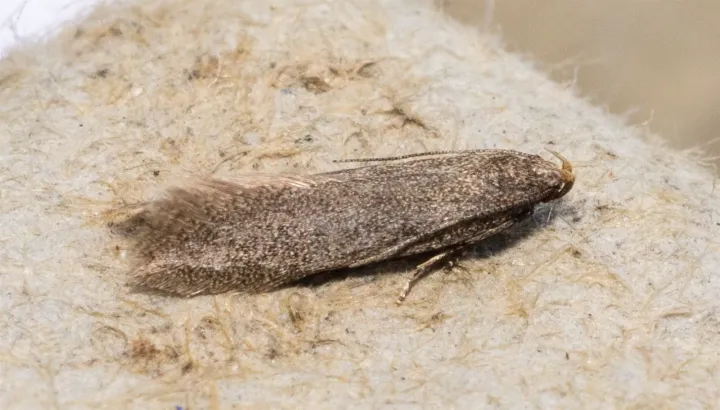
Description
How to identify
Xystophora belongs to the Gelechiidae family of moths within the order Lepidoptera. These are small, nocturnal insects often overlooked due to their camouflaged appearance and hidden behavioral patterns.
Adult moths are characterized by a distinct notch on the outer edge of their wings, which is a diagnostic morphological trait for this specific family.
Larvae, or caterpillars, undergo several developmental stages, changing in color and size throughout their growth period depending on the host plant's condition.
The insect's life cycle is intrinsically linked to the phenological development of host plants, often coinciding with the budding and flowering seasons.
They typically overwinter as pupae or mature larvae within plant debris, soil crevices, or under the bark of trees, ensuring their survival during winter months.
What it damages
Xystophora is a specialized pest primarily targeting fruit trees, including pome and stone fruit species, which are economically significant crops.
The larvae are responsible for the damage, feeding on young foliage, buds, and fruit clusters, leading to reduced yields and overall tree physiological stress.
Severe infestations can result in significant defoliation, negatively impacting the tree's photosynthetic capability and potentially causing premature fruit drop.
Feeding sites created by the larvae often facilitate secondary infections by pathogens, such as fungi or bacteria, which can cause further localized tissue damage.
Economic damage is most pronounced in years with favorable climatic conditions, which allow for multiple generations of the pest to emerge within a single season.
Signs of infestation
The most common sign of infestation is the presence of rolled or webbed leaves at the tips of young shoots, which serve as shelters for the caterpillars.
Visual evidence includes larval frass on the leaf surface and irregular holes in the leaf blades where the larvae have been actively feeding.
Flower damage is another critical indicator, as larvae may consume the internal parts of buds, preventing normal fruit formation and leading to bud desiccation.
Visible spider-like webbing on shoot terminals indicates the presence of nests created by the caterpillars to protect themselves from predators.
Increased activity of parasitic wasps or lacewings around the canopy can sometimes serve as a biological indicator of the pest's presence in the garden.
Control measures
Integrated Pest Management (IPM) is recommended, starting with cultural practices such as pruning affected branches and removing leaf litter to destroy overwintering sites.
Biological control agents, particularly formulations based on Bacillus thuringiensis, are highly effective against early-instar larvae without harming beneficial insects.
Chemical control using systemic insecticides is reserved for situations where pest populations exceed the economic threshold to ensure effective crop protection.
- Monitoring population density with pheromone traps.
- Enhancing habitat for natural predators like ladybugs and lacewings.
- Implementing regular orchard sanitation and field scouting.
Proactive monitoring during key phenological stages is crucial for identifying early infestations and implementing timely management strategies to safeguard fruit yields.
Taxonomy
- Latin name
- Xystophora
- Order
- Lepidoptera (butterflies)
- Family
- Gelechiidae
- EPPO code
- XYSPSP
Discussion
No discussions yet — be the first.