
Xyphosia
Xyphosia
Description
How to identify
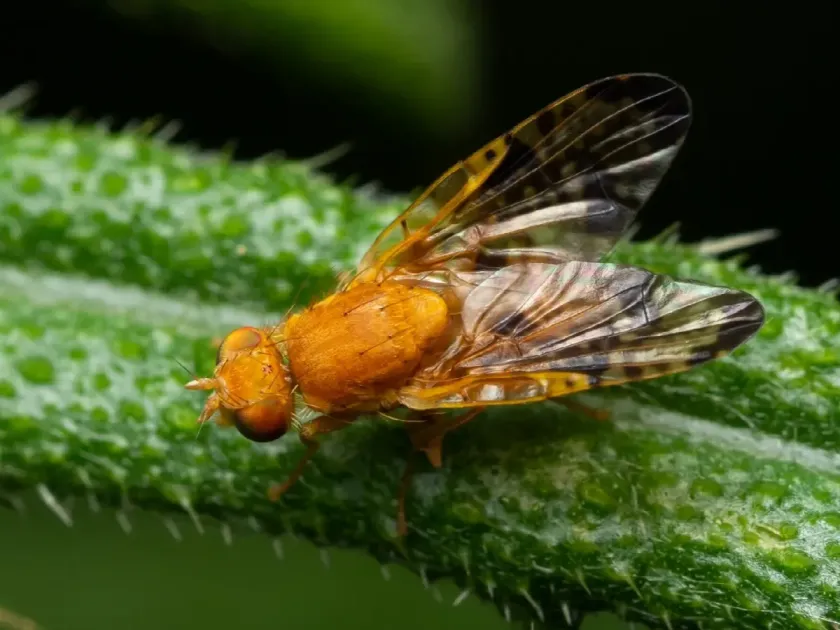
Xyphosia is a genus of fruit flies belonging to the family Tephritidae. These insects are characterized by their small size and distinctively patterned wings, which is a common trait among many species in this family.
Adult flies typically measure between 5 to 8 millimeters in length. They display yellowish to brownish body coloration, which helps them blend into the flower heads of their host plants during foraging.
The larvae are legless and creamy-white in color. They reside exclusively inside the flower heads or seeds, making them difficult to detect without physical examination of the plant tissues.
Scientific identification often requires a detailed study of wing venation and the shape of the ovipositor in females. This morphological analysis is crucial for distinguishing Xyphosia from other related Tephritids.
The life cycle follows a complete metamorphosis pattern. This includes egg, larval, pupal, and adult stages, each adapted to survive in different micro-environments associated with their host plants.
What it damages
Xyphosia species primarily infest plants within the Asteraceae family. This includes various wild thistles and, in some regions, agricultural crops such as sunflowers or other ornamental composites.
The damage is caused by larvae that feed on the developing seeds and receptacle tissues inside the flower head. This consumption results in a significant reduction of seed yield and quality.
Infested flower heads often show visible signs of malformation. As the larvae tunnel through the developing flower, the integrity of the bloom is compromised, leading to premature wilting and death.
Secondary damage occurs when fungal pathogens enter the wounds created by the larvae. These infections can exacerbate the damage, potentially destroying the entire flower head.
For commercial growers, the primary economic impact is the loss of viable seeds. In crops where seed production is the goal, even moderate infestations can lead to substantial financial losses.
When it appears
Adult Xyphosia are typically active during the summer months, aligning with the flowering period of their host plants. Mating and oviposition occur shortly after the flower heads begin to open.
The larval stage is the longest part of the life cycle, as they remain sequestered within the flower head until they are ready to pupate. The duration of this stage is highly dependent on ambient temperature.
Pupation usually occurs either within the dried flower head or in the soil near the host plant. This strategy provides a protective environment against predators and harsh weather conditions.
The number of generations per year depends on the climate. In warmer regions, it is possible for the insect to complete multiple cycles during a single growing season.
Environmental factors such as rainfall and humidity play a critical role in the success of larval development. Excessive moisture can sometimes lead to larval mortality if the flower heads begin to rot prematurely.
Control measures
Integrated Pest Management (IPM) is essential for controlling Xyphosia. Crop rotation serves as a primary preventative measure to break the life cycle of the pest in infested areas.
Deep plowing in the autumn helps to bury or destroy pupae that are overwintering in the soil. This significantly reduces the emerging population of adults in the following spring.
Sanitation practices, such as removing and destroying infested flower heads and clearing surrounding weeds, are effective in limiting the spread of the population.
Chemical control can be applied during the early budding phase, targeting adults before they have the chance to lay eggs. Selective insecticides are preferred to minimize harm to beneficial pollinators.
- Utilize yellow sticky traps for population monitoring.
- Encourage natural parasitoids in the field environment.
- Maintain spatial isolation from wild host plants.
Taxonomy
- Latin name
- Xyphosia
- Order
- Diptera (flies)
- Family
- Tephritidae
- EPPO code
- XYPHSP
Discussion
No discussions yet — be the first.