
Xenolechia
Xenolechia
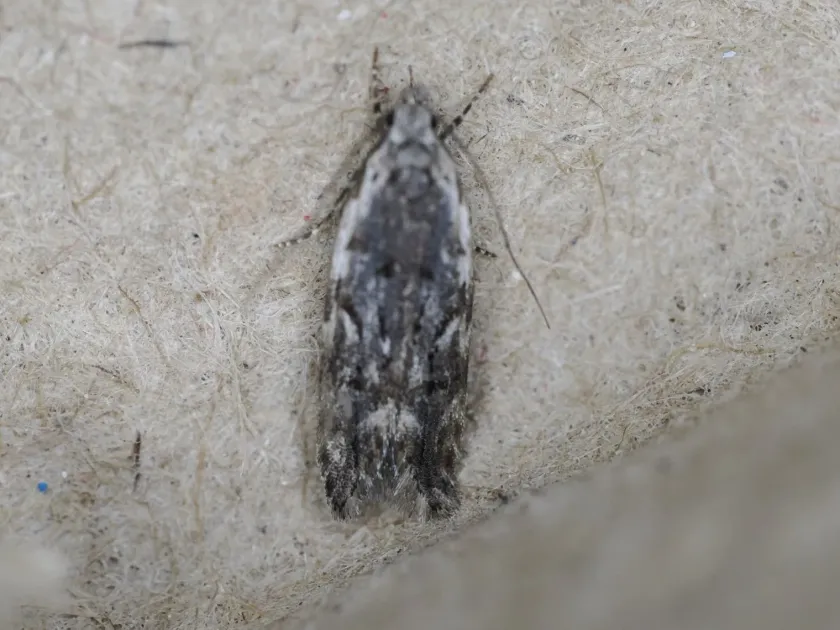
Description
How to identify
Xenolechia is a genus of moths belonging to the family Gelechiidae, commonly known as twirler moths. These insects are small, with narrow wings, and are often cryptic in appearance, blending perfectly with plant structures during the day.
The larvae of this genus are typical caterpillars with cylindrical bodies and sclerotized head capsules. They are specialized feeders, often living within leaves or buds, which serves as a defense mechanism against predators and environmental stress.
The life cycle follows a complete metamorphosis: egg, larva, pupa, and adult. Adults are mostly nocturnal, which is when mating and egg-laying occur, typically targeting the undersides of leaves or protected areas of the plant.
Depending on the latitude and local climate, they may complete multiple generations per year. Overwintering occurs in the pupal or larval stage, often hidden within plant debris or near the soil surface.
Accurate species-level identification requires technical expertise and examination of genitalic structures, as the external morphology of various Xenolechia species is highly conserved and visually similar.
What it damages
These pests primarily damage vegetation by feeding on the leaves and developing organs of agricultural crops. In many regions, they are noted for their potential impact on legumes and various forage crops.
The larvae are internal feeders, creating mines within leaf tissue by consuming the parenchyma. This mining behavior disrupts the plant's photosynthetic ability, reducing its overall metabolic rate and nutrient production.
In cases of heavy infestation, the damage leads to leaf deformation, yellowing, and necrotic spotting. The loss of leaf area reduces the plant's capacity to accumulate biomass, directly impacting yield components.
Furthermore, the damage caused by these insects creates entry points for various phytopathogens, including fungi and bacteria, which can cause secondary infections, further weakening the crop.
Economic damage is most severe during critical growth phases, particularly the flowering and pod-filling stages, where damage to reproductive structures can significantly limit the final harvest volume.
Signs of infestation
The most distinctive signs of a Xenolechia infestation are the mines visible on the leaf surface. These mines often appear as light-colored patches or tunnels, sometimes accompanied by visible frass (excrement) within the mined area.
Deformed, curled, or webbed leaves are common symptoms. The larvae often web leaves together to create a sheltered micro-habitat, where they feed protected from light and natural enemies.
Flower shedding is another indicator, as larvae may tunnel into the developing flower buds. This results in missing pods or damaged reproductive structures, which are clear signs of reproductive loss.
Localized patches of wilting or chlorotic (yellowed) foliage within a field may indicate an infestation center. Upon closer inspection, these areas often reveal the presence of larvae or their silk-webbing.
Monitoring for adults using pheromone or light traps is a crucial detection step, helping farmers identify the beginning of the flight period and timing their scouting efforts effectively.
Control measures
Effective management begins with robust cultural practices, such as deep plowing after harvest, which buries pupae and larvae, disrupting their life cycle and reducing the population for the next season.
Crop rotation is essential for breaking the pest's cycle. Moving non-host crops into fields previously infested with Xenolechia reduces the likelihood of severe outbreaks in the following year.
Chemical control should be implemented based on economic thresholds. Applying insecticides during the early larval stages, before they mine deep into the plant tissue, provides the highest efficacy.
Biological control methods, including the use of entomopathogenic bacteria like Bacillus thuringiensis, offer a targeted approach that minimizes impact on beneficial insect populations while controlling the pest larvae.
Regular field scouting and the use of monitoring traps allow for precision timing of control interventions. Proper timing ensures that the applied measures are used efficiently, maximizing crop protection while reducing chemical waste.
Taxonomy
- Latin name
- Xenolechia
- Order
- Lepidoptera (butterflies)
- Family
- Gelechiidae
- EPPO code
- XENLSP
Discussion
No discussions yet — be the first.