
Bean moth
Walshia miscecolorella
Description
How to identify
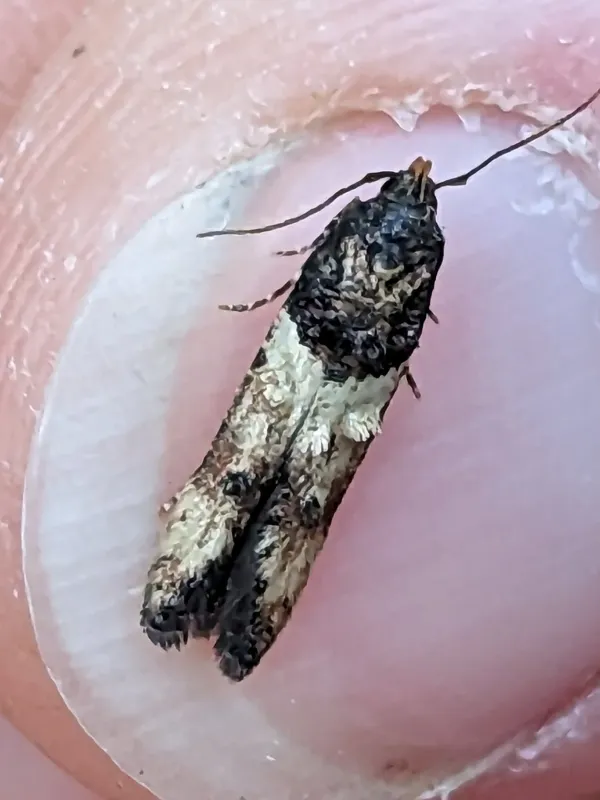
The bean moth (Walshia miscecolorella) belongs to the Cosmopterigidae family. It is a small moth characterized by narrow, pointed wings, common for this insect group.
The adult moth is cryptic, with coloration that blends in with plant debris, making it difficult to spot during daytime field surveys.
The life cycle involves egg, larva, pupa, and adult stages. The larval stage is the primary destructive phase, responsible for damaging pulses.
The rate of development is highly dependent on ambient temperatures, with warmer conditions significantly accelerating the lifecycle of the moth.
Effective monitoring relies on understanding its life stages and focusing on the periods when larvae are most active within the seeds.
What it damages
This pest primarily targets legumes, with a strong preference for common beans. It poses a threat to both maturing crops in the field and stored grain.
Larvae bore into the seeds, consuming the cotyledons and the embryo, which renders the seeds completely non-viable for future planting.
Severe infestations in storage facilities can lead to massive losses, often ruining a large percentage of the harvested yield if left unmanaged.
Infested seeds become highly susceptible to secondary pathogens, including various types of molds and bacteria, further degrading quality.
In the field, damage to young pods can result in premature abortion of seeds, directly impacting the total quantity of the crop harvest.
Signs of infestation
Small, circular exit holes on the surface of beans are the most prominent indicator that larvae have completed their development inside the seed.
Close inspection of stored seed lots may reveal fine webbing produced by the larvae as they feed and prepare for pupation.
The presence of granular frass, which resembles fine dust, accumulating among the seeds is a clear sign of active infestation.
Visual inspection during the threshing process in the field often reveals deformed or hollowed-out seeds that have been attacked by the larvae.
A musty odor in grain storage areas often accompanies high infestation levels, indicating that the seeds are decaying or affected by secondary mold.
Control measures
Cultural control, such as deep plowing in autumn, is essential for reducing the survival rate of pupae overwintering in the soil.
Managing the storage environment through cooling and proper ventilation is the most effective way to prevent population explosions in stored grain.
Timely harvest is a critical management practice, as it minimizes the window of opportunity for the moth to lay eggs on maturing pods.
- Sanitizing storage facilities thoroughly before introducing new grain.
- Deploying pheromone traps to monitor adult flight activity.
- Applying certified fumigants in storage when an infestation is confirmed.
Integrated pest management (IPM) strategies, including rotating crops and maintaining field hygiene, are recommended to minimize pest pressure.
Taxonomy
- Latin name
- Walshia miscecolorella
- Order
- Lepidoptera (butterflies)
- Family
- Tineidae
- EPPO code
- WALSMI
Discussion
No discussions yet — be the first.