
Ceratophaga vastella
Ceratophaga vastella
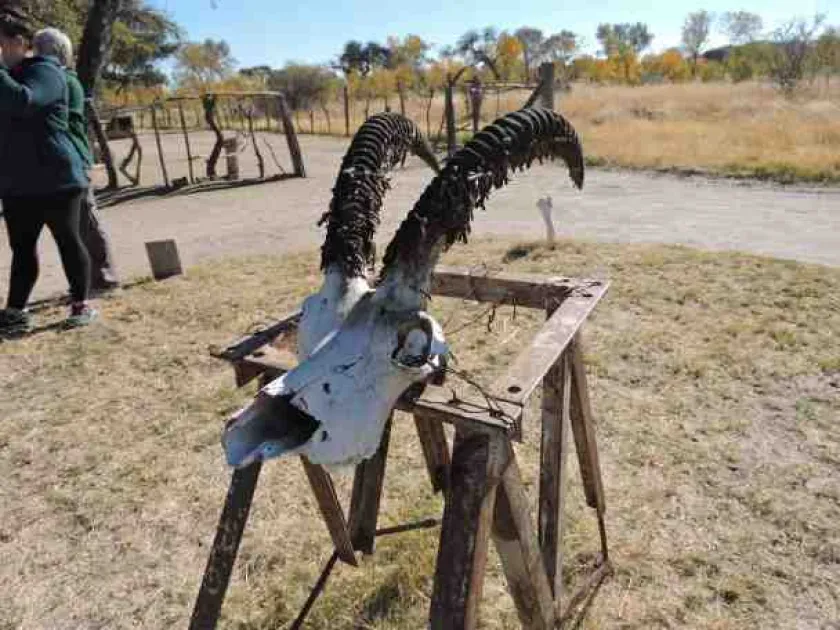
Description
How to identify
Ceratophaga vastella belongs to the Tineidae family (order Lepidoptera). It is a highly specialized species of moth known for its remarkable ability to digest keratin, the protein that forms hair, nails, and horns.
The adult moth is small, typically with a wingspan of about 15–20 mm. Its coloration is usually dark brown or gray, which provides excellent camouflage against the horns and hoofs of large animals where they typically reside.
The life cycle involves four stages: egg, larva, pupa, and adult. The larval stage is the most critical for agricultural and material damage, as it is the only stage that feeds on the tough keratin substrate.
A unique biological feature of this species is the presence of specialized symbiotic bacteria in the larval gut. These microorganisms enable the larvae to break down keratin molecules that are otherwise indigestible to most organisms.
While primarily found in wild environments feeding on carrion, the moth can infest stored animal products, posing a risk to museums, taxidermy collections, and specialized horn-based industries.
What it damages
The larvae primarily feed on the horns and hoofs of dead ungulates. They bore deep, intricate tunnels into the solid horn material, effectively destroying the object's structural integrity from within.
In industrial settings, this pest can damage raw horn and hoof material meant for production. Because the damage is internal, it often remains unnoticed until the structure becomes brittle and collapses.
Although it does not attack living crops, the pest can move to other keratin-rich materials, including wool, fur, and feathers, if they have not been adequately treated or preserved.
The harm caused by Ceratophaga vastella is significant because it can render valuable decorative or technical materials completely useless. Once the internal structure is consumed, the outer shell loses all mechanical strength.
Regular monitoring of keratin-containing stock is necessary to prevent mass infestation, especially in humid regions where the larvae can develop more rapidly.
Signs of infestation
Small, circular entry holes on the surface of horns or hoofs are the primary indicators of an infestation. These are often accompanied by piles of fine dust, which consist of larval frass.
The presence of fine, silk-like webbing on the surface of the material indicates that larvae are active and constructing tunnels for protection and movement.
A hollow sound when tapping the surface of a horn is a classic diagnostic sign. This suggests that the interior has been hollowed out, leaving only a thin outer layer of material intact.
Adult moths may be spotted flying around storage areas, particularly during dusk hours, which serves as a warning that an active population is present nearby.
Finding pupal cases or larval skins around stored materials is a definitive sign that the insect has completed at least one full generation within the storage space.
Control measures
Maintaining low humidity in storage areas is the most effective preventative measure. Keratin-feeding larvae thrive in environments where the moisture content of materials is relatively high.
Chemical control involving fumigation with approved insecticides can effectively kill larvae and adults within enclosed spaces, provided that safety guidelines for material preservation are followed.
Freezing infested materials at temperatures below -18°C for several days is a reliable method to kill all life stages of the moth without damaging the structural or chemical integrity of the horn.
Ensuring that all animal products are thoroughly cleaned and free of debris before storage reduces the likelihood of attracting egg-laying females.
Physical barriers, such as airtight containers or fine-mesh screens, are essential for protecting valuable collections or raw materials from becoming infested by adult moths.
Taxonomy
- Latin name
- Ceratophaga vastella
- Order
- Lepidoptera (butterflies)
- Family
- Tineidae
- EPPO code
- TINEVA
Discussion
No discussions yet — be the first.