
Decadarchis
Decadarchis
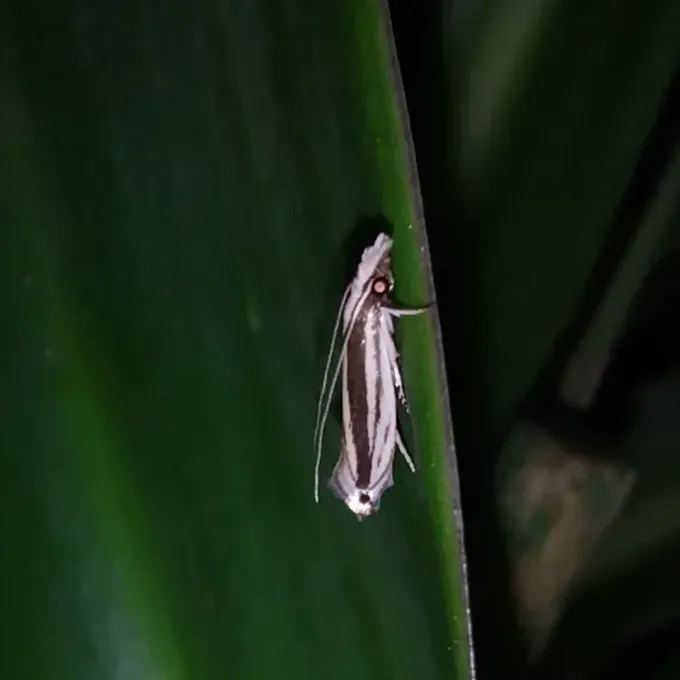
Description
How to identify
The genus Decadarchis belongs to the family Tineidae. These are small insects, with adults possessing an inconspicuous appearance and wing structures typical of moths in this family.
Adults are primarily nocturnal and lead a secretive lifestyle. Identifying specific species within the genus requires microscopic examination of the genitalia due to their high morphological similarity to other small Lepidoptera.
The larvae, or caterpillars, have a cylindrical body with a well-developed head capsule. Their color ranges from whitish to yellowish, which assists in camouflage within the plant tissues.
The insect life cycle consists of four phases: egg, larva, pupa, and adult. Development occurs under high-humidity conditions, which is characteristic of the tropical habitats where these pests reside.
Females lay eggs directly on the surface of the food source, often utilizing cracks in the bark or damaged areas of tissue, which provides protection for the developing offspring.
What it damages
The primary food source for many Decadarchis species consists of tropical crops. A well-known representative is Decadarchis minuscula, which infests the fruits of the coconut palm.
In addition to coconut palms, some species of this genus may infest other woody plants, feeding on dry or decaying plant debris as well as tissues of live plants under specific conditions.
In an agricultural context, this pest is often associated with damage to inflorescences and young nuts, leading to a significant reduction in the commercial quality of the produce.
Damage can be observed not only on plantations but also in storage facilities for plant raw materials if humidity levels favor moth reproduction.
Targeted plants are frequently prone to secondary infections, specifically fungal pathogens that enter the tissues through the tunnels bored by the larvae.
Signs of infestation
The first sign of infestation is the presence of frass (excrement) on the surface of damaged fruits or near the attachment points of inflorescences.
During visual inspection, one may notice small entry holes that larvae chew through the fruit epidermis to penetrate into the inner tissues.
Inside the damaged plant parts, silky threads are often found, which larvae use to reinforce their tunnels and construct shelters.
The drying of inflorescences or premature dropping of young fruits may also indicate the hidden presence of the pest within the ovary.
Dissecting damaged areas usually reveals the larvae themselves or their empty pupal cases, left behind after the completion of their developmental cycle.
Control measures
The primary control method is an agrotechnical approach, including regular cleaning of plantations to remove plant debris where pests might overwinter.
The use of systemic insecticides is effective for targeting larvae residing inside fruit tissues, as contact-based chemicals often struggle to penetrate these areas.
Pheromone traps are recommended for population monitoring and for precisely timing control measures during the adult flight period.
Biological control strategies include the application of Bacillus thuringiensis-based products, which are environmentally safe and effective against caterpillars.
Adherence to strict quarantine measures when transporting plant material is critical to preventing the spread of the pest to uninfested territories.
Taxonomy
- Latin name
- Decadarchis
- Order
- Lepidoptera (butterflies)
- Family
- Tineidae
- EPPO code
- DECASP
Discussion
No discussions yet — be the first.