
Cephimallota
Cephimallota
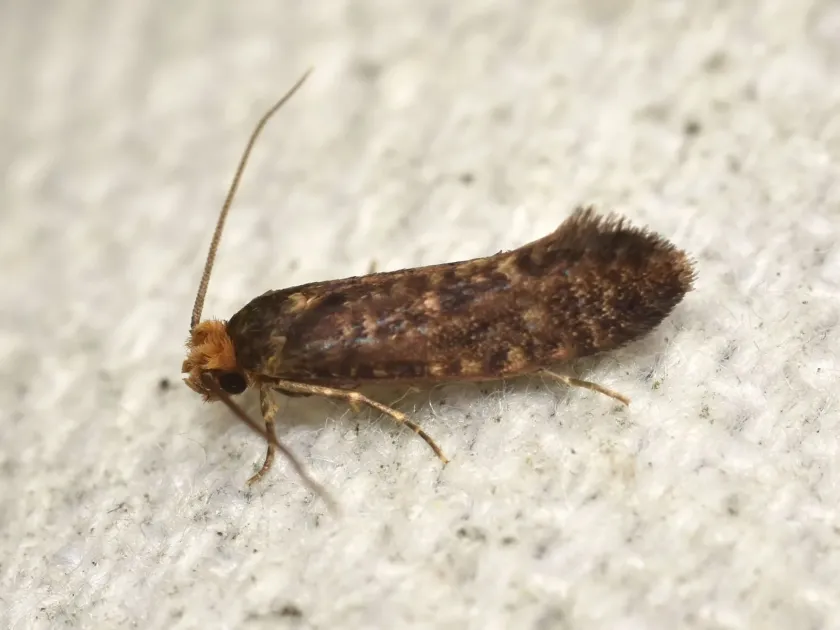
Description
How to identify
Cephimallota is a genus of moths belonging to the family Tineidae (order Lepidoptera). These small insects possess the typical morphology of true moths, characterized by narrow wings and a specialized mouthpart structure adapted for feeding on various organic substrates.
Accurate identification of Cephimallota species often requires microscopic examination of genitalia. In the field, adults are generally cryptic, with coloration that mimics tree bark or dead plant matter, helping them blend into their surroundings.
The life cycle of this pest involves complete metamorphosis, consisting of the egg, larva, pupa, and adult stages. Each stage occupies a specific ecological niche, often within the shelter of decaying plant material or protective foliage.
The taxonomic classification of the genus Cephimallota reflects its close relationship to other tineid moths that share similar feeding habits. Entomologists focus on these relationships to predict potential host ranges.
The hidden nature of the larvae makes early detection challenging. Understanding their behavior is essential for developing effective scouting protocols during the growing season.
What it damages
Larvae of Cephimallota primarily inhabit plant tissues or the litter layer, causing secondary damage by consuming plant fibers. Their feeding activities can disrupt the structural integrity of the plant.
The damage often manifests as shallow mining of the stems or bark, which interferes with nutrient transport. While not always lethal, the damage weakens the plant, making it more susceptible to environmental stress and secondary infections.
These pests are typically found on ornamental plants and shrubs. While large-scale outbreaks are not common, significant localized damage can occur in nurseries, affecting the aesthetic and commercial value of the stock.
Signs of infestation include thinning of the epidermal layer and the development of necrotic lesions on affected stems. If left unmanaged, the damage can lead to premature leaf drop and the death of young shoots.
Agronomists evaluate the damage threshold based on the density of larvae and the physiological state of the host. Timely intervention prevents the pest from creating focal points for further spread.
When it appears
The flight activity of adults usually begins in late spring, depending on the climatic conditions of the region. Adults are primarily nocturnal, often remaining hidden during the day.
Larval development occurs throughout the growing season. The most active feeding phases correlate with warm, humid weather, which supports the survival and growth of the juvenile stages.
Overwintering typically occurs in the larval or pupal stage. They seek refuge in bark crevices, hollows, or deep within the plant debris to survive the cold winter months.
As temperatures rise in the spring, the larvae break dormancy and resume feeding. This timing represents the critical window for implementing control measures before the population peaks.
Monitoring the environmental conditions allows agronomists to predict the emergence of generations. Temperature sums are often used to estimate the risk periods for specific localities.
Signs of infestation
Small granules of frass (excrement) around stems or on leaf surfaces are a primary indication of Cephimallota presence. Larvae also produce silk threads to secure their galleries or feeding sites.
Affected plant tissues often show signs of desiccation or discoloration. One may notice specific necrotic spots or small holes where the larvae have penetrated the plant surface.
- Discolored or necrotic patches on leaves and stems.
- Presence of fine silk webbing in crevices.
- Accumulation of granular frass at the base of shoots.
- Deformation or wilting of young growing tips.
- Visible larvae or pupal cases within bark cracks.
Scouting should focus on the undersides of leaves and the junction points of stems. A hand lens is useful for identifying the small, often camouflaged larvae.
Observing the flight of moths during evening inspections can provide early warning of an impending infestation, allowing for prompt preventive action.
Control measures
Integrated Pest Management (IPM) is the most effective approach for controlling Cephimallota. This includes cultural practices such as removing infested plant material and maintaining good field hygiene.
Chemical control involving the targeted application of insecticides is most effective during the early larval stage. It is crucial to use products approved for the specific crop and to rotate active ingredients to avoid resistance.
Biological control, including the use of entomopathogenic fungi or predators, provides a sustainable alternative, minimizing the impact on the local ecosystem and beneficial insects.
Preventive strategies involve ensuring optimal plant health. Well-nourished plants are generally more resilient to larval damage and recover faster from minor infestations.
The deployment of pheromone or light traps helps in early detection and density estimation, enabling precise timing of control measures and reducing overall pesticide reliance.
Taxonomy
- Latin name
- Cephimallota
- Order
- Lepidoptera (butterflies)
- Family
- Tineidae
- EPPO code
- CPHMSP
Discussion
No discussions yet — be the first.