
Smooth grass snail
Vallonia pulchella
Description
How to identify
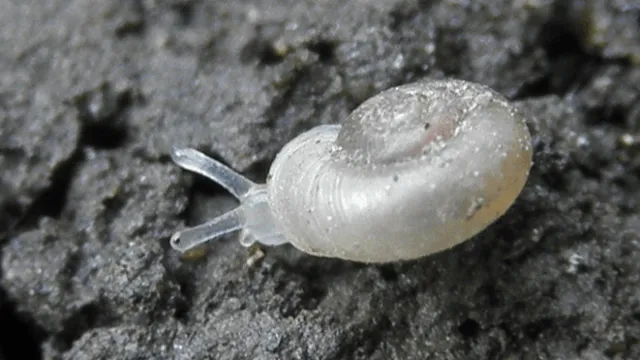
The smooth grass snail (Vallonia pulchella) is a tiny terrestrial gastropod mollusc belonging to the family Valloniidae (order Stylommatophora). Its shell is notably small, typically measuring between 2.0 and 2.5 mm in diameter, characterized by a flattened, discoidal shape.
The shell is thin, translucent, and pale horn-colored, featuring fine radial ribbing on the surface. The body of the snail is usually light grey or whitish, which provides effective camouflage against damp soil, leaf litter, and vegetation where it typically resides.
What it damages
This snail is a generalist feeder and can impact a variety of horticultural and agricultural crops, particularly in greenhouses and nurseries. It often feeds on emerging seedlings, succulent leaves, and tender shoots, causing significant stress to young plants.
Feeding results in irregular holes in foliage and the consumption of plant epidermis, which stunts development. These wounds create entry points for pathogens such as fungi and bacteria, leading to rot and further degrading the quality of the harvested produce.
When it appears
Activity is highly dependent on humidity and soil moisture levels. Vallonia pulchella is most active during warm, wet spring and summer months when it feeds and reproduces rapidly in favorable micro-climates.
During hot, dry spells or extreme winter cold, these snails retreat into the soil, under mulch, or within dense vegetation. They survive unfavorable conditions by entering a dormant state, emerging again as soon as the moisture levels in the environment rise.
Signs of infestation
The most reliable sign of a smooth grass snail infestation is the presence of dried, silvery mucus trails left on leaves and stems. Growers often notice ragged, small holes in young leaves appearing overnight or after rainy weather.
Adult snails can be detected by inspecting the underside of leaves near the soil surface or by moving mulch and debris where these small molluscs congregate. Dense populations often indicate a need for improved habitat management and moisture control.
Control measures
Effective management begins with reducing humidity and eliminating damp hiding spots like debris or weeds. Regular cultivation of the soil helps destroy snail eggs and disrupts their preferred habitats, reducing the overall population density.
Barriers such as wood ash, crushed eggshells, or diatomaceous earth can be placed around sensitive plants to discourage snail movement. If infestations reach critical levels, the use of targeted molluscicide baits may be required to protect crop yield.
Taxonomy
- Latin name
- Vallonia pulchella
- Order
- Molluscs
- Family
- Valloniidae
- EPPO code
- VALLPU
Discussion
No discussions yet — be the first.