
Acanthinula
Acanthinula
Description
How to identify
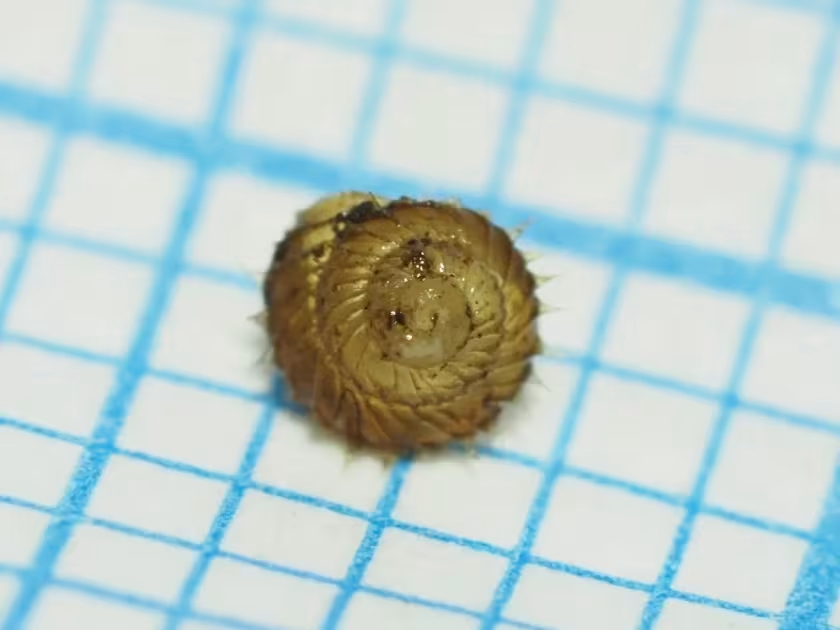
Acanthinula is a genus of minute land snails belonging to the family Valloniidae. These mollusks are characterized by their extremely small shells, which typically measure no more than 2 to 3 millimeters in height.
The shell of the Acanthinula species has a cuboidal or broadly conical shape, often featuring distinct radial ribs on the surface. Their coloration ranges from horny to brown, providing effective camouflage within soil litter.
The soft body of the snail is generally light gray. Due to their minuscule size, they are often overlooked or misidentified as juvenile individuals of larger snail species, which complicates early detection in agricultural settings.
Systematically, this genus belongs to the order Stylommatophora. They are cryptic organisms that prefer moist, shaded environments, a behavioral trait consistent with many members of the Valloniidae family.
These snails exhibit high adaptability to various microclimatic conditions, allowing them to thrive both in undisturbed forest ecosystems and in cultivated landscapes characterized by consistent soil moisture.
What it damages
Acanthinula snails are phytophagous and pose a threat to a variety of agricultural and ornamental plants. They primarily damage young seedlings and the tender leaf tissue of early-stage transplants.
They are particularly destructive in enclosed environments such as greenhouses and cold frames, where stable moisture levels in both soil and air favor their rapid reproduction and constant activity.
Significant damage is frequently observed on berry crops, such as strawberries, where the snails feed on delicate foliage and the berries themselves, reducing both the aesthetic appeal and marketability of the produce.
In addition to direct tissue consumption, the presence of these pests facilitates the transmission of fungal and bacterial pathogens through the micro-wounds caused by their radula while feeding.
In cases of high population density, these snails can destroy young plantings within a few days, leading to sparse crop stands that may require complete replanting or significant supplemental care.
When it appears
The activity level of Acanthinula is directly correlated with environmental conditions, particularly humidity. Their primary period of activity and reproduction occurs during the spring and summer months.
Peak damage usually coincides with periods of frequent rainfall or excessive irrigation, which encourage the snails to emerge from their subterranean hiding places to feed on host vegetation.
During daylight hours, they seek shelter under soil clumps, decaying leaves, or organic mulch to avoid direct sunlight, which can cause severe desiccation and death due to water loss.
They exhibit peak activity during evening and night hours, or on heavily overcast days. This is when they migrate across the garden to forage on succulent plant parts.
As temperatures decline in autumn, their metabolic processes slow down significantly. They overwinter in the adult or egg stage within the top layers of the soil or under plant debris, ensuring their survival until the next season.
Signs of infestation
The primary indicators of an Acanthinula infestation are irregular, jagged holes in plant leaves. Unlike insect pests that may leave clean-cut patterns, snails consume leaf tissue in a ragged, asymmetrical manner.
Dried, silvery slime trails on the leaf surface or the surrounding soil are characteristic signatures of gastropod activity, serving as a reliable early warning for the presence of these pests.
In heavily infested areas, young shoots may appear severely degraded, sometimes consumed down to the primary leaf veins, a phenomenon most noticeable in sensitive crops like leafy greens and brassicas.
Damage caused by these snails often leads to secondary decay in the plant tissue, as the residual slime creates an ideal humid micro-environment for opportunistic pathogens to colonize the wounds.
Direct inspection during the early morning hours or shortly after watering often reveals the snails themselves, usually on the underside of foliage or near the base of the plant stem.
Control measures
Effective management of Acanthinula centers on cultural and agrotechnical practices. Regular cultivation and tilling of the soil disrupt their hiding spots and destroy egg clusters located in the topsoil.
Gardeners should prioritize proper irrigation management to avoid waterlogged conditions and minimize plant density to reduce humidity around the base of the plants.
- Creating physical barriers using sharp sand or crushed gravel around garden beds, which effectively deters snail movement towards vulnerable crops.
- Deploying liquid traps, such as those containing yeast solutions or beer, which attract the snails and allow for their manual removal.
- Utilizing biological control agents, such as specialized predatory nematodes, which target gastropods while remaining safe for crops and beneficial insects.
In severe infestations, molluscicides containing metaldehyde may be used; however, application must strictly adhere to label directions to avoid residue issues in edible harvests.
Implementing a holistic strategy that combines garden sanitation with habitat disruption is the most sustainable and environmentally friendly approach to keeping Acanthinula populations under control.
Taxonomy
- Latin name
- Acanthinula
- Order
- Molluscs
- Family
- Valloniidae
- EPPO code
- AKNLSP
Discussion
No discussions yet — be the first.