
Vallonia
Vallonia
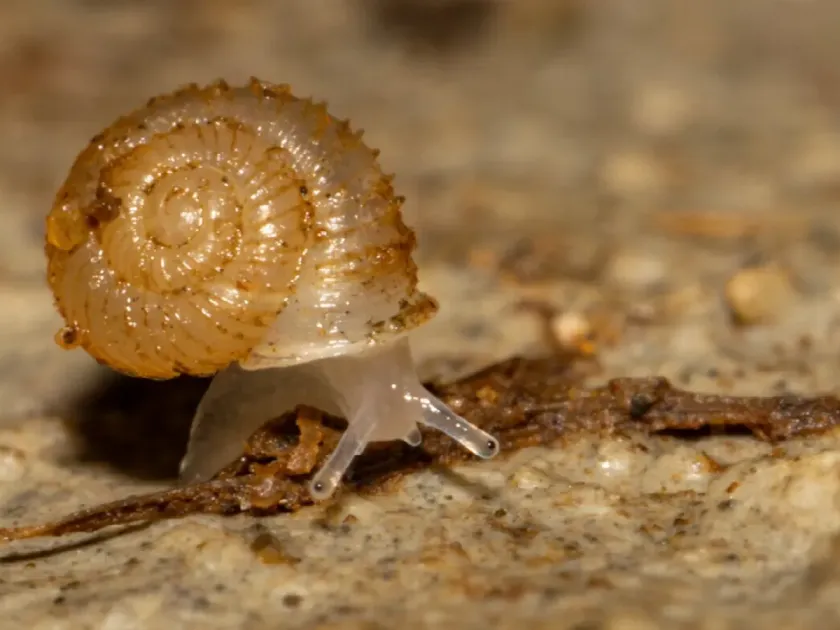
Description
How to identify
Vallonia is a genus of minute land snails belonging to the family Valloniidae. These are among the smallest air-breathing terrestrial mollusks found in agricultural environments.
The adult shell typically measures only 2 to 3 millimeters in diameter. Its shape is flattened or low-conical, usually horn-colored or pale brown with delicate radial striations.
Despite their size, they possess a relatively strong shell that helps protect them from environmental fluctuations. Their body is pale and soft, often blending into the soil substrate.
These mollusks favor moist, sheltered environments such as dense leaf litter, decaying organic matter, and the base of lush vegetation.
They reproduce rapidly under favorable humidity conditions, and being hermaphroditic, they can quickly build up large populations in garden and greenhouse settings.
What it damages
Vallonia snails primarily act as detritivores, but they are also recognized as opportunistic pests that feed on living plant tissues when organic matter is scarce.
They are particularly damaging to young seedlings and greenhouse-grown leafy vegetables, causing small, irregular holes in the cotyledons and early leaves.
Heavy infestations can result in stunted plant growth and widespread necrosis at the base of the stems, especially in young transplants.
Their presence often facilitates the entry of secondary pathogens, such as fungi and bacteria, which cause rot in the damaged plant tissues.
In floral crops, they can feed on growing points, disrupting normal development and significantly reducing the aesthetic quality of the plants.
When it appears
The activity of Vallonia snails is strictly regulated by moisture and temperature levels throughout the growing season.
During spring, warming temperatures and rainfall stimulate the emergence of adults and the start of the breeding cycle.
Hot and dry summer weather limits their surface activity, forcing them to retreat deep into the soil or under dense cover where humidity persists.
Increased humidity during autumn promotes a resurgence in feeding activity as they prepare for the upcoming winter dormant period.
Throughout winter, they remain inactive in protected sites such as deep soil crevices or layers of decaying vegetation until conditions allow for activity again.
Signs of infestation
Early symptoms of a Vallonia infestation include small, punctate holes on leaves that are often confused with damage caused by tiny chewing insects.
Look for thin, silvery trails of dried mucus on the surface of leaves, stems, or the surrounding soil area near the plants.
Checking the plants during early morning or evening hours can reveal the presence of these tiny mollusks clustering at the base of the stems.
Stunted growth or unexplained yellowing of seedling tissues can also point to high local populations of these snails in the root zone.
In greenhouses, check the undersides of pots and the edges of planting trays, as these are preferred microhabitats for the snails.
Control measures
Effective management requires a combination of cultural practices focused on disrupting the snail's preferred humid environment.
- Practice rigorous sanitation by removing garden debris, weeds, and decaying vegetation.
- Regularly till and cultivate the soil to destroy habitats and expose snails to natural predators.
- Install physical barriers such as crushed eggshells or coarse sand to hinder their movement.
- Deploy simple traps, such as moistened cardboard or wooden boards, to collect and remove individuals.
- Use specific molluscicides cautiously as a last resort in cases where significant economic damage is imminent.
Taxonomy
- Latin name
- Vallonia
- Order
- Molluscs
- Family
- Valloniidae
- EPPO code
- VALLSP
Discussion
No discussions yet — be the first.