
Urophora
Urophora
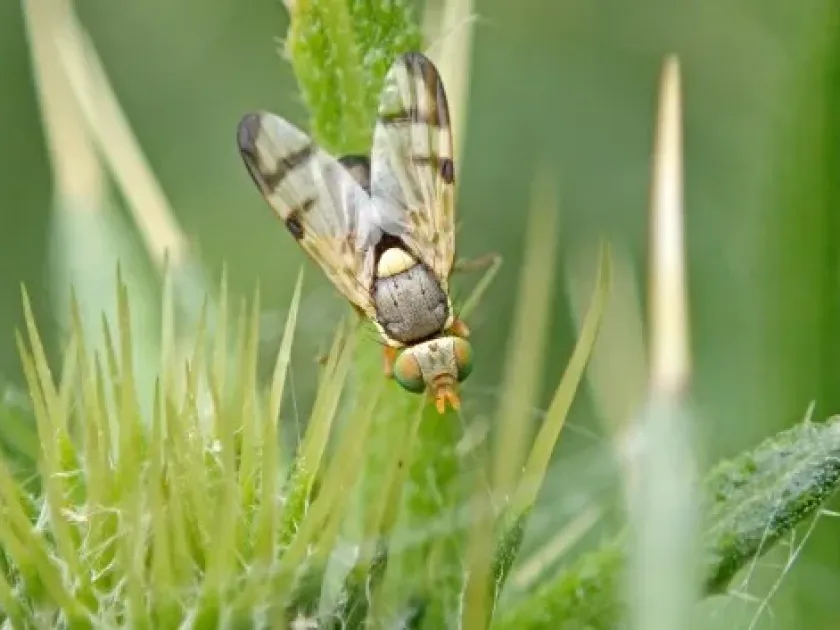
Description
How to identify
Urophora is a genus of fruit flies belonging to the Tephritidae family. Adult flies are easily recognized by the complex, dark patterns on their wings, which serve as a camouflage mechanism. These insects are relatively small, often going unnoticed by farmers until a significant infestation has already occurred within the crop field.
The larvae are small, legless organisms that specialize in living inside plant tissues. They induce the host plant to create a gall—a specialized tumor-like structure that provides both protection from natural predators and a constant supply of nutrients required for the larvae to develop into pupae successfully.
What it damages
This pest primarily targets plants within the Asteraceae family. While it often affects wild weeds like thistles and knapweeds, it can also pose a threat to various cultivated crops with similar floral structures, potentially reducing seed yields and compromising the quality of harvests in affected fields.
The larvae cause direct damage by feeding on the floral receptacle and developing seeds within the flower heads. This feeding behavior not only destroys the seeds but also disrupts the normal development of the flower, leading to the formation of galls that replace the healthy tissue of the plant.
When it appears
The life cycle of Urophora is strictly synchronized with the phenology of its host plants. Adult flies typically emerge during the late spring or early summer, corresponding with the budding and flowering period of the target plants, which is the optimal time for the females to deposit eggs into new flower heads.
Once the egg is deposited, the larvae develop inside the gall throughout the season. Most Urophora species overwinter as larvae or pupae tucked away inside the hardened, dried-out seed heads that remain on the plant stalks, providing them with shelter against cold winter temperatures.
Signs of infestation
The most reliable sign of a Urophora infestation is the presence of hard, swollen galls on the flower heads. These structures are distinct, misshapen, and significantly different from the normal appearance of healthy blossoms. In many cases, these galls inhibit the flower from opening or maturing correctly.
Other symptoms include stunted growth of the flower heads, early browning, or premature drying of the affected plant parts. Upon close inspection of the infested flower head, one may find small exit holes where the adult fly has emerged after completing its metamorphosis cycle within the gall chamber.
Control measures
The primary control strategy against Urophora involves good agricultural practices. Implementing strict weed management and mowing down wild host plants before the seeds reach maturity is essential to break the fly's life cycle and prevent the successful development of the next generation of insects.
Chemical control is rarely recommended due to the specific protection offered by the gall structure, which limits the efficacy of contact insecticides. In some instances, Urophora is considered a beneficial biological control agent, as it helps suppress the population of invasive weed species in pastures and non-crop areas.
Taxonomy
- Latin name
- Urophora
- Order
- Diptera (flies)
- Family
- Tephritidae
- EPPO code
- URORSP
Discussion
No discussions yet — be the first.