
Trupanea amoena
Trupanea amoena
Description
How to identify
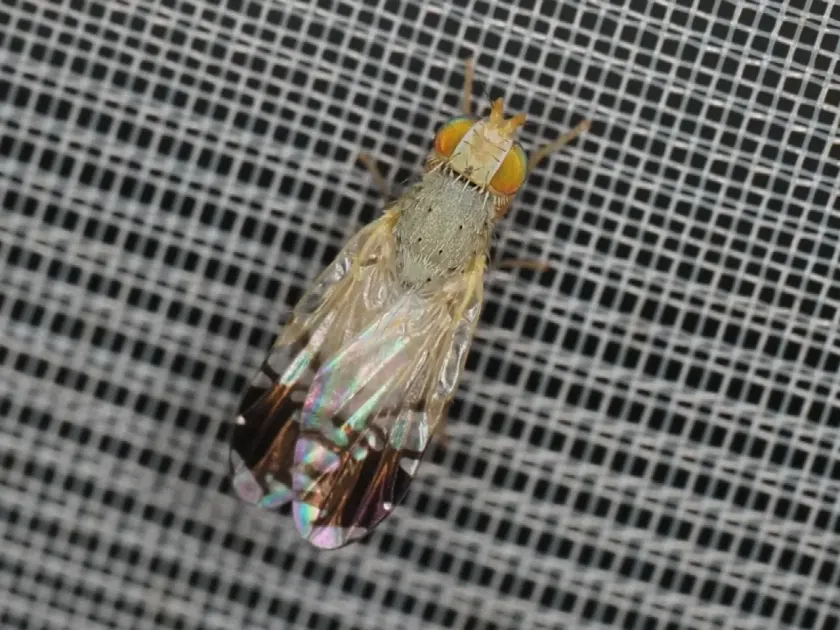
Trupanea amoena is a species of fruit fly belonging to the family Tephritidae, order Diptera. These flies are well-known for their intricately patterned wings, which feature spots and bands unique to the species.
The adult fly is relatively small with a brownish or yellowish body, allowing it to blend seamlessly with the floral structures of its host plants.
The larvae are cream-colored, legless maggots that specialize in feeding on the internal tissues of flowering plants, particularly within the heads of Asteraceae.
Female flies possess a sharp ovipositor, which they use to insert eggs into the unopened buds or young flower heads of the host plant.
The life cycle is closely synchronized with the host plant's blooming period, ensuring the larvae have ample nutritional resources to complete their development.
What it damages
The primary hosts of this pest include plants in the Asteraceae family, such as sunflowers, chrysanthemums, and various wild asters.
Larvae feed directly on the ovules and developing seeds within the flower heads, leading to significant yield loss and reduced seed viability.
The damage caused by feeding activity often results in stunted or deformed flower development, making the plants visually unappealing and structurally weak.
The presence of larvae frequently creates entry points for secondary infections by fungi and bacteria, which can cause the flower head to rot completely.
In cases of heavy infestation, seed production can be severely impacted, posing a challenge for both commercial flower growers and seed production enterprises.
Signs of infestation
Early symptoms include slight deformations in the shape of the flower heads or unexpected browning of the bracts during the budding phase.
Close inspection of the flower head may reveal tiny puncture marks or small entry holes where the female fly has deposited her eggs.
If the flower head is dissected, one can observe internal tunneling and the presence of larvae, along with frass or decaying plant tissue.
Premature wilting or localized dying of the flower disk is a clear indicator that the larvae are active and consuming internal nutrients.
In advanced stages, the structural integrity of the flower head is compromised, often leading to the collapse or premature shedding of the florets.
Control measures
Sanitation is a critical control measure, involving the systematic removal and destruction of crop debris where pupae may overwinter.
Implementing a rigorous crop rotation schedule helps reduce the local population of the pest by eliminating host availability in subsequent seasons.
Chemical control, if necessary, should be targeted at the adult fly stage during the pre-oviposition period to prevent egg laying in the flower buds.
Weed management, specifically removing wild Asteraceae species around the field, is essential to decrease the reservoir populations of the fly.
Encouraging the presence of natural predators, such as parasitic wasps, can help suppress the population of the pest in more sustainable agricultural systems.
Taxonomy
- Latin name
- Trupanea amoena
- Order
- Diptera (flies)
- Family
- Tephritidae
- EPPO code
- TRUPAM
Discussion
No discussions yet — be the first.