
Trichostrongylus vitrinus
Trichostrongylus vitrinus
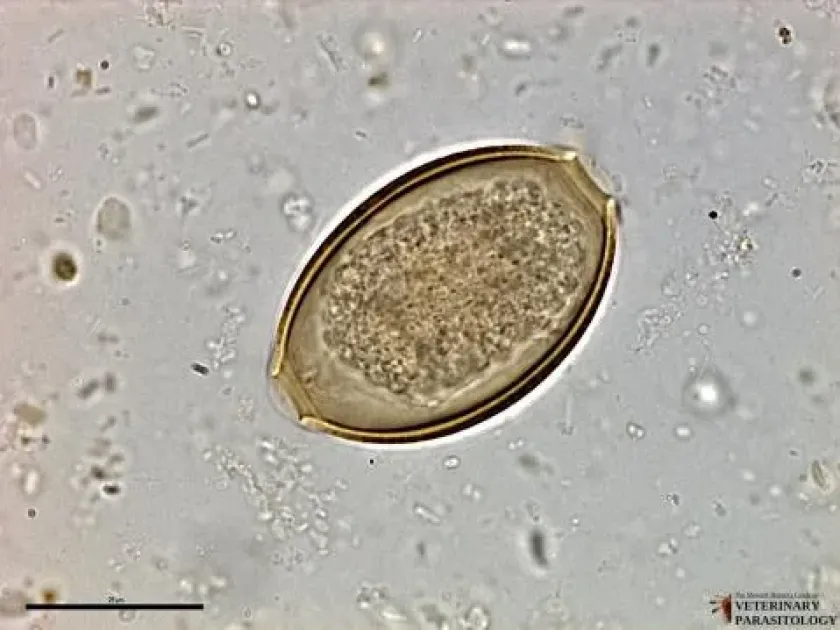
Description
How to identify
Trichostrongylus vitrinus is a parasitic nematode belonging to the order Strongylida and the family Trichostrongylidae. These small, hair-like worms typically measure about 5 to 8 millimeters in length.
They inhabit the small intestine of ruminant animals. Their slender morphology allows them to reside close to the mucosal lining, where they feed and complete part of their biological cycle.
What it damages
The primary hosts for this parasite include sheep, goats, and occasionally cattle. It represents a significant challenge for pastoral livestock farming worldwide due to its impact on animal welfare.
By causing intestinal damage, the parasite hinders nutrient absorption, leading to reduced productivity. The economic impact is felt through lower growth rates and reduced yield of wool and meat.
When it appears
The life cycle is heavily influenced by climatic conditions, with higher infection rates occurring in moist and temperate environments. The infective larvae survive in the grass during the grazing season.
Infestation generally occurs during spring and summer when animals graze on contaminated pastures. The presence of stagnant moisture on the field significantly increases the survival of larvae.
Signs of infestation
Symptoms of infestation include persistent diarrhea, significant weight loss, and general lethargy. The affected animals often display pale mucous membranes due to secondary anemia.
Young livestock are particularly susceptible, often failing to thrive or show stunted growth. Without appropriate management, the condition can progress to severe emaciation and death.
Control measures
Effective control is achieved through routine deworming with anthelmintic medication tailored to the livestock species. Strategic treatments before moving animals to new pastures are essential.
Management strategies also involve pasture rotation to disrupt the parasite's life cycle and reduce the concentration of larvae on the ground. Maintaining high standards of hygiene in livestock shelters also helps mitigate risk.
Taxonomy
- Latin name
- Trichostrongylus vitrinus
- Order
- Nematodes
- Family
- Trichostrongylidae
- EPPO code
- TRHGVI
Discussion
No discussions yet — be the first.