
Ostertagia
Ostertagia
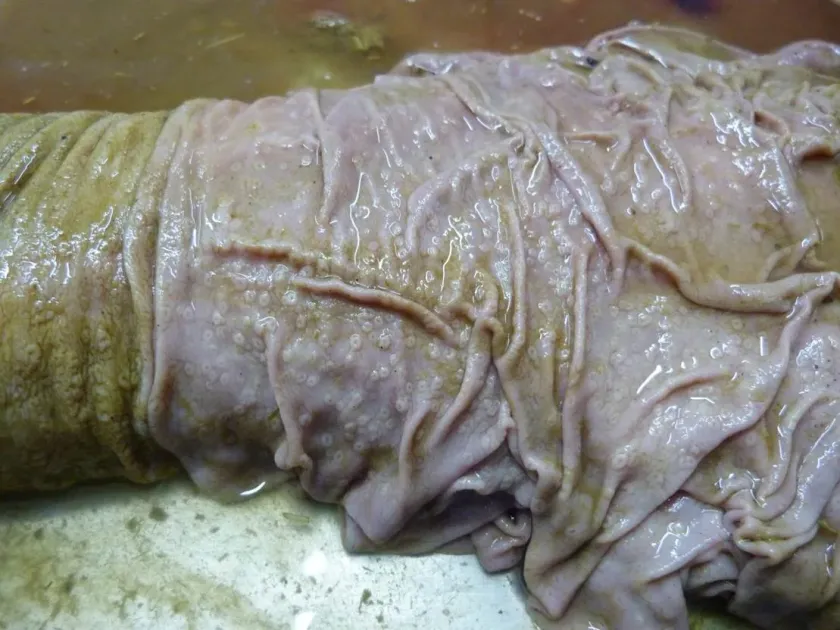
Description
How to identify
Ostertagia is a genus of parasitic nematodes belonging to the family Trichostrongylidae. These small, hair-like worms are major pathogens in ruminant livestock.
Adult worms are brownish or reddish in color and measure about 6 to 10 millimeters in length. Males are characterized by a prominent copulatory bursa with two spicules.
The life cycle is direct, meaning the parasite does not require an intermediate host. This allows for rapid population growth under suitable environmental conditions.
Adults inhabit the abomasum of cattle, sheep, and goats, where they adhere to the gastric glands to feed and reproduce.
The survival of larvae on pastures is highly dependent on environmental moisture and temperature, influencing the overall incidence of the infection.
What it damages
These nematodes cause a disease known as ostertagiasis, which primarily affects the abomasum, leading to severe disruption of the host's digestive system.
The parasites damage the gastric glands, causing them to lose their function, which leads to increased pH levels in the stomach and improper protein digestion.
Infection results in poor weight gain, stunted growth in calves, and significant reductions in milk production in dairy cows.
Damage to the mucosal lining causes inflammation, protein leakage into the gut, and overall systemic health decline in the infected animal.
High parasite loads can lead to mortality if left untreated, causing substantial economic losses for the livestock and cattle industries globally.
When it appears
The risk of infection is highest during the grazing season when climatic conditions favor the migration of larvae from feces onto the grass blades.
Spring and autumn are typically the peak periods for transmission, as moderate temperatures and rainfall provide an ideal environment for larval survival.
During dry, hot summers, larval activity may decrease, but irrigated or damp pastures can maintain high infection pressure throughout the year.
The transition from egg to infective third-stage larva can occur in as little as one to two weeks, facilitating multiple generations in a single grazing season.
In winter, larvae can survive in the host tissues in a dormant state known as hypobiosis, resuming development when conditions improve in the spring.
Signs of infestation
The hallmark of an Ostertagia infection is progressive diarrhea, leading to rapid weight loss and dehydration in the affected animals.
Visible signs include a dull and rough hair coat, lethargy, and a lack of proper muscle development, particularly in young calves.
In advanced cases, animals may exhibit submandibular edema, often referred to as "bottle jaw," resulting from significant protein loss.
Clinical diagnosis often relies on a combination of fecal egg counts and the observation of poor herd performance in pasture-based systems.
- Persistent diarrhea and loss of appetite.
- Significant weight loss and emaciation.
- Anemia and pale mucous membranes.
- Reduced milk yield and poor growth rates.
Control measures
Effective control strategies rely on the administration of anthelmintic medications, typically provided in scheduled deworming programs.
Pasture management is crucial; rotational grazing helps reduce the exposure of livestock to high densities of infective larvae on the field.
Maintaining proper stocking density prevents overgrazing, which forces animals to feed closer to the ground where larval concentrations are highest.
Sanitation practices, such as proper manure management and preventing cattle from accessing stagnant water sources, significantly limit parasite spread.
Regular monitoring through veterinary consultation and fecal testing is essential for designing site-specific parasite control programs.
Taxonomy
- Latin name
- Ostertagia
- Order
- Nematodes
- Family
- Trichostrongylidae
- EPPO code
- OSTESP
Discussion
No discussions yet — be the first.