
Ostertagia
Ostertagia ostertagi
Description
How to identify
Ostertagia ostertagi is a parasitic nematode belonging to the Trichostrongylidae family. It is widely recognized as the most economically significant gastrointestinal parasite affecting cattle worldwide.
These worms are small, brownish-red in color, and typically measure between 6 to 10 millimeters in length. They reside primarily in the abomasum (the true stomach) of the bovine host.
The life cycle is direct and does not require an intermediate host. Eggs are shed in feces and develop into infective third-stage larvae within the pasture environment under favorable conditions.
Once ingested by cattle during grazing, the larvae penetrate the gastric glands, where they undergo further maturation into adult worms, completing the reproductive cycle.
Belonging to the order Strongylida, this nematode is highly resilient, capable of surviving in the soil for several months, posing a continuous threat to livestock.
What it damages
The parasite exclusively affects cattle, causing a disease known as ostertagiasis. This condition significantly impairs the digestive function of the animal, leading to profound physiological changes.
Young cattle are particularly susceptible because they lack acquired immunity. Infection often results in poor weight gain and significant production losses in beef and dairy herds.
Adult cattle, while often showing fewer symptoms, act as reservoirs for the parasite. They continuously contaminate the environment with eggs, sustaining the infection cycle in the herd.
The damage is caused when larvae destroy the gastric glands in the abomasum. This leads to reduced acidity in the stomach, which is essential for protein digestion and mineral absorption.
As the disease progresses, the metabolic impact causes severe protein loss, significantly weakening the immune system and overall vitality of the infected animals.
Signs of infestation
Clinical signs of ostertagiasis include persistent watery diarrhea, rapid weight loss, and general lethargy. The animals fail to thrive despite having access to adequate nutrition.
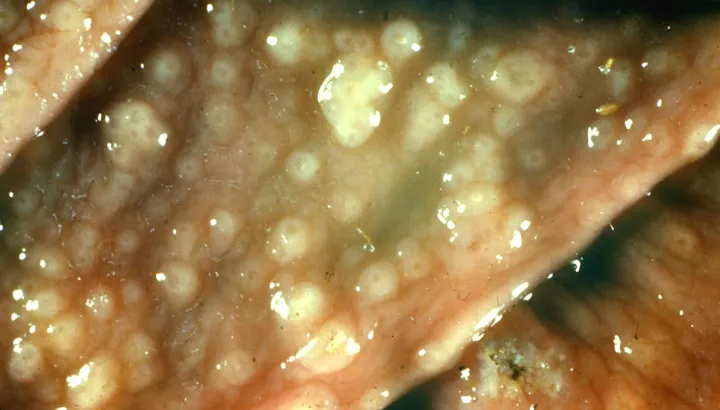
The characteristic appearance of the abomasal lining, often described as "Morocco leather," occurs due to the hyperplasia of the epithelium caused by the developing larvae inside the gastric glands.
Low serum albumin levels are a hallmark of the infection, often leading to submandibular edema, commonly referred to as "bottle jaw," which is a late-stage clinical sign.
Infected animals may also exhibit signs of anemia, dull and rough hair coats, and a reduced appetite, which exacerbates the nutritional deficit caused by the parasite.
- Chronic diarrhea.
- Significant weight loss.
- Submandibular edema (bottle jaw).
- Reduced milk production.
- Poor body condition score.
Control measures
Control measures primarily rely on strategic anthelmintic treatments. Using effective dewormers at critical times of the year is essential to reduce the parasite burden on pastures.
Pasture management plays a crucial role. Rotational grazing and avoiding overcrowding can help prevent the accumulation of infective larvae on the grazing area.
Improving the drainage of pasture lands is beneficial, as wet and muddy environments provide the optimal conditions for larval survival and migration.
Monitoring fecal egg counts is an important diagnostic tool. It allows farmers to assess the level of contamination and make data-driven decisions about the timing of treatments.
Integrated pest management strategies should be implemented, combining chemical treatments with sound agricultural practices to minimize the reliance on anthelmintics over time.
Taxonomy
- Latin name
- Ostertagia ostertagi
- Order
- Nematodes
- Family
- Trichostrongylidae
- EPPO code
- OSTEOS
Discussion
No discussions yet — be the first.