
Winter gnat
Trichocera hiemalis
Description
How to identify
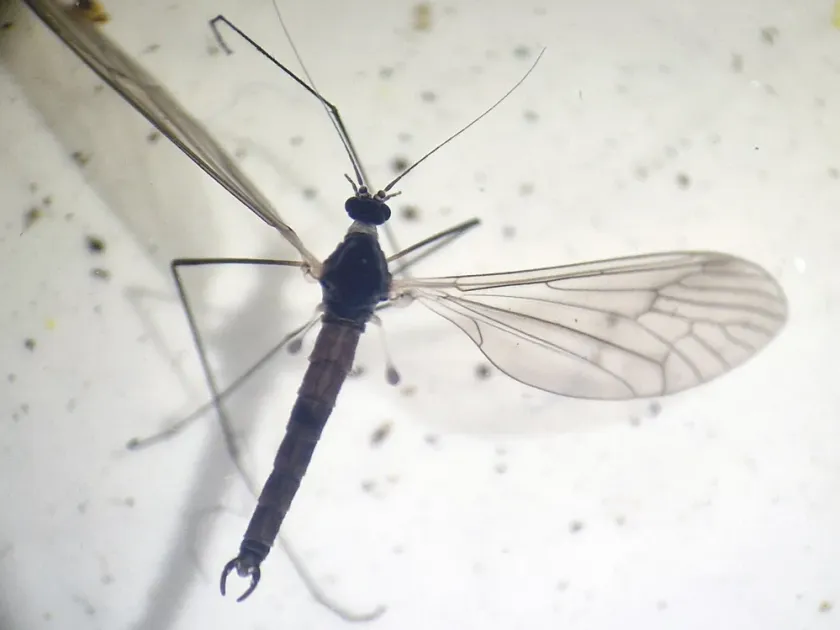
The Winter gnat (Trichocera hiemalis) belongs to the Trichoceridae family within the Diptera order. These insects are small flies that resemble common crane flies but are uniquely adapted to remain active during cold weather, often appearing near freezing temperatures.
Adults possess slender bodies and elongated legs. They are frequently observed in small swarms during winter thaws. In contrast, the larvae lead a cryptic existence within the soil, feeding primarily on decaying organic matter, which often masks their presence until damage occurs.
The life cycle encompasses egg, four larval instars, pupal, and adult stages. Because this species is highly adapted to low temperatures, it can successfully inhabit substrates and environments that are generally inhospitable to other common greenhouse pests.
Key breeding habitats include moist, humus-rich soil, damp basements, greenhouse environments, and vegetable storage facilities. In controlled environments, they can breed almost continuously throughout the year if moisture and organic nutrition remain available.
While the species is primarily associated with the breakdown of plant debris, high population densities can lead to larvae feeding on healthy plant tissues. This behavioral shift marks their transition from harmless decomposers to significant agricultural pests.
What it damages
The Winter gnat causes damage primarily to vegetable crops grown in greenhouses and stored root vegetables. Vulnerable crops include potatoes, carrots, bulbous plants, and various members of the cabbage family.
Damage is inflicted by larvae that tunnel through the underground parts of plants. This activity weakens the plant's natural defenses, creating entry points for secondary infections such as bacterial soft rots and various fungal diseases.
In storage facilities, the larvae can rapidly spoil a significant portion of the harvest by consuming the interior of root crops. This leads to substantial economic losses, as damaged produce quickly loses its marketability and nutritional value.
Within greenhouse operations, the larvae may chew through the root collars of seedlings. This often results in the sudden wilting and collapse of young plants, causing major gaps in production rows during the sensitive early growth phase.
Infected tissues deteriorate rapidly due to the proliferation of microorganisms, which often hides the initial cause of damage. Consequently, entire crop segments can be compromised before the underlying infestation is identified.
Signs of infestation
A primary indicator of an infestation is the presence of numerous adult gnats within greenhouses or storage areas during the winter and early spring months. The emergence of swarms is a signal to begin immediate monitoring procedures.
The presence of small, pale larvae with distinct head capsules within the soil or on the surfaces of root vegetables confirms colonization. Larvae typically congregate in damp areas with high levels of organic decay.
Visible ulcerations or tunnels on root crops, often filled with larval excrement, are definitive signs of infestation. These areas are prone to rapid colonization by fungi, which manifest as dark, sunken spots on the produce.
Sudden wilting of seedling clusters, despite appropriate irrigation, warrants a thorough inspection of the root system. If the roots show signs of chewing or rot, it is highly likely that larvae are present in the growing medium.
A pungent, musty odor in storage facilities, paired with the discovery of larvae in slightly damaged vegetables, indicates a severe infestation level that requires urgent sanitary and intervention measures.
Control measures
The most critical management practice is the maintenance of strict phytosanitary standards. Regular removal of plant debris and organic waste from greenhouses and storage sheds is essential to eliminate larval food sources and wintering sites.
Managing moisture levels in both soil and air is highly effective. By keeping substrates well-drained and the atmosphere less humid, the development rate of larvae is significantly hampered, reducing the likelihood of secondary infections.
For chemical control, use registered insecticides approved for greenhouse applications that target Diptera. Treatments are most effective when applied at the first sign of adult activity to prevent widespread egg-laying.
Agrotechnical methods such as deep soil cultivation and allowing greenhouses to freeze during winter are powerful tools for population reduction. These actions physically disrupt larval habitats and increase mortality rates.
The use of biological control agents, specifically entomopathogenic nematodes, is an excellent strategy for sustainable agriculture. These nematodes actively seek out and parasitize larvae within the soil, providing a targeted and environmentally safe management solution.
Taxonomy
- Latin name
- Trichocera hiemalis
- Order
- Diptera (flies)
- Family
- Trichoceridae
- EPPO code
- PETAHI
Discussion
No discussions yet — be the first.