
Oak leaf miner
Tischeria zelleriella
Description
How to identify
The oak leaf miner, scientifically known as Tischeria zelleriella, belongs to the family Tischeriidae within the order Lepidoptera. These are tiny moths with a wingspan of approximately 7 to 9 millimeters, making them difficult to spot in nature.
Adult moths feature narrow wings with a distinctive fringe and are typically colored in shades of ochre-grey or brown. Their appearance is inconspicuous, allowing them to blend in effectively with tree bark and foliage during the daylight hours.
The larvae, or caterpillars, possess flattened bodies adapted for life inside the leaf tissue. They are equipped with strong chewing mouthparts that enable them to excavate tunnels, or "mines," between the leaf layers.
Pupation occurs inside the leaf, within a protective silken cocoon. This stage is particularly vulnerable to environmental fluctuations, which play a crucial role in the survival rate of the moth population throughout the season.
Identification is primarily based on the specific shape of the mines on the leaf surface, as the adult moths are rarely observed without the use of specialized entomological traps or professional surveys.
What it damages
The primary host for this pest is the English oak (Quercus robur) and related species within the genus Quercus. Infestations are frequently found in urban parks, forests, and nursery environments where trees are vulnerable.
The larvae feed on the leaf parenchyma, removing the tissue between the upper and lower epidermis. This activity significantly impairs the tree's ability to perform photosynthesis and manage water transpiration effectively.
The damage manifests as premature yellowing and leaf drop. Weakened trees become highly susceptible to secondary pests, such as wood-boring insects, and various fungal pathogens that can lead to branch dieback.
In cases of heavy infestation, the crown may lose a significant portion of its foliage. This leads to a severe reduction in vigor, making the tree less capable of surviving harsh winters or periods of extreme drought.
The loss of aesthetic value is a significant concern in landscape architecture and urban forestry, where the health and appearance of oak trees are essential for the surrounding ecosystem and human recreation.
When it appears
The life cycle of the oak leaf miner is synchronized with the phenology of the host oak trees. Adult emergence usually coincides with the spring budding phase when young leaves are readily available for egg-laying.
Larval activity occurs throughout the warm summer months. Depending on the geographical region and climate, the species may produce one or two generations per growing season.
The insect overwinters as a pupa or mature larva within fallen leaves on the forest floor. The presence of leaf litter is essential for the pest's survival, as it provides both shelter and humidity during the winter months.
The peak of damage typically occurs in July and August, when the mines reach their maximum size and are most visible to observers. This is also the period when the negative impact on the tree's physiology is greatest.
Weather patterns, particularly long and hot summers, can accelerate the life cycle, leading to higher population densities and more widespread leaf damage across the host population.
Signs of infestation
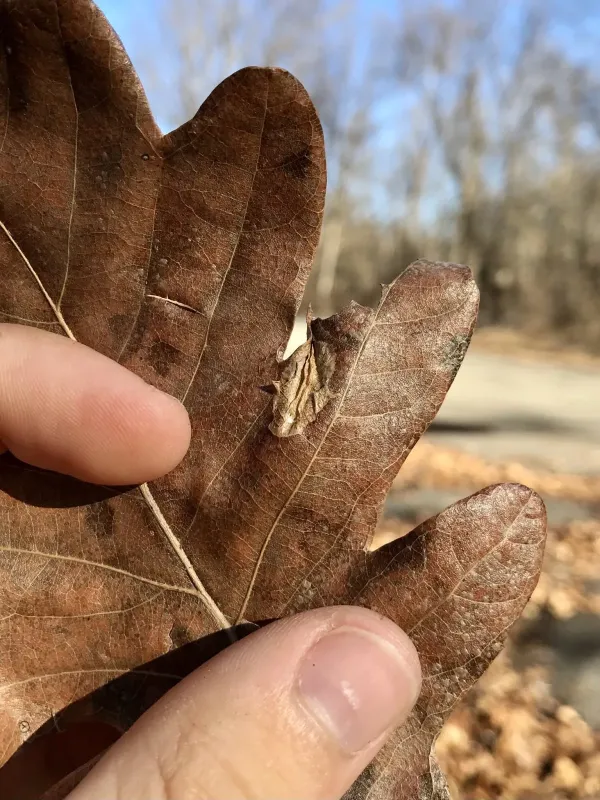
The primary sign of infestation is the presence of distinct mines on the leaves. These look like irregularly shaped blotches, often with dark centers containing larval excrement, which are diagnostic of the pest.
As the larvae feed, the leaf tissue becomes thin, translucent, and yellowed. In heavily infested leaves, the foliage may curl or become distorted, leading to a ragged appearance that is easily spotted from the ground.
Examining a leaf against light often reveals the presence of the larvae or their tunnels. This visual verification is the most reliable way to confirm the cause of the yellowing when other stressors are present.
At the end of the season, fallen leaves bearing these mines serve as an indicator of a successful overwintering site. High numbers of these leaves on the ground suggest an increased risk of infestation for the following year.
- Irregular blotch-shaped mines on leaves.
- Premature yellowing and browning of foliage.
- Deformed or curled leaf blades.
- Reduced vigor and annual growth rate.
Control measures
The most effective cultural control method is the thorough collection and destruction of fallen leaves in the autumn. By removing the litter, the overwintering population is significantly reduced, limiting the next generation.
Biological control using Bacillus thuringiensis (Bt) is highly recommended. These microbial pesticides target the larvae while remaining safe for non-target species, beneficial predators, and the surrounding environment.
Chemical control can be utilized in cases of severe infestation. Systemic insecticides may be applied via crown spraying during the period of adult flight or early larval development to prevent extensive leaf damage.
Pheromone trap monitoring is vital for timing control measures. By tracking adult population dynamics, arborists can apply treatments only when necessary, saving costs and reducing the reliance on broad-spectrum chemicals.
Promoting the presence of natural enemies, such as parasitic wasps, is a key component of integrated pest management. Maintaining a diverse ecosystem helps suppress the population naturally without the need for intensive chemical intervention.
Taxonomy
- Latin name
- Tischeria zelleriella
- Order
- Lepidoptera (butterflies)
- Family
- Tischeriidae
- EPPO code
- TISCZE
Discussion
No discussions yet — be the first.