
Northern pocket gopher
Thomomys talpoides
Description
How to identify
The northern pocket gopher (Thomomys talpoides) belongs to the Geomyidae family and is a member of the order Rodentia. These mammals are highly specialized for an underground lifestyle.
They possess strong forelimbs with long, sharp claws specifically designed for digging extensive tunnel systems. A diagnostic feature is their external, fur-lined cheek pouches used for transporting food.
The eyes and ears of these rodents are reduced in size, an adaptation to living in dark, subterranean environments. Their fur color ranges from pale gray to dark brown, helping them blend into soil substrates.
Adult gophers typically measure 20 to 25 cm in length, including their short tails. Unlike moles, which are primarily insectivorous, gophers are herbivores, which poses a significant threat to agricultural crops.
Gophers are solitary creatures, each maintaining an individual burrow system. They construct complex networks of tunnels that can extend over long distances, depending on food availability in the area.
What it damages
The northern pocket gopher causes extensive damage by feeding on the root systems, tubers, and rhizomes of various plants. They are significant pests in agricultural fields and home gardens.
Commonly damaged crops include potatoes, carrots, beets, and onions. Additionally, gophers often gnaw on the roots of young trees and shrubs, frequently causing plant death or stunted growth.
Tunneling activities disrupt the soil structure, leading to reduced moisture retention and poor aeration. Roots exposed within tunnel systems often die due to a lack of contact with nutrient-rich soil.
In pastures and meadows, gophers destroy root structures of forage grasses, leading to reduced yields and soil erosion. Their mounds also interfere with mechanical harvesting equipment, causing damage to machinery.
During the winter months, gophers remain active beneath the snowpack. They may girdle the roots and lower stems of woody plants, which often leads to total plant loss by the time spring arrives.
Signs of infestation
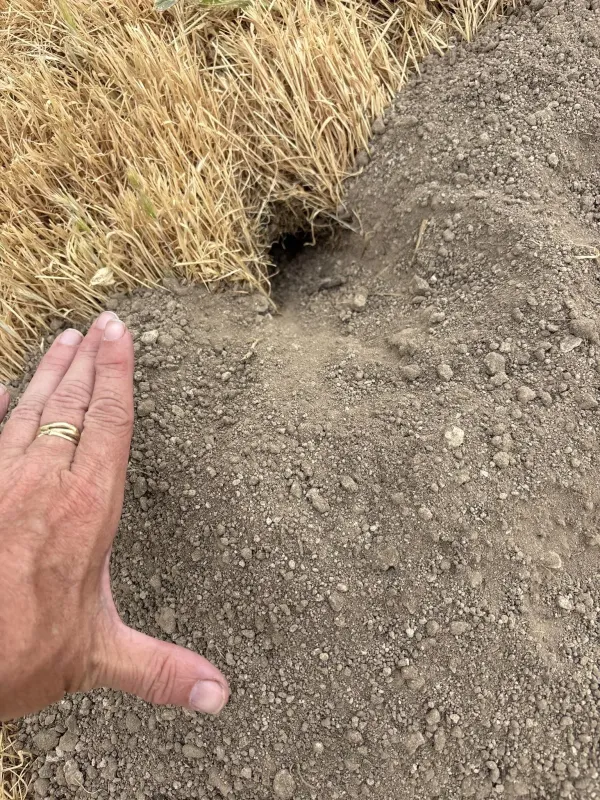
The most prominent sign of gopher activity is the presence of crescent or horseshoe-shaped soil mounds. These mounds usually feature a central plug, which is a dirt fill over the tunnel entrance.
Surface ridges are often visible, formed when gophers push loose soil into old, unused tunnels. This tunneling pattern is distinct from the vertical mounds created by moles.
Sudden wilting of healthy plants is a primary indicator of gopher presence. If a plant can be easily pulled from the ground, it is a clear sign that the root system has been consumed by a gopher.
Sunken areas in the soil, known as tunnel depressions, occur where main corridors have collapsed. These can create tripping hazards and destabilize the topsoil layer in gardens and fields.
Early spring is the period when signs are most visible. After the snow melts, gophers increase their activity to expand their burrow networks, resulting in a sudden appearance of fresh soil mounds.
Control measures
Mechanical trapping is the most effective method for controlling gopher populations. Traps are placed inside the active main tunnel, following specific instructions to ensure they are properly triggered.
Poison baits can be used, but must be placed deep within the tunnel system. It is critical to follow safety guidelines to prevent accidental poisoning of non-target wildlife or domestic pets.
Physical barriers such as underground wire mesh fencing are highly effective for small gardens. Installing the mesh to a depth of at least 60 cm prevents gophers from tunneling into the area.
Cultural practices like frequent tillage and weed control make the environment less hospitable for gophers. Ultrasonic devices can also be used as a supplementary deterrent in some garden settings.
When dealing with large-scale infestations, fumigation of tunnels with registered gases may be necessary. A combination of trapping and habitat modification generally yields the best results.
Taxonomy
- Latin name
- Thomomys talpoides
- Order
- Rodents
- Family
- Geomyidae
- EPPO code
- THMSTA
Discussion
No discussions yet — be the first.