
Gophers
Geomys
Description
How to identify
Gophers, scientifically known as members of the genus Geomys, are solitary, burrowing rodents belonging to the Geomyidae family.
They are characterized by their stocky bodies, small eyes and ears, and powerful, clawed front paws designed for efficient tunneling through various types of soil.
The most distinctive feature of the gopher is the external, fur-lined cheek pouches used for transporting food and soil, which distinguish them from other fossorial rodents.
These animals spend almost their entire lives underground, creating elaborate tunnel systems that can stretch for hundreds of feet across an agricultural field or garden.
Due to their solitary nature, each gopher typically defends its own territory, which means that observing a localized area of damage often points to one or two individuals.
What it damages
Gophers are significant agricultural pests that feed primarily on roots, tubers, bulbs, and rhizomes of many valuable food and ornamental crops.
They frequently attack fruit trees by gnawing on the bark of roots and the root crown, often killing the tree quickly by severing the nutrient supply.
Vegetable crops, including carrots, potatoes, and beets, are favorite targets, leading to total yield loss as the rodents consume the edible parts below ground.
Beyond direct feeding, the burrowing activity causes significant structural damage to soil, leading to irrigation water loss and disrupted crop root environments.
Furthermore, their mounds are highly problematic for mechanical harvesting equipment, as they can cause damage to mower blades and interfere with soil cultivation processes.
Signs of infestation
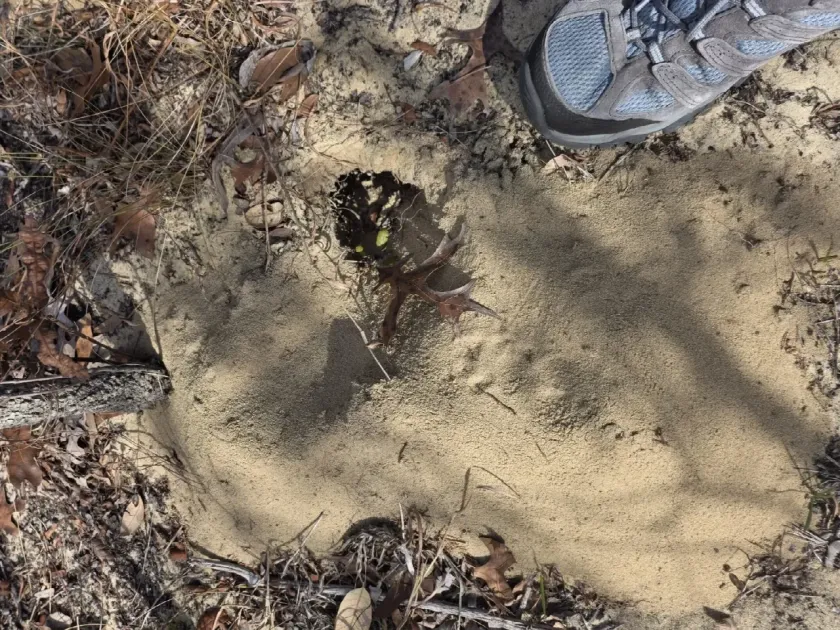
The primary sign of a gopher infestation is the presence of horseshoe-shaped mounds of soil, which are usually pushed out of the tunnels at an angle.
Unlike mole hills, which are typically volcano-shaped and symmetrical, gopher mounds are flat and have an off-center entrance plug that is easily identified.
Plants that suddenly wilt, disappear into the ground, or show signs of being pulled downward are clear indicators of a gopher feeding directly underneath.
Surface tunnels can often be identified as raised ridges of soil, which may become more apparent after irrigation or heavy rainfall causes the soil to settle.
Abandoned mounds and interconnected tunnel networks create soft spots in the ground, making walking or operating machinery on the affected plot risky.
Control measures
Mechanical trapping remains the most effective control method, using specialized traps placed directly within the active main tunnels to capture the rodent.
Exclusion is a vital strategy for protecting trees; surrounding root balls with sturdy wire mesh or hardware cloth effectively prevents gophers from reaching the roots.
Cultural control practices, such as maintaining a buffer zone around gardens or using specific repellent plants, can sometimes discourage gophers from taking up residence.
Ultrasonic repellers that create ground vibrations may provide temporary relief by making the environment less comfortable for these sensitive underground animals.
- Install subterranean fencing buried at least 24 inches deep to prevent burrowing migration into the field.
- Eliminate sources of food such as excessive weeds or fallen fruits that might attract new gophers to your plot.
- Monitor regularly for new mounds and take immediate action, as individual gophers can cause extensive damage in just a few days.
Taxonomy
- Latin name
- Geomys
- Order
- Rodents
- Family
- Geomyidae
- EPPO code
- GEOMSP
Discussion
No discussions yet — be the first.