
Thiotricha subocellea
Thiotricha subocellea
Description
How to identify
Thiotricha subocellea is a small moth species belonging to the Gelechiidae family. It is recognized as a pest primarily due to the feeding habits of its larvae on specific plant reproductive structures.
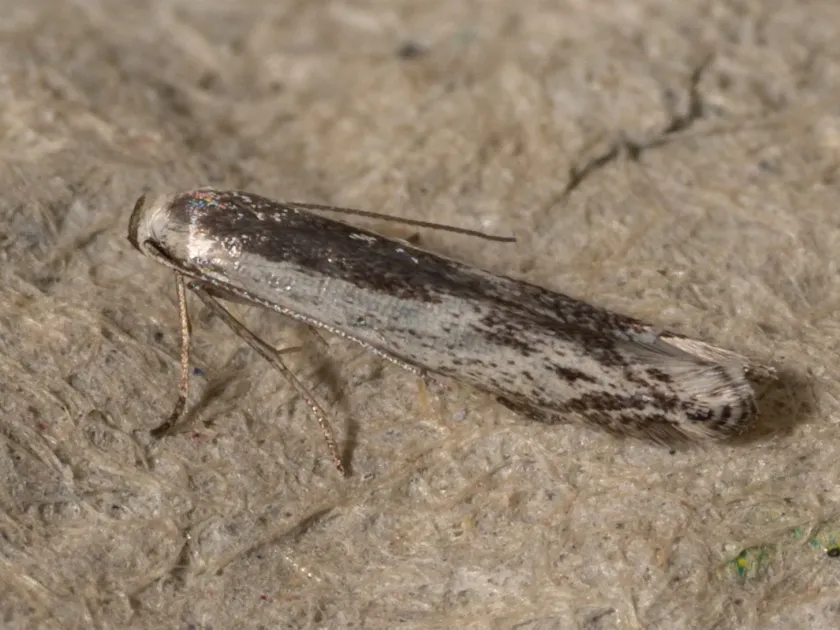
The adult moth has a delicate appearance with narrow wings and a wingspan of approximately 10 to 14 millimeters. Their coloration typically provides camouflage against the foliage of their host plants.
The larvae are specialized to feed internally, which protects them from environmental factors and many natural predators. They possess typical features of gelechiid larvae, well-suited for a concealed lifestyle.
The life cycle involves complete metamorphosis. Each stage is adapted to the phenological development of the host plant, ensuring the larvae have access to nutritious tissues at the right time.
Field identification is often based on the damage caused rather than observing the adults, as the moths are nocturnal and inconspicuous during the day.
What it damages
Thiotricha subocellea primarily infests members of the Lamiaceae family, with Salvia species being the most common hosts. The larvae are significant pests in seed production fields.
The damage is caused by larvae boring into the flower buds and calyces. They consume the internal tissues, which directly prevents the development of viable seeds.
As the larvae mature, they may move between flower buds, increasing the total number of damaged reproductive organs per plant.
This localized damage leads to significant yield losses in aromatic and medicinal plant cultivations, often making the harvest non-viable for seed trade.
Secondary infections, such as mold or bacterial rot, frequently occur in the damaged sites, leading to further decay of the entire inflorescence.
When it appears
The flight period for adult moths occurs during the summer months, aligning with the peak flowering period of their primary host plants.
Winter is spent in the larval stage, usually within a protective cocoon formed inside dried plant debris or within the top layer of the soil.
Pupation takes place in late spring, leading to the emergence of the first generation of adults as temperatures rise sufficiently.
Multiple generations may occur depending on the regional climate and the duration of the host plant's blooming period throughout the growing season.
Monitoring should be conducted during the pre-flowering stage to track the emergence of adults and predict the timing of the next larval hatch.
Signs of infestation
The presence of fine webbing covering the flower buds is one of the most reliable indicators of an active infestation by this moth.
Small exit or entry holes in the calyx, often surrounded by larval frass (excrement), clearly show that a larva has been feeding inside.
Affected inflorescences may show signs of premature wilting or stunting, which differentiates them from healthy, fully developed buds nearby.
Careful dissection of suspected buds usually reveals the larva itself or the cast skin of a pupa after the moth has emerged.
- webbing on flower heads;
- frass accumulation on buds;
- discolored and shriveled flowers;
- hollowed-out seed containers.
Control measures
Cultural control practices, such as deep plowing after harvest, are essential to destroy overwintering larvae and reduce the population for the following year.
Eliminating wild Salvia species near commercial fields helps remove secondary breeding sites and lowers the total pest pressure on the main crop.
Chemical control must be applied strategically during the time when larvae are exposed, before they bore into the flower structures for protection.
Biological control using microbial insecticides can be an effective alternative for managing this pest in sensitive aromatic herb crops.
Regular field scouting and the use of pheromone traps, if specific ones are available, are critical for timely intervention and minimizing crop losses.
Taxonomy
- Latin name
- Thiotricha subocellea
- Order
- Lepidoptera (butterflies)
- Family
- Gelechiidae
- EPPO code
- THITSU
Discussion
No discussions yet — be the first.