
Thiotricha
Thiotricha
Description
How to identify
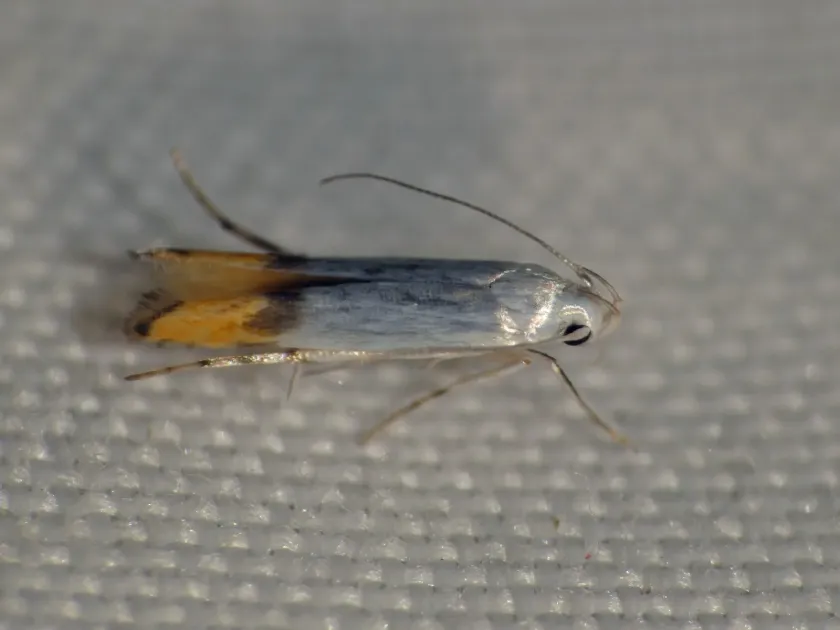
Thiotricha is a genus of moths belonging to the family Gelechiidae, often referred to as gelechiid moths. These insects are characterized by their narrow, fringed wings, which is a classic taxonomic feature of this family.
Adult moths are typically small and possess a cryptic coloration that blends seamlessly with the foliage of their host plants during the day.
The larvae are small, slender caterpillars that frequently display a color profile matching the internal or external tissues of the plants they infest, making them hard to spot.
The life cycle of Thiotricha involves complete metamorphosis, progressing through the egg, larva, pupa, and adult stages within a single season.
Scientific identification of specific species within this genus often requires specialized entomological expertise, focusing on the microscopic examination of the moth's genitalia.
What it damages
Species within the Thiotricha genus are known to infest various plants, impacting both agricultural crops and wild vegetation by feeding on plant tissues.
Larval activity primarily involves mining inside leaves or boring into succulent stems, which disrupts the vascular system and restricts nutrient transport.
This feeding behavior causes the leaves to lose their photosynthetic efficiency, leading to significant chlorosis, stunted growth, and eventual plant decay.
In cases of severe infestation, the cumulative damage can result in the loss of entire plant organs, such as buds or young shoots, reducing overall yields.
The tunnels created by the larvae provide easy access for opportunistic pathogens, leading to secondary bacterial or fungal infections that further damage the plant.
When it appears
The seasonal activity of Thiotricha is largely dictated by temperature and humidity levels, typically peaking during the warmer summer months.
Adult moths emerge and commence mating, subsequently laying eggs on the undersides of leaves or in crevices near the plant's growth points.
Depending on regional climatic conditions, multiple generations may occur within one growing season, creating continuous pressure on agricultural crops.
The pest typically survives the winter in the pupal stage, seeking protection in the soil or within decomposing plant debris until the following spring.
As temperatures rise in the spring, the pupae transform into adult moths, marking the start of the primary infestation cycle for the current season.
Signs of infestation
The most evident signs of Thiotricha infestation are the characteristic mines visible on leaf surfaces, which appear as irregular, brownish tunnels.
Bored stems often show tiny entry or exit holes accompanied by small amounts of larval frass, indicating active feeding inside the stalk.
- Yellowing and browning of leaves.
- Distortion or curling of younger foliage.
- Visible thinning of the plant canopy.
- Premature leaf drop in affected crop sections.
- Stunted plant height compared to healthy specimens.
Plants affected by the pest often show signs of overall weakness and reduced resilience, making them more susceptible to other environmental stressors.
Control measures
Effective management begins with strict crop rotation, which prevents the build-up of Thiotricha populations in the soil over successive seasons.
Sanitation practices, including the removal and destruction of crop residues, significantly reduce the number of overwintering pupae in the field.
Monitoring using pheromone traps is highly recommended to detect the presence of adults early, allowing for timely intervention before large-scale damage occurs.
Biological controls, such as introducing or encouraging natural predators and parasites, can help keep the pest population below the economic threshold.
When chemical intervention is necessary, the use of systemic insecticides applied according to local agricultural guidelines is the most effective approach for control.
Taxonomy
- Latin name
- Thiotricha
- Order
- Lepidoptera (butterflies)
- Family
- Gelechiidae
- EPPO code
- THITSP
Discussion
No discussions yet — be the first.