
Tetragnatha laboriosa
Tetragnatha laboriosa
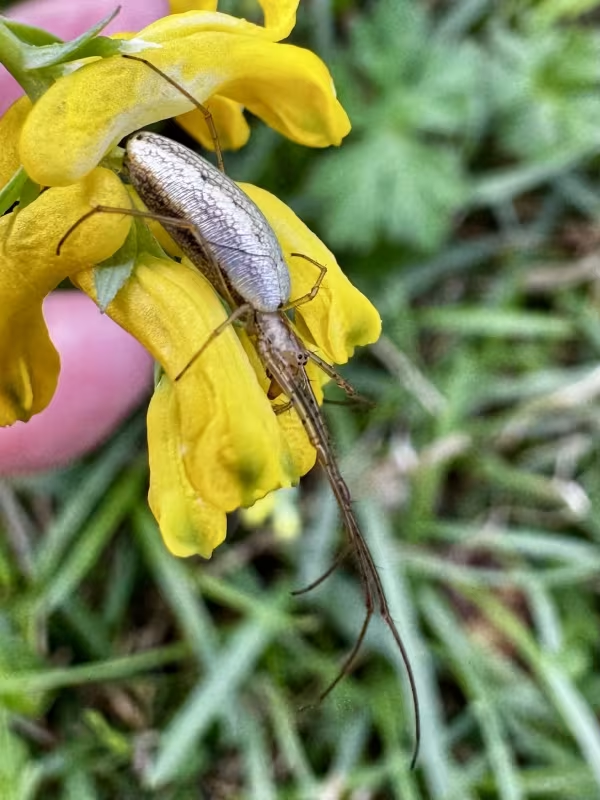
Description
How to identify
Tetragnatha laboriosa is a species of long-jawed orb weaver spider belonging to the Tetragnathidae family, commonly found in agricultural landscapes.
They are characterized by an extremely elongated body and long legs, which enable them to stretch out along stems and grass blades for camouflage.
Adult spiders are typically between 6 and 9 millimeters long, with females generally being slightly larger and more robust than males.
The coloration of these spiders ranges from pale yellow to silver-brown, allowing them to blend seamlessly into the green stalks of cereal crops.
Their chelicerae, or mouthparts, are notably prominent, especially in males, which is a key diagnostic feature for species identification.
What it damages
While often considered beneficial due to their predatory habits, their dense webs can interfere with crop production in certain intensive systems.
The primary concern is the accumulation of silk threads that may entrap moisture and inhibit gas exchange, leading to potential fungal growth.
In high densities, the webbing can physically pull down fragile plants, causing lodging or damage to delicate flowers and ripening grains.
Their activity may also interfere with the harvesting process, as heavy silk accumulations can clog machinery components on smaller farms.
Though they feed on insects, their presence can sometimes create a false perception of pest infestation or deter beneficial pollinators from entering the area.
When it appears
Activity begins in late spring, coinciding with the rise in temperatures and the rapid growth of primary agricultural crops and surrounding weeds.
The population density peaks during mid-summer, when the vegetative canopy provides optimal shelter and hunting grounds for the spiders.
Lifecycle stages involve egg-laying in protective cocoons, which are frequently attached to the undersides of leaves or along secure stems.
As autumn approaches, the spiders become less active, seeking out debris or subterranean shelters to endure the colder winter months.
Overwintering success is largely dependent on the availability of crop residues and non-disturbed soil patches within or near the field perimeter.
Signs of infestation
The most visible sign of their presence is the presence of fine, circular webs strung between the tops of plants, often visible under dewy conditions.
Searching the lower canopy for spiders or their egg sacs is the most effective way to determine the extent of the local population.
Disruption of the plant canopy often causes the spiders to drop rapidly to the ground or hide tightly against the stalks.
Web-induced sticking of leaves and spikes is a clear indicator of long-term spider activity, requiring closer inspection of plant health.
The presence of abandoned, papery egg sacs on stems is a reliable indicator that a significant spider population was present during the season.
Control measures
Field sanitation is the primary control method, specifically the removal of border weeds that provide crucial overwintering habitats for spiders.
Improving field ventilation through proper row spacing helps minimize the humidity required for these spiders to maintain their webs successfully.
Avoiding broad-spectrum insecticides is highly recommended, as they can cause trophic cascades and result in the loss of biological control agents.
Mechanical harvesting and post-harvest soil tillage are effective in destroying overwintering populations and disrupting their life cycle.
- Maintain proper plant spacing.
- Remove weeds at field edges.
- Monitor for web density.
- Use integrated pest management practices.
Taxonomy
- Latin name
- Tetragnatha laboriosa
- Family
- Tetragnathidae
- EPPO code
- TETGLA
Discussion
No discussions yet — be the first.