
Tephrochlamys rufiventris
Tephrochlamys rufiventris
Description
How to identify
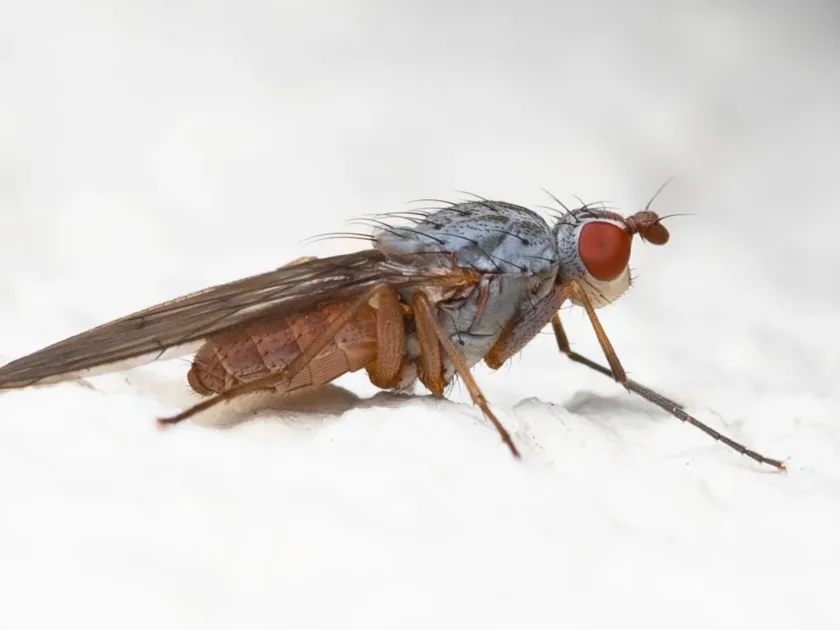
Tephrochlamys rufiventris is a fly species belonging to the Heleomyzidae family within the order Diptera. The species is characterized by a distinctive reddish-brown abdomen, which serves as a key feature for field identification.
The adults are small flies with functional wings, allowing them to migrate between fields and settle on host plants effectively. Their bodies are covered in fine setae, typical of many species within the Heleomyzidae family.
The larvae are typically creamy or whitish in color, legless, and possess a chewing mouthpart. Their morphological structure is adapted for feeding within the decaying or stressed tissues of vegetable plants.
This species thrives in environments with high humidity and abundant organic matter. The flies are highly selective when choosing sites for oviposition, preferring damp soil near the roots of vulnerable plants.
The life cycle follows complete metamorphosis, including egg, larval, pupal, and adult stages. Depending on regional climatic patterns, the number of generations per year can vary significantly.
What it damages
These pests primarily target a wide range of vegetable crops, including members of the Solanaceae and Brassicaceae families. Greenhouse environments are particularly prone to infestation due to the controlled moisture levels.
The larvae primarily damage the root system and the stem base. By tunneling into these tissues, they disrupt the plant's vascular system, hindering the uptake of nutrients and water from the soil.
Young seedlings are highly vulnerable; infestation during the establishment phase often leads to total crop failure, as the plants lack the reserves necessary for recovery from larval feeding.
If fruits come into contact with the soil, larvae may bore into them, leading to internal damage and promoting the development of secondary rot caused by opportunistic fungi or bacteria.
The severity of the damage is often exacerbated by poor field hygiene and high weed density, which provide perfect hiding spots and additional food sources for the larvae.
When it appears
Adult flies emerge from overwintering sites in the soil as soon as spring temperatures reach a threshold that supports insect activity, typically starting in early to mid-spring.
Peak population density usually occurs during mid-summer. The warmer weather accelerates the larval development cycle, leading to increased pressure on the standing vegetable crops during their growth phase.
Multiple generations can be produced within a single season, creating a sustained threat throughout the vegetative period. Each generation continues to expand the local population if left unchecked.
With the onset of autumn and cooler temperatures, the adults gradually retreat. They seek shelter in organic debris or beneath the soil surface to survive the winter conditions in a state of diapause.
Early season monitoring is crucial for effective control. Detecting the first emergence of adults allows farmers to implement protective measures before significant egg-laying occurs.
Signs of infestation
One of the earliest indicators of an infestation is the drooping or wilting of seedlings during the brightest part of the day, which does not resolve even after adequate irrigation.
Visual inspection of the root collar often reveals larval tunnels or the presence of frass. These galleries are characteristic signs that the root integrity has been compromised by Tephrochlamys rufiventris.
Plants affected by larval feeding exhibit stunted growth and yellowing of the lower foliage, reflecting the underlying systemic stress caused by the damage to the root system.
The base of the stem may become soft, mushy, or discolored. In advanced cases, the stem may easily detach from the root system if there is any mechanical pressure applied to the plant.
The presence of numerous small flies hovering near the base of crops during the early morning hours is a strong signal that the population density is increasing and action is needed.
Control measures
Crop rotation is a fundamental management strategy. By alternating host plants with non-host crops, the life cycle of the pest is interrupted, making it difficult for the population to establish.
Deep autumn plowing is highly effective in disrupting the overwintering pupae. Bringing pupae to the surface exposes them to environmental stressors and natural predators, significantly reducing the following year's pressure.
Strict field sanitation, including the immediate removal and destruction of crop residues, removes both food and breeding sites, effectively limiting the population growth of the flies.
Biological control, including the application of entomopathogenic fungi or beneficial nematodes, can be used to manage larval populations in the soil without negative impacts on non-target species.
- Installing fine mesh screens in greenhouses
- Maintaining optimal irrigation to prevent excessive soil moisture
- Using high-quality, pest-free seedlings
- Applying selective insecticides at the Economic Injury Level (EIL)
Taxonomy
- Latin name
- Tephrochlamys rufiventris
- Order
- Diptera (flies)
- Family
- Heleomyzidae
- EPPO code
- TPHCRU
Discussion
No discussions yet — be the first.