
Suillia fly
Suillia
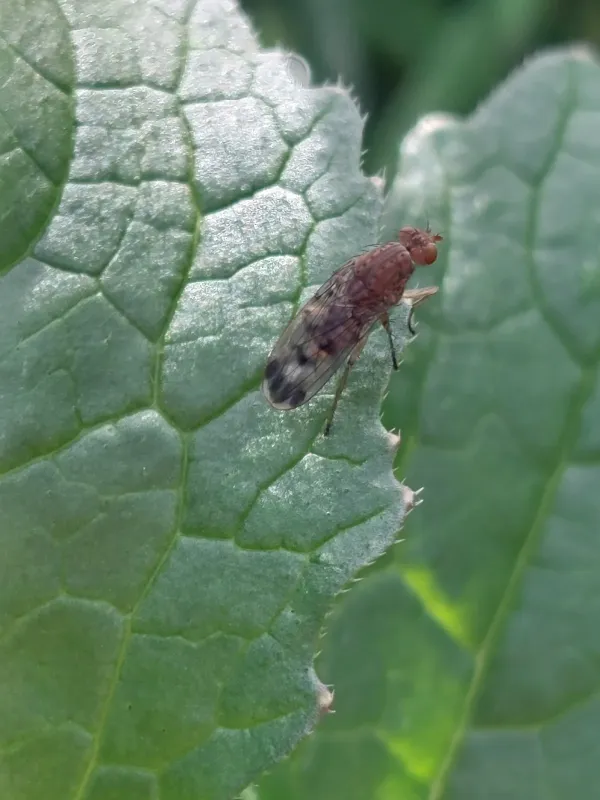
Description
How to identify
The Suillia fly belongs to the Heleomyzidae family. These insects are typically small, brownish or yellowish flies, often identified by specific chaetotaxy (the pattern of bristles) on their bodies.
They are primarily crepuscular or nocturnal, hiding in cool, damp, and shaded environments during the heat of the day. This behavior makes them difficult to spot without specialized traps.
The larvae are cylindrical and creamy-white, characterized by a well-developed head capsule. They are often found in decaying organic matter, fungi, or within the succulent tissues of host plants.
The life cycle of the Suillia fly is highly dependent on humidity and soil moisture. Stable temperatures allow for continuous generations, especially in greenhouse conditions.
For accurate identification in agricultural settings, yellow sticky traps are highly recommended, as they allow for the monitoring of adult populations throughout the growing season.
What it damages
The larvae of the Suillia fly are the primary damaging stage, as they bore into the stems, bulbs, and roots of various vegetable crops, especially onions and garlic.
By tunneling through the plant tissues, the larvae disrupt the water and nutrient transport system, leading to systemic weakness and stunted growth of the host plant.
The wounds created by the feeding larvae often serve as entry points for bacterial and fungal pathogens, leading to secondary rot that can destroy the entire plant.
Damage is most severe during periods of high precipitation and high soil moisture, which soften plant tissues and make them more susceptible to infestation.
Economic losses can be significant, particularly in young crops where the loss of the central stem or root system results in total mortality of the plant.
When it appears
Adult Suillia flies typically emerge in early spring, coinciding with the beginning of the planting season and the availability of young, vulnerable seedlings.
The pest produces multiple generations throughout the spring and summer. The intensity of infestation is usually correlated with rainy weather and the presence of rotting vegetation.
Fall populations are often observed feeding on harvest remnants or decaying crops left in the field, where they eventually prepare for overwintering.
Overwintering occurs primarily in the pupal stage, buried within the soil or protected by debris, allowing the population to survive harsh winter temperatures.
Strategic monitoring is crucial, as the timing of control measures must be aligned with the peak flight activity of adults to prevent egg-laying on the crop.
Signs of infestation
The initial signs of an infestation include the yellowing of leaf tips and a gradual wilting of the entire foliage, which is indicative of root or stem damage.
A closer inspection of the base of the plant often reveals entry holes or tunnel entrances. In many cases, the affected area will feel soft or spongy due to larval feeding.
A noticeable odor of decay often accompanies heavy infestations, as bacterial infections follow the larvae's feeding activity within the plant tissues.
- Yellowing and wilting of plant tops.
- Presence of creamy larvae in the bulbs or stems.
- Softening of plant tissues at the base.
- Stunted growth compared to healthy plants.
Visual presence of the flies on the crop during dusk or dawn is a clear indicator that preventive measures should be implemented immediately.
Control measures
Effective control starts with proper crop rotation, ensuring that susceptible vegetables are not planted in the same location for at least three seasons to break the pest cycle.
Deep autumn tillage is essential, as it exposes the overwintering pupae to the surface, significantly reducing the population density for the following year.
Insecticide applications should target the adult stage to prevent egg-laying. Always select products based on regional registration and observe pre-harvest intervals.
The use of physical barriers, such as agricultural fleece or fine netting, can be a highly effective non-chemical method to protect young crops from colonization.
Maintaining field hygiene, including the prompt removal and destruction of crop waste, is vital to eliminate breeding sites and minimize the overall pest pressure.
Taxonomy
- Latin name
- Suillia
- Order
- Diptera (flies)
- Family
- Heleomyzidae
- EPPO code
- SUIISP
Discussion
No discussions yet — be the first.