
Telephila
Telephila
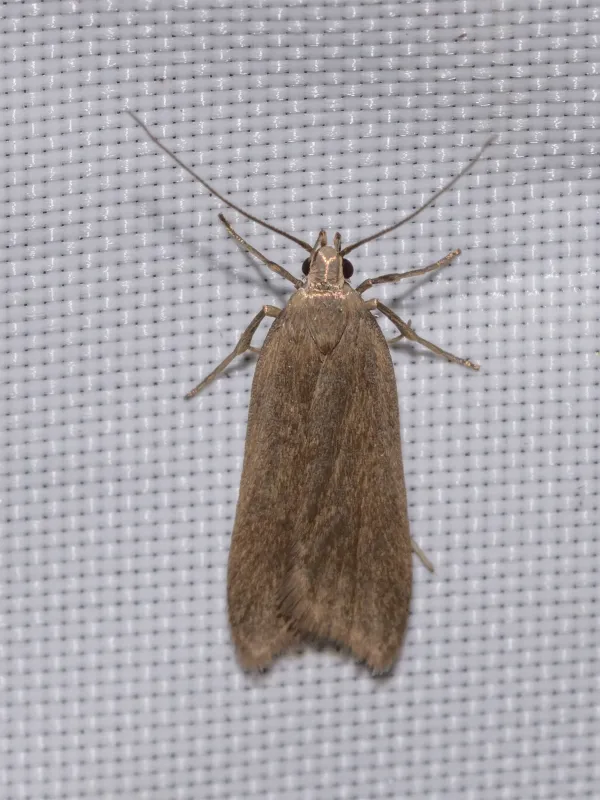
Description
How to identify
Telephila belongs to the order Lepidoptera, family Gelechiidae (twirler moths). This small pest is characterized by its specific morphological traits and a complex developmental cycle that allows it to thrive in various agricultural settings.
Adult moths are typically small with narrow, fringed wings, exhibiting cryptic coloration that provides excellent camouflage against leaves and stems. They are primarily active during crepuscular hours, making them difficult to spot during daylight.
The larvae, or caterpillars, are the most destructive stage of the pest. They possess a robust chewing mouthpart, enabling them to consume plant tissues rapidly. Their small size allows them to hide effectively within the folded leaves of host plants.
The biological cycle is deeply influenced by regional climate conditions. Winter survival usually occurs in the pupal stage, buried within the soil or protected by plant debris, which acts as a thermal buffer against harsh conditions.
Reproduction is highly efficient, often allowing the population to surge rapidly when environmental conditions, such as temperature and humidity, remain favorable for several consecutive weeks during the growing season.
What it damages
Telephila primarily targets various solanaceous crops and certain wild host plants. In agricultural fields, it is known to cause damage to both leafy vegetables and developing fruit, depending on the specific host.
The larvae feed on the parenchyma of leaves, creating winding mines that disrupt the photosynthetic capacity of the plant. This loss of photosynthetic area severely stresses the host and limits its overall growth potential.
Damage often manifests as leaf curling or distortion. When the infestation is heavy, the plant may lose significant foliage, which leads to premature wilting and a lack of vigor, especially during the critical stages of flowering and fruit set.
Furthermore, the physical damage caused by larval feeding creates entry points for secondary infections. Pathogens, such as fungi and bacteria, easily invade the plant through these wounds, exacerbating the damage done by the pest.
Economic losses arise from both reduced yield quantity and compromised quality. The visual damage to the produce often makes it unfit for the market, requiring stricter quality control and frequent sorting after harvest.
Signs of infestation
The earliest signs of Telephila infestation are the presence of small, light-colored dots or meandering lines on the leaves, which are the larval mines. These marks are clear indicators of early-stage infestation.
A hallmark sign of this pest is the presence of silk-webbed leaf rolls. The larvae weave silk to bind leaf margins together, creating protected shelters where they feed and undergo development away from predators.
Frass, or insect droppings, is frequently visible on the undersides of leaves or near the feeding sites. These small, dark pellets are easy to spot once the observer knows where to look within the canopy.
Plants showing signs of uncharacteristic yellowing, drooping, or localized tissue necrosis should be inspected immediately. Disturbance of the foliage often forces the adult moths to take flight, which is another useful monitoring sign.
Widespread leaf curling and premature leaf drop across a field suggest a high infestation level. Upon closer inspection, the leaves will reveal the presence of larvae inside the protected rolled structures.
Control measures
Cultural practices are the first line of defense. Proper crop rotation and the thorough removal of post-harvest debris are essential for reducing the pupal population that remains in the soil during the off-season.
Biological control methods involve fostering natural predators and parasitoids that target the larval stage of Telephila. This approach is highly effective in integrated pest management programs to reduce reliance on chemicals.
Chemical control should be implemented based on economic injury thresholds. Targeted insecticides, when applied correctly, can curb population spikes without causing long-term damage to the surrounding ecosystem.
Monitoring the flight activity of adult moths using pheromone traps is a critical step for timing insecticide applications accurately. This ensures that the treatment reaches the larvae during their most vulnerable developmental stages.
- Maintain field hygiene by removing weeds that serve as alternate hosts.
- Use pheromone traps to monitor and manage adult populations.
- Apply biological insecticides targeting early larval instars.
- Encourage beneficial insects through sustainable farming practices.
Taxonomy
- Latin name
- Telephila
- Order
- Lepidoptera (butterflies)
- Family
- Gelechiidae
- EPPO code
- TLEPSP
Discussion
No discussions yet — be the first.