
Teleiopsis moth
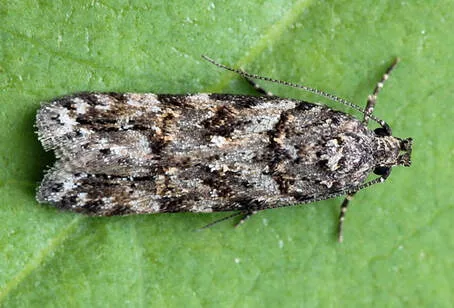
Teleiopsis diffinis
Description
How to identify
The Teleiopsis moth (Teleiopsis diffinis) belongs to the Gelechiidae family, a group of insects known as twirler moths. It is characterized by specific morphological features that distinguish it from other related lepidopteran species.
Adult moths are generally small with cryptic coloration, enabling them to blend seamlessly into their natural habitat on host plants, which makes them quite elusive during field inspections.
The life cycle encompasses a full metamorphosis, including eggs, larvae, pupae, and adults. Each stage is adapted to survive specific conditions in the temperate climate zones where the species thrives.
Proper identification usually requires microscopic analysis of the male or female genitalia in adult moths, or observing the specific mining patterns produced by the larvae.
Field agronomists should be aware of this species to differentiate it from other leaf-mining pests that share similar habitats and host plants in agricultural landscapes.
What it damages
The larvae of this moth primarily feed on plants within the Caryophyllaceae family and certain other weed species, including docks (Rumex), which can be problematic in field edges.
The primary damage occurs when larvae tunnel into the leaf tissues, creating mines that destroy the internal structure of the leaf, which directly impairs the plant's photosynthetic ability.
High infestation levels lead to stunted growth, reduced leaf area, and in some cases, the total loss of vigor in younger plants, negatively affecting yield quality.
Secondary infections, such as fungal or bacterial rots, often enter the plant through the damage caused by the larvae, leading to further necrosis of the plant tissues.
While the economic impact on large-scale field crops is moderate, the damage can be significant in high-value vegetable production if left uncontrolled during the early stages of development.
When it appears
The activity of the Teleiopsis moth is closely tied to seasonal temperature variations, with most adults emerging during late spring and summer months.
The larvae are most active during the peak vegetative phase of the host plants, ensuring they have a constant supply of nutrients required for rapid development.
Overwintering typically occurs in the pupal stage, protected within the soil or deep within organic plant residues, which ensures survival against winter frosts.
The timing of each generation is highly dependent on local climatic conditions, particularly soil moisture and ambient temperatures during the early spring season.
Monitoring the flight patterns of adult moths helps in predicting the arrival of the next generation and timing necessary interventions effectively.
Signs of infestation
The most visible sign of infestation is the appearance of leaf mines, which often manifest as serpentine or blotch-like patterns within the leaf surface.
Larvae frequently web leaf margins together, creating protective shelters that look like curled or shriveled leaves on the upper parts of the plant.
Yellowing of the foliage, especially in areas where mines are concentrated, is a clear indicator that the plant's metabolic processes are being disturbed by the feeding larvae.
Evidence of larval frass (droppings) inside the mines or within the webbed leaf structures is a definitive sign of active infestation by this insect species.
- Serpentine leaf mines
- Webbed and distorted leaves
- Stunted shoot tips
- Presence of larval frass
Control measures
Effective pest management relies on a combination of cultural practices, including the removal of weeds that serve as alternative hosts for the moth.
Mechanical tillage in the autumn is crucial for disrupting the pupal stage in the soil, which significantly reduces the population pressure for the following spring.
Biological control agents, such as specific bacterial or fungal insecticides, are recommended for early larval stages to maintain ecological balance in the field.
Chemical control should be employed only when monitoring reveals that the pest population has crossed the economic injury threshold for the crop.
Pheromone trapping is a highly efficient tool for scouting, allowing agronomists to determine the exact timing for insecticide application to maximize control efficiency.
Taxonomy
- Latin name
- Teleiopsis diffinis
- Order
- Lepidoptera (butterflies)
- Family
- Gelechiidae
- EPPO code
- TLPSDI
Discussion
No discussions yet — be the first.