
Teleiopsis
Teleiopsis
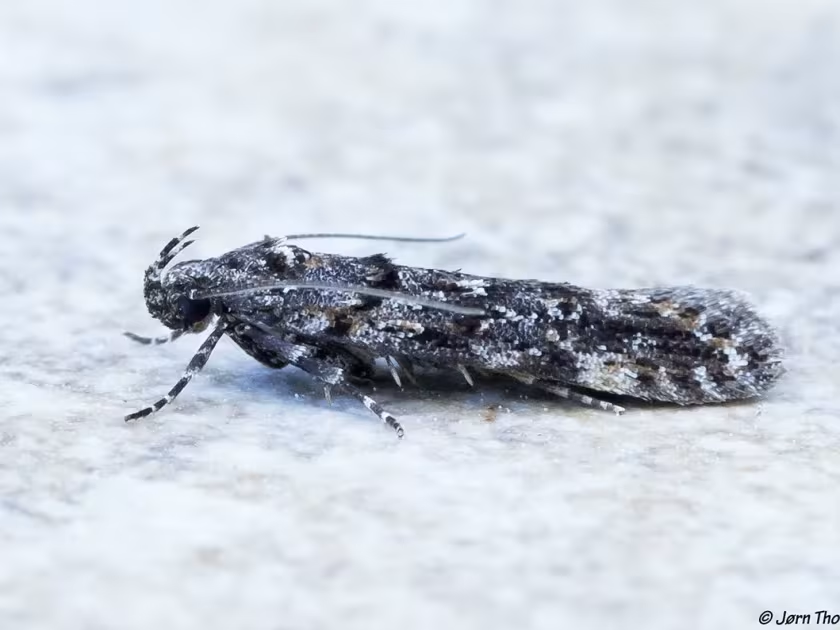
Description
How to identify
Teleiopsis is a genus of moths belonging to the family Gelechiidae. These are small moths characterized by their secretive behavior and camouflage, making them difficult to spot in agricultural fields.
Adult moths have narrow, fringed wings, which is a distinctive morphological feature of the family Gelechiidae. Their coloration is typically drab, ranging from gray to brown, providing effective crypsis.
The larvae are typically mobile and possess a well-developed chewing mouthpart. They are known for their leaf-rolling or leaf-tying behavior, which helps them stay protected while feeding.
Taxonomically, the genus includes several species that are ecologically similar. Identification usually requires careful examination of adult wing patterns or larval chaetotaxy under magnification.
Field identification is best accomplished through regular scouting, particularly by looking for damaged leaf tissues or using pheromone traps to monitor adult flight activity.
What it damages
Teleiopsis species are known to feed primarily on plants within the Fabaceae family. They are considered pests of various legumes, including soybean and several wild clover species.
The larvae feed on both vegetative and generative plant organs. Young larvae often mine the leaves, while older larvae prefer to tie leaves together or bore into developing pods.
Defoliation caused by the larvae reduces the photosynthetic capacity of the plant, which negatively impacts biomass production and overall crop vigor throughout the growing season.
Direct damage to buds, flowers, and developing seeds significantly reduces yield and lowers the commercial value of the harvest, as pod integrity is compromised.
Feeding sites often serve as entry points for secondary pathogens, such as fungi and bacteria, which can lead to further tissue decay and decreased quality of the agricultural product.
When it appears
The life cycle of Teleiopsis is closely synchronized with the phenology of its host plants. Depending on the geographical region, these insects can complete one or more generations annually.
The overwintering stage usually consists of mature larvae or pupae, which seek shelter in crop residues, the soil surface, or crevices in bark to survive the winter cold.
Adult emergence typically occurs in the spring, coinciding with the initial growth stages of host plants. The timing of this emergence is strongly correlated with temperature accumulation.
Peak activity and subsequent damage are most frequently observed during the summer months, when the larvae are actively feeding on the developing foliage and pods of the host plants.
By autumn, as the host plants mature or senesce, the insects prepare for diapause. This transition is triggered by changes in day length and ambient temperature, ensuring survival for the next season.
Signs of infestation
Early signs of an infestation include the presence of small, irregular leaf mines and the appearance of 'windows' on the leaves caused by young larvae grazing the tissue.
As larvae grow, they tie leaflets together with silk, creating protective nests. These shelters are highly indicative of the presence of gelechiid moth larvae within the plant canopy.
Flower and pod drop are critical symptoms of late-stage infestation. If buds appear withered or pods show small exit or entry holes, Teleiopsis activity should be suspected.
Frass (larval excrement) is often found inside the leaf nests or near the entry points of bored pods, serving as a clear indicator of active feeding by the larvae.
- Rolled or tied leaves with visible webbing.
- Small, circular boreholes on legume pods.
- Premature yellowing and wilting of top-tier leaves.
Control measures
Effective management begins with robust cultural practices, such as crop rotation and the thorough incorporation of crop residues into the soil to destroy overwintering larvae.
Biological control agents, including parasitic wasps and entomopathogenic bacteria like Bacillus thuringiensis, are highly recommended to keep populations below economic injury levels.
Monitoring using pheromone traps is essential for timing insecticide applications accurately, ensuring that treatments are targeted during the most susceptible larval stages.
If chemical control is necessary, systemic insecticides applied during the peak of egg-hatching or early larval activity are the most effective way to protect yield.
Maintaining field margins free of alternative host plants, such as wild legumes, can also help reduce the initial pest pressure on the primary crop during the early growing season.
Taxonomy
- Latin name
- Teleiopsis
- Order
- Lepidoptera (butterflies)
- Family
- Gelechiidae
- EPPO code
- TLPSSP
Discussion
No discussions yet — be the first.