
Taleporia
Taleporia
Description
How to identify
Taleporia is a genus of moths belonging to the Psychidae family, commonly known as bagworms. The most distinct biological feature of these insects is the protective case constructed by larvae, composed of silk, sand, and bark fragments.
The adult form displays extreme sexual dimorphism. Males are winged and capable of flight to seek mates, while females are often flightless and remain near their larval development sites.
The larvae are small, caterpillar-like organisms that live entirely within their cases, which they carry around as they feed. This behavior provides them with excellent protection against predators and harsh environmental conditions.
Their life cycle consists of egg, larva, pupa, and adult stages. Most species complete one generation per year, making the timing of monitoring activities crucial for effective management.
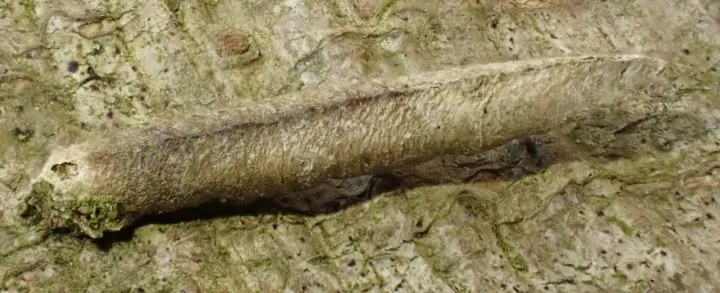
Identifying Taleporia is primarily achieved by observing the unique shape of the cases, which are typically spindle-shaped and firmly anchored to the tree bark during the pupation period.
What it damages
Taleporia primarily damages trees by feeding on lichens and algae that grow on the bark. While they rarely consume the living tissue of the tree, their feeding behavior creates open patches on the bark surface.
These exposed areas become susceptible to secondary infections by fungal pathogens and bacteria. Furthermore, the removal of the protective lichen layer can reduce the tree's natural resilience against environmental stressors.
Fruit trees such as apples, pears, and plums are frequently inhabited by these pests, especially in older, neglected orchards where bark texture is rough and provides ample food sources.
Heavy infestations can lead to a general decline in the tree's vitality. While the pest is not usually lethal, it weakens the plant, making it more vulnerable to other primary pests and diseases.
The presence of large colonies can be unsightly and may hinder the proper functioning of the bark's protective barrier, particularly in younger trees or sensitive ornamental species.
When it appears
Larval activity typically peaks in early spring as temperatures rise, signaling the end of the winter dormancy period. This is when the larvae begin moving to find fresh food supplies.
The adult flight phase usually occurs during mid-summer, specifically in June and July. During this time, mating occurs and eggs are laid to begin the cycle for the following year.
Winter is spent in the larval stage, with the insects remaining protected inside their cases attached securely to the bark of the host tree, often tucked into deep crevices.
Pupation takes place in late spring, as the larvae fix their cases firmly to the substrate and undergo metamorphosis, remaining immobile for several weeks until adulthood.
Ongoing monitoring is recommended from March through May to detect the emergence of the larvae and prevent them from reaching high population densities.
Signs of infestation
The most visible sign of an infestation is the presence of small, debris-covered cases moving across the surface of the bark, which can often be mistaken for loose pieces of bark.
Small, cleared spots on the tree trunk where lichens have been completely stripped away indicate active feeding by larvae. These patches stand out clearly against the rest of the lichen-covered bark.
Silken threads left behind by the caterpillars are another indication, used both for movement and for anchoring their cases to the tree during periods of rest or pupation.
The presence of empty pupal exuviae protruding from the cases at the end of the summer is a definitive sign that the population has successfully completed its reproductive cycle.
In winter, look for clusters of dormant cases tucked into the bark fissures, which confirms the location of the overwintering population.
Control measures
Mechanical cleaning of the tree trunk, specifically removing loose bark and lichen, is the most sustainable and effective method for controlling Taleporia populations.
Whitewashing tree trunks with a mixture of lime and copper-based fungicides serves as a dual-purpose control measure, discouraging feeding and sterilizing the bark surface.
In cases of severe infestation, targeted insecticide applications may be necessary, timed carefully to coincide with the early larval emergence period in early spring.
Biological control agents, including specific entomopathogenic fungi, can be utilized in integrated pest management programs to lower population levels without chemical input.
- Regular sanitation pruning to remove heavily infested branches.
- Monitoring with bark traps to identify peak larval movement.
- Maintaining good tree health through proper fertilization and watering.
Taxonomy
- Latin name
- Taleporia
- Order
- Lepidoptera (butterflies)
- Family
- Psychidae
- EPPO code
- TALESP
Discussion
No discussions yet — be the first.