
Bagworm moth of the genus Clania
Clania
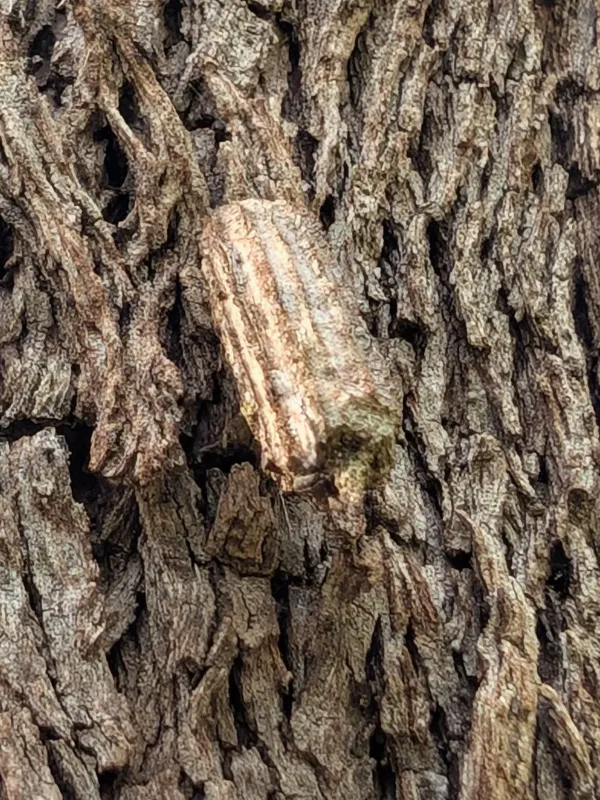
Description
How to identify
Bagworms of the genus Clania belong to the family Psychidae, order Lepidoptera. They are named for the protective cases (bags) that the larvae construct from silk and bits of plant material like leaves, twigs, and bark.
These insects exhibit extreme sexual dimorphism. Adult males are winged moths capable of flight, whereas females are wingless, maggot-like creatures that remain inside their bags for their entire lives, never venturing out even for egg-laying.
The larvae live a concealed existence, carrying their protective case wherever they go. This case serves as both a home and a shield, protecting the larva from environmental stressors and many natural predators.
Larvae are typically dark in color with a hardened head and thoracic region, specifically adapted to support and maneuver their heavy cases along branches. The size of the bag varies significantly depending on the species and the age of the caterpillar.
The life cycle involves complete metamorphosis, consisting of the egg, larva, pupa, and adult stages. Depending on the climate, the species usually completes one generation per year, though this can fluctuate based on temperature and host availability.
What it damages
Clania bagworms are polyphagous, meaning they feed on a wide variety of plants, including forest trees, fruit orchards, shrubs, and ornamental plants. They are particularly known for damaging tea plantations in various parts of the world.
Young trees and seedlings are at the highest risk. Heavy defoliation by larvae can significantly impair photosynthesis, weakening the tree's overall health and making it susceptible to secondary infections or other pests.
In addition to leaves, larvae may consume the soft bark of young shoots, leading to branch dieback and stunted growth. This damage is particularly detrimental to high-value nursery stock and young fruit trees.
In commercial settings, such as tea gardens, high infestation levels can cause rapid and severe defoliation. This not only reduces the photosynthetic capacity of the plants but also degrades the quality of the harvestable leaves.
Ornamental plantings often lose their aesthetic value due to the presence of these conspicuous bags and the ragged appearance caused by heavy feeding. Managing them is essential to maintain the visual appeal of parks and gardens.
When it appears
The activity typically begins in early spring when larvae emerge from their overwintering stage and start feeding. The most intensive feeding period usually occurs during the height of the growing season when the larvae are rapidly gaining size.
Pupation takes place within the protective bag, which the larva secures firmly to a branch using durable silk threads. The flight period of the winged adult males generally occurs in late summer or early autumn.
Following mating, the female deposits her eggs within her own bag. The emergence of the next generation of larvae often coincides with the availability of lush, young foliage, providing them with a steady food source.
Overwintering occurs in the larval stage. They remain safely tucked inside their protective cases, often attached to the twigs or sheltered in bark crevices, which allows them to withstand cold winter temperatures effectively.
Early detection is crucial. Monitoring the canopy during the morning or evening, when larvae may be more active outside their bags, increases the chances of identifying and managing infestations before they reach critical levels.
Signs of infestation
The most distinctive sign of a Clania infestation is the presence of strange, debris-like objects hanging from branches. These bags often look like dried leaf litter or small twigs and remain stationary for long periods.
Upon closer inspection, one might observe the bags moving slowly across the foliage. Feeding damage presents as small holes or "windows" in the leaf tissue, where the larva has eaten the internal layers while leaving the outer epidermis intact.
Signs of frass (larval droppings) may be visible on leaves beneath the feeding site. Additionally, thin strands of silk used to anchor the bag to the plant surface are often visible near the feeding area.
A severely infested plant will appear thin and ragged. If numerous cases are found, it indicates a high population density that could lead to significant damage if left unchecked.
Because the larvae are well-camouflaged, they are often overlooked until the damage becomes obvious. Regularly scanning the tree crown for atypical structural growths is a vital part of effective monitoring.
Control measures
For smaller infestations, manual removal and destruction of the bags is the most effective and eco-friendly method. Because the larvae remain attached to the plant, they can be easily picked off and disposed of.
Biological control using Bacillus thuringiensis (Bt)-based insecticides is highly recommended. These sprays are effective against young larvae and have minimal impact on non-target organisms, making them a preferred option in integrated pest management.
Chemical control should be timed to target early larval stages when they are most active. Systemic insecticides can be effective, as the larvae are exposed to the poison while consuming the treated plant tissue.
Sanitation practices, such as pruning heavily infested branches and removing plant debris during the dormant season, help reduce the population for the next year. Keeping plants healthy through proper fertilization and watering increases their resilience.
Promoting natural predators, such as predatory wasps and parasitic flies, is a sound long-term strategy. Maintaining a diverse environment in and around the plantation helps keep bagworm populations below the economic injury level.
Taxonomy
- Latin name
- Clania
- Order
- Lepidoptera (butterflies)
- Family
- Psychidae
- EPPO code
- CLANSP
Discussion
No discussions yet — be the first.